Turkey, Syria & Jordan reveal plan for rail corridor to cut out Israel, reroute trade from Gulf to Europe
The revived Hejaz Railway would form a counter to proposed IMEC link through Haifa port



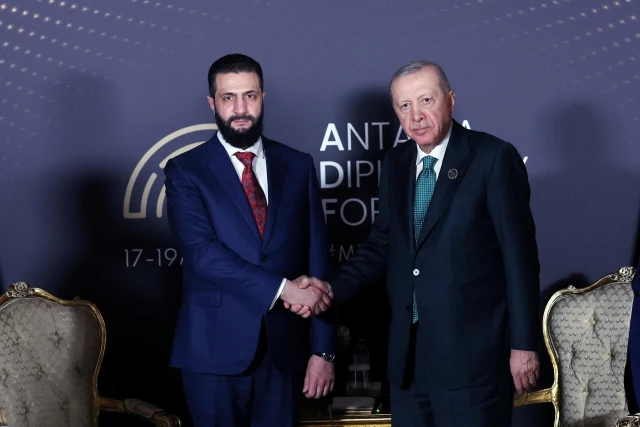
Turkey, Syria, and Jordan are advancing a project to modernize their railway systems, aiming to restore the old Ottoman Hejaz Railway and position the countries as key players in a possible regional transport hub connecting the Gulf states to Europe.
Earlier this month, the three nations signed a trilateral memorandum of understanding on transport cooperation to strengthen connectivity and boost trade among them. That memorandum includes modernizing road and rail infrastructure between the countries.
Turkish Transport and Infrastructure Minister Abdulkadir Uraloğlu said the agreement amounts to a restoration of the Ottoman Hejaz Railway, originally built by Sultan Abdulhamid II, linking Istanbul with Mecca in Saudi Arabia, thereby allowing easier access for pilgrims to the Islamic holy city.
"This is not merely a technical meeting on transport, but a strong declaration of will for the welfare of our peoples and regional development,” Uraloğlu said at the time of the signing.
The modern revitalized railway is expected to also connect to Saudi Arabia, enabling goods to be transported from the Persian Gulf to Europe over land, thus avoiding the Strait of Hormuz, which has become a contested area after the start of the U.S. and Israeli war against Iran.
The railway network would run through Jordan, into Syria, and then cross into Turkey, creating a land bridge for trade between the Persian Gulf and the Mediterranean Sea. The project further demonstrates Turkey’s efforts to establish itself as a key player in the Middle East, both economically and through its security agreements.
Turkey also hopes to position itself as a “safe haven” for the flow of goods and energy products. This project joins other efforts by Turkey to become a hub for the transfer of oil and natural gas from Iraq and the Caspian Sea to Europe and Western markets, creating what Turkey calls the Middle Corridor.
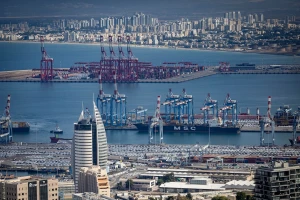
The move comes amid a broader effort to reorganize the flow of goods across the region. Other reports indicated that some Gulf countries are considering constructing new oil pipelines that could transport crude oil to the West through Haifa, thereby bypassing the Strait of Hormuz.
Saudi Arabia has already proved the wisdom of having an overland pipeline that avoids the strait, as its East-West pipeline has enabled the country to maintain a high level of oil exports despite the Iranian closure of the strait.
The proposed Gulf pipelines to Haifa would also advance the U.S.-backed “India–Middle East–Europe Economic Corridor (IMEC) initiative, which envisions connecting the Indian Ocean to the Mediterranean Sea through the Middle East and Israel.
At the end of March, Prime Minister Benjamin Netanyahu said the best solution for “bypassing Iran's geographic choke point” remains a pipeline to Israeli ports.
Speaking about the Iranian closure of the Strait of Hormuz, Netanyahu told Newsmax, “Long-term solutions include rerouting energy pipelines westward, across Saudi Arabia to the Red Sea and Mediterranean, bypassing Iran's geographic choke point.”
Turkish President Recep Tayyip Erdoğan opposes the IMEC project and is pushing for alternative projects in Turkey.
You might also like to read this: