The Trump-Netanyahu divide – keeping the deal alive vs keeping Israelis alive






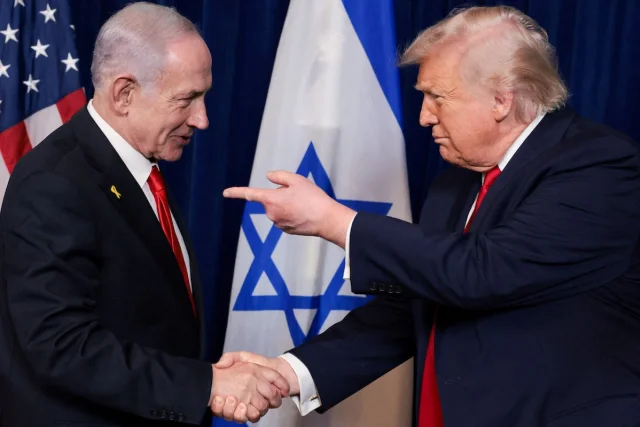
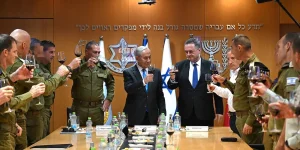
U.S. President Donald Trump and Israeli Prime Minister Benjamin Netanyahu have stood shoulder to shoulder as both America and Israel have pummeled Iran during Operation Epic Fury. Before that, it was taking out nuclear sites as part of Operation Midnight Hammer back last July. But all along, there’s been some underlying tension between Trump and Netanyahu (Bibi) that, at times, has bubbled to the surface.
Let’s start with this: Trump has arguably been the most pro-Israel president in American history. Besides coming alongside Israel militarily, he’s also moved the U.S. Embassy to Jerusalem, recognized Israeli sovereignty over the Golan Heights, brokered the Abraham Accords and cut funding to Palestinian entities that Washington believed were acting against American interests. The list continues – and it’s long.
Yet despite all of that, even the strongest relationships experience friction. The latest example came this week.
According to Axios, Trump and Netanyahu had what was described as a heated phone call after Israeli military actions inside Lebanon, specifically Beirut, threatened to complicate ongoing diplomatic efforts involving a deal with Iran. Multiple sources told Axios that Trump was furious and used vulgar language, accusing Netanyahu of creating political and diplomatic problems. One source described it as one of the most contentious conversations between the two leaders since Trump returned to office.
The disagreement reportedly centered on a familiar issue: Trump wanted to preserve a possible diplomatic opening while Netanyahu wanted maximum military pressure against Israel’s enemies. Two leaders with two slightly different priorities.
If there has been one consistent theme throughout Trump’s political career, it’s his belief that everything revolves around leverage and negotiation. Trump wants the deal. He wants to keep the deal alive. He wants every possible negotiating tool available until the final moment. That explains why, even during periods of intense military conflict, Trump has repeatedly shown a willingness to leave the door open for diplomacy.
Just a few weeks ago, Axios reported another difficult phone call between Trump and Netanyahu over a proposed Iran peace framework. According to sources, the two leaders strongly disagreed over whether diplomacy should continue. One source described Netanyahu’s reaction to the call by saying that his “hair was on fire.”
Trump believed negotiations deserved additional time. Netanyahu was far more skeptical. It’s a tension that’s real.
For Netanyahu, while diplomacy is important, survival comes first. Every day. That comes from living in an area where Iran, Hezbollah, Hamas and other terrorist organizations have openly declared their desire to destroy the Jewish state. When Hezbollah fires rockets, when Iran advances its military capabilities, or when intelligence reveals a new threat, Netanyahu’s instinct is often to act first and worry about diplomatic consequences later.
That doesn’t mean he opposes diplomacy. It means his calculations begin with protecting Israeli lives. Trump’s calculations often begin with preserving leverage for a larger agreement. That’s where the friction occurs.
Think of it this way: Trump’s goal is to keep the 'deal' alive. Netanyahu wants to keep 'Israelis' alive.
The latest Lebanon dispute is hardly the first time tensions have surfaced between the two leaders. Trump went public with his frustration regarding Netanyahu after leaving office in 2021. He complained that Israel had initially been expected to participate in the operation that killed Iranian General Qassem Soleimani, but ultimately pulled back at the last moment. Trump famously said Netanyahu had “let us down.”
Then there was the recent dispute involving Qatar. According to reporting from The Wall Street Journal and other outlets, Trump became furious after an Israeli strike in Doha threatened broader regional diplomacy. The dispute eventually led to Netanyahu making an uncomfortable call to Qatari leadership as part of the efforts to de-escalate the situation and preserve larger negotiations.
In fact, six months ago Trump reportedly pushed Netanyahu to accept a 20-point Gaza ceasefire framework. The Israeli leader ultimately agreed despite significant political and military reservations.
Once again, the same pattern emerged: Trump focused on the diplomatic endgame; Netanyahu focused on the security risks.
There is yet another layer that often gets overlooked. Trump places enormous value on loyalty. The way Trump sees it, he has delivered repeatedly for Israel. The embassy move. The Golan Heights. The Abraham Accords. Military backing and unfailing support during wartime. Even recently, according to Axios, Trump told Netanyahu that he kept him out of jail for speaking out against the myriad of charges against him.
This is not new for Trump. He applies that same loyalty test to political allies, cabinet officials and foreign leaders around the world.
Having said that, the good news is that despite the disagreements between Trump and Netanyahu, it has ultimately ended the same way.
The alliance survives. The coordination continues. The strategic partnership remains intact. It is just a little bump along the way. Unfortunately, Israel and America’s enemies are watching with delight.
You might also like to read this: