IDF, Israel Defense Ministry outline $43.2 billion arms & equipment purchase to strengthen military



A joint plan by the Israel Defense Forces and the Defense Ministry envisions the purchase of approximately NIS 130 billion ($US 43.2 billion) in military aircraft, munitions, equipment, and even entire production facilities over the coming years, according to a report published on Sunday by Israeli media portal Walla News.
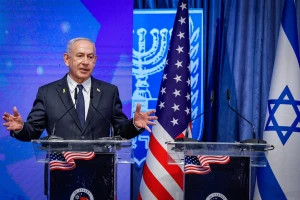
The program is part of Israel's broader NIS 350 billion ($116.5 billion) increase in the defense budget approved by Prime Minister Benjamin Netanyahu last December.
Officials say the multi-year plan is intended to address gaps identified by the IDF in its operational readiness and reduce Israel’s reliance on foreign suppliers for key defense systems. It is expected to be implemented over several years through long-term contracts with defense companies, helping them to expand production capacity and hire additional staff.
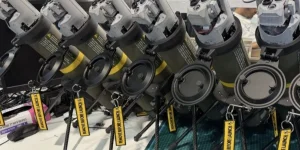
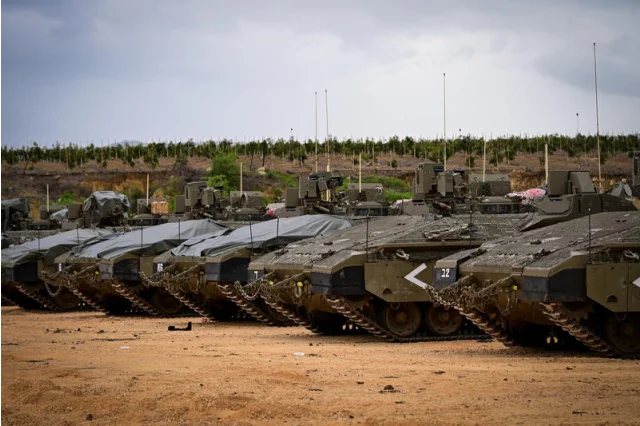
The reported procurement package includes fighter jets, refueling aircraft, attack helicopters, naval vessels, armored vehicles, advanced weapons production capabilities, and a space project.
Some critics have questioned the pace of the plan’s release, while the Ministry of Defense responded that “the defense establishment’s budget base is very high, and there is not enough money for everything.”
Sources within the government and Defense Ministry have said that intensive meetings have taken place in recent months in an effort to secure the necessary funds within the budget to meet all ministry requests. Senior IDF officials have reportedly warned for years that there are significant gaps in the IDF’s order of battle, leaving Israel strategically vulnerable.
However, critics of the large defense budget argue that if government spending on the military grows too sharply, key civilian systems the IDF is meant to protect – including the economy, education infrastructure, healthcare, and transportation networks – could deteriorate.
The IDF is currently deployed across multiple fronts, including southern Syria, Lebanon, Gaza, and the West Bank. Military officials say the scale and duration of deployments have required the prolonged mobilization of tens of thousands of reservists, placing strain on personnel, families, and parts of the economy.
The pace of operations has also reportedly contributed to budget pressures estimated at around NIS 40 billion ($13.3 billion), adding complexity to ongoing discussions among the IDF, the Defense Ministry, and the Finance Ministry over competing national priorities and long-term planning.
Officials say an agreement has now been reached on a framework moving forward, allowing the IDF to proceed with long-term contracts worth about NIS 130 billion out of a previously approved NIS 350 billion defense budget increase. The plan is expected to support procurement of aircraft, munitions, armored vehicles, naval systems, and advanced weapons production, including new facilities and infrastructure.
Some officials have warned that the broader budgetary framework may ultimately require tax increases alongside cuts to government services, with civil society organizations reportedly preparing for increased demand for assistance among households facing financial distress.
You might also like to read this: