Zeḥaryah and Elisheva in the Book of Luke reveal Temple-era priestly life
Part One: The real people of the New Covenant: Lives behind the names






This article is part of Real People of the New Covenant: Lives Behind the Names, a new series by ALL ISRAEL NEWS contextualizing the historical figures of the biblical narrative. Exploring the history and archaeology of the Land offers an objective framework for reading the text, grounding distant figures within their concrete environment.
This installment focuses on Zeḥaryah and Elisheva (Zechariah and Elizabeth), a priestly couple introduced in the Gospel of Luke and positioned at the heart of Temple life in Jerusalem. Their story offers a window into the priestly order, daily Temple service, and the social and religious dynamics of Judea in the late Second Temple period, while also marking the opening moments of the New Testament narrative.
The enduring faith of the Temple elite
Among the ancient accounts, the Gospel of Luke uniquely preserves the history of Zeḥaryah and Elisheva, opening their narrative at the absolute epicenter of Jewish national identity – inside the Holy Place of the Jerusalem Temple. Before the coming of the Messiah is announced to the wider world, the first movements of the text begin within the private lives of this elderly, childless couple from the Judean Hills.
Their lives reflected a rare convergence of genuine religious devotion and high social standing. Through Zeḥaryah (זְכַרְיָה) – "The Lord Remembers" – and Elisheva (אֱלִישֶׁבַע) – "My God is an Oath" – their very names merged to offer Israel a powerful reminder that God had not forgotten His covenant promises, even through centuries of prophetic silence.
The order of Abijah – from text to stone
The Gospel of Luke anchors this narrative in the meticulous administrative reality of first-century Judea, noting that Zeḥaryah belonged to "the priestly division of Abijah" and that Elisheva was a direct descendant of Aaron (Luke 1:5). In the Second Temple period, the priesthood was divided into 24 distinct courses established to manage the Temple's massive, year-round sacrificial operations; the division of Abijah was the eighth course in this rotation.
While these details can easily read as minor genealogical data today, they signaled a precise institutional standing in a society where the priesthood rotated to manage national worship. For many years, modern critics questioned whether this complex network actively functioned during the tumultuous Roman period.
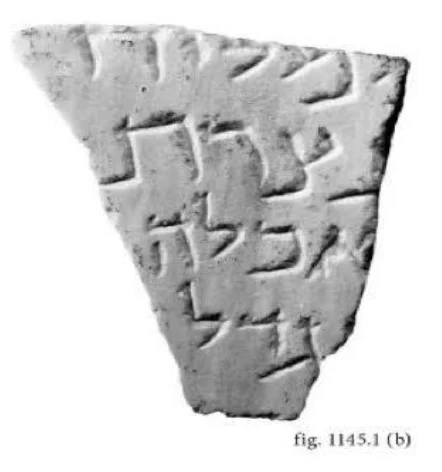
However, archaeology provided a definitive answer in 1962. Excavations at the coastal capital of Caesarea Maritima unearthed fragments of a third-century Hebrew marble inscription, physically listing these 24 priestly courses, which confirmed the historical reality of the system recorded by Luke.
The casting of lots – from the sanctuary to Ein Karem
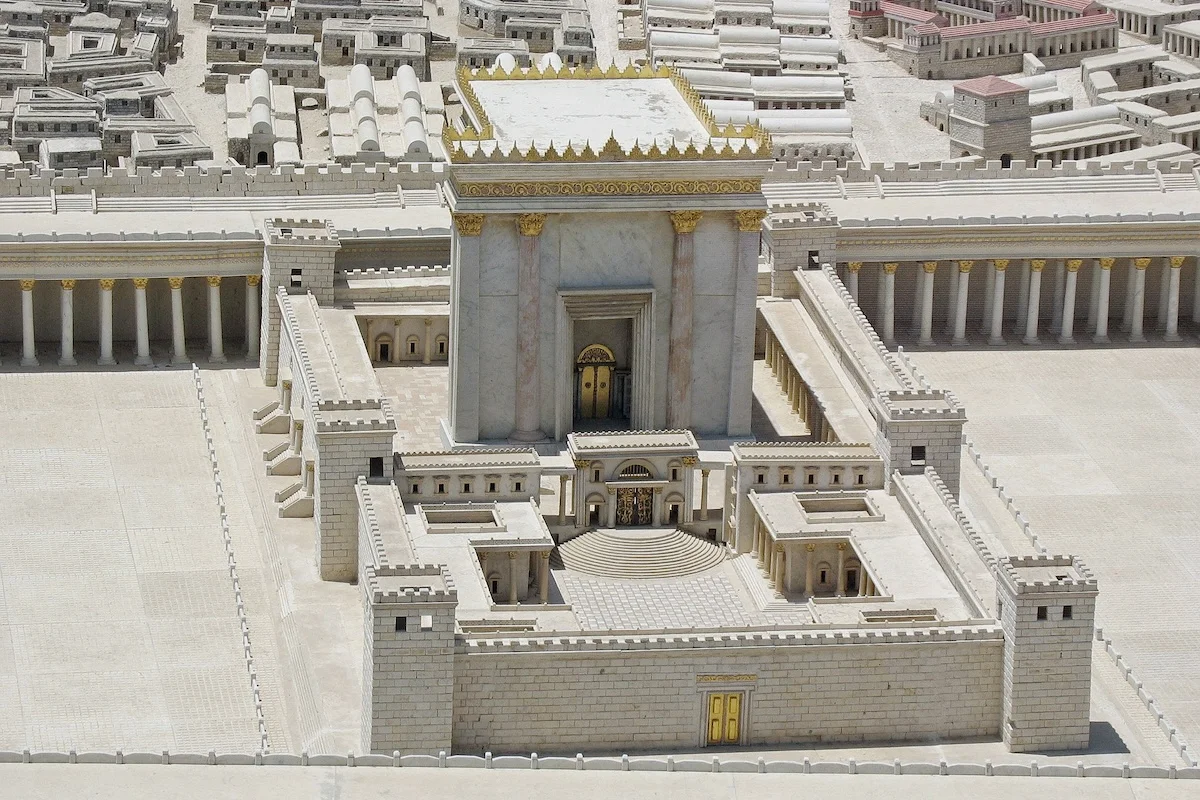
The narrative turns when Zeḥaryah was selected "by lot, according to the custom of the priesthood," to enter the sanctuary and burn incense (Luke 1:9).
Historical records reveal the immense stakes of this moment: with tens of thousands of eligible priests across Judea, this daily privilege was decided by a strict lottery, and a priest could win this draw only once in his lifetime. For a country priest like Zeḥaryah, this was the defining moment of his career.
Yet, as the lots were drawn in the Temple courts, the outcome subverted all routine. Zeḥaryah stepped inside the Holy Place, only to be confronted by the angel Gabriel announcing the birth of John the Baptist. Following the encounter, Zeḥaryah emerged from the sanctuary entirely mute, while Elisheva retreated into seclusion to carry her miraculous pregnancy (Luke 1:24).
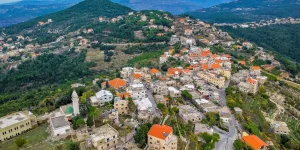
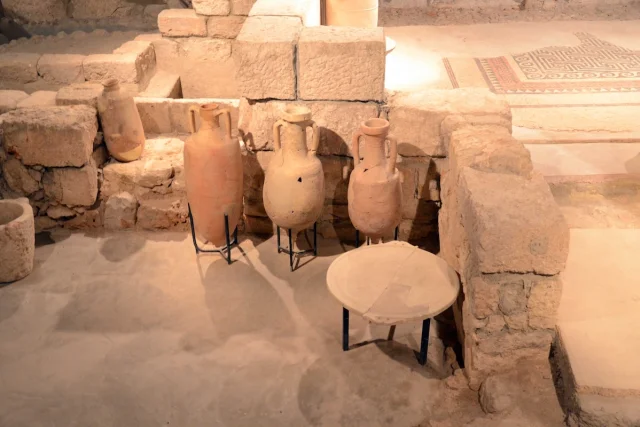
Their destination was the hillside village of Ein Karem. While Luke simply references a town in the hill country of Judea, centuries of historical tradition identify this location as their home. Modern archaeological excavations beneath the village’s ancient structures have brought its first-century reality into focus: the discovery of agricultural installations and a traditional ritual bath (mikveh) physically anchors the narrative within an observant, rural Jewish community perfectly suited to a priestly family.
The blueprint of integrity – endurance in the hidden years
The lives of Zeḥaryah and Elisheva present a striking paradox. Scripture records that they walked blamelessly before God (Luke 1:6), yet they remained childless in a culture that viewed barrenness as a deep social stigma and a sign of divine disfavor. Living under the critical gaze of an elite priestly society, they spent decades maintaining their service while navigating their advanced years without any outward change in their family circumstances.
Despite these social pressures, their actions reflected complete devotion to the sanctuary. Zeḥaryah continued to assume his roles within his priestly division, while Elisheva honored her domestic and religious obligations, allowing them both to preserve an active role in the routine service of their community.
Ultimately, this lifelong consistency demonstrates an integrity decoupled from the immediate validation of cultural expectations. By operating independently of conventional signs of prosperity or personal fulfillment, their historical footprint offers a stark alternative to ancient norms of visible success.
Next in the series: Yoḥanan the Baptist – the dissident of the priestly elite
Want to help more people find our reporting from Israel? Leave a quick Google review of our website HERE .
You might also like to read this: