Situation with Iran: What’s the deal?


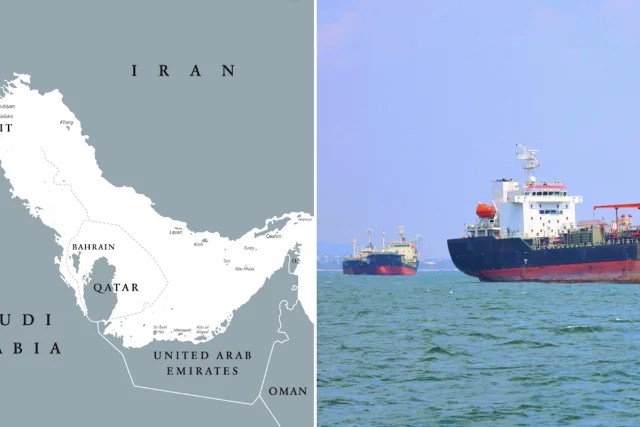
The Memorandum of Understanding between the United States and Iran is an interim 60-day agreement and is conditional upon compliance with its terms [1]. The President of the United States said that his reason for signing the MoU was that he “didn’t want to see an economic catastrophe” [2]. Iran’s numerous strikes on Arab Gulf nations have demonstrated their vulnerability to hits from Iran [3]. Iranian strikes have caused significant damage to oil and gas infrastructure, some of which may be offline for months or perhaps years [3]. Oil exports from Arab Gulf countries have been drastically reduced or even halted as in the case of Kuwait [3]. While most of the oil that transits the Strait of Hormuz goes to Asia-Pacific countries, the global supply and demand of oil is affected. The effects so far have been mitigated by countries using record quantities of their oil reserves in stock and increased supply of oil from other regions, but these are only short-term ameliorations [4].
Logistics and Geopolitics
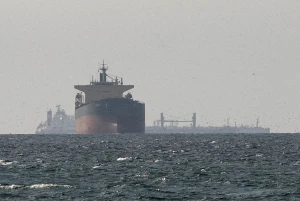
Iran, Iraq, Kuwait, Qatar, and Bahrain each rely on the Strait of Hormuz to ship practically all of their oil exports [5]. Saudi Arabia and United Arab Emirates rely primarily on the strait for oil exports but have limited ability to use alternative routes [5]. Saudi Arabia and Iraq have experienced the biggest declines in oil exports [4]. It is reported that Saudi Arabia has lobbied the POTUS against war with Iran [6]. Normally, 27% of global oil trade transits the Strait of Hormuz [7]. The situation is a predicament for the POTUS because he cannot have his so-called golden age without oil in abundance and at a low price. Furthermore, the notion of a golden age cannot be used as leverage over radical Islamists. However, they will, as already demonstrated, superficially engage in negotiations for immediate monetary benefits.
Shortcomings with Defenses
Prior to the Iran war, extensive U.S. defense systems were stationed in partner Arab Gulf nations [8]. As described in the article Shortcomings with US air defense systems in the Middle East, there are inefficiencies with cost, supply, and performance. Iran’s attack strategies include cluttering the radar and overwhelming air defenses, often using a combination of ballistic missiles and drones. Any hit from a ballistic missile or drone can have devastating effects. Iran’s capacity for attacking with drones likely exceeds what the inventories of U.S. interceptors can sustain [8]. That is a heavy prospect and would have a humbling effect on the most prideful of men.
Biblical Point of View
Despite these considerations, the president of the United States shows characteristics of “a mouth speaking great things” as in Daniel 7:8. The word translated as “great” here refers to power, wealth, and influence. Interestingly and uncannily, this is the central theme to the U.S. president’s motto “Make America Great Again”, which by extension has been used to apply to other domains. He speaks threats of devastating force on Iran, speaks boastings of the so-called golden age, and speaks assertions of geopolitical outcomes. But perhaps we should not be surprised, as I’m reminded of the words of Jesus in Matthew 24:25 – “See, I have told you in advance.”
References
[1] Makovsky, M., J. Hannah, B. Misztal, and J. Ruhe. 2026, June 23. Analysis: Reversal of Fortunes: The U.S.-Iran Memorandum of Understanding. Jewish Institute for the National Security of America.
[2] Mansour, H. 2026, June 26. The Unmaking of America’s Persian Gulf Order, JINSA Insight. Jewish Institute for the National Security of America.
[3] Blanchard, C. M. 2026, June 03. The Arab Gulf States, the Iran Conflict, and U.S. Relations: In Brief, Document R48971. U.S. Congressional Research Service.
[4] 2026, March 13. Oil Market Report. International Energy Agency.
[5] 2026, February. Strait of Hormuz Factsheet. International Energy Agency.
[6] Magid, J. 2026, July 1. US said weighing pulling troops from Saudi Arabia amid major tensions with Riyadh over Iran war. The Times of Israel.
[7] Ratner, M., P. Brown, L. W. Rosen, and C. Thomas. 2026, March 11. Iran Conflict and the Strait of Hormuz: Impacts on Oil, Gas, and Other Commodities. U.S. Congressional Research Service.
[8] Cicurel, A. 2026, March. The Eroding Shield: Air Defenses Against Iran. The Jewish Institute for National Security of America.
You might also like to read this: