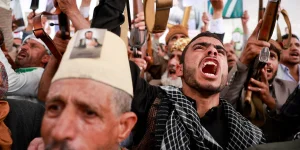
Israel prepares for renewed fighting as Hezbollah rejects Israel-Lebanon agreement





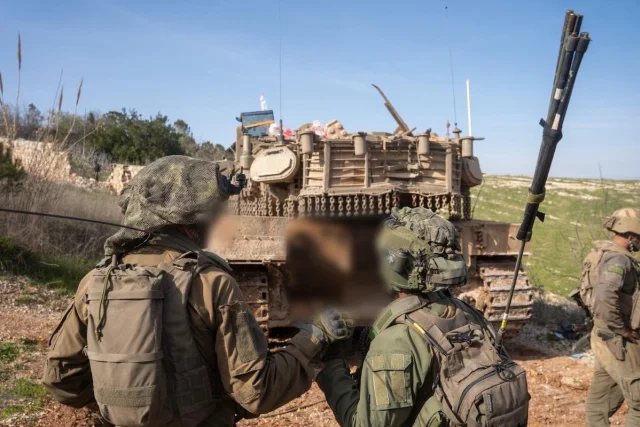
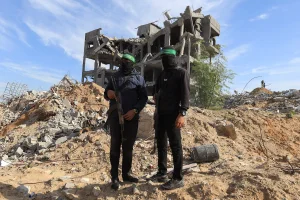
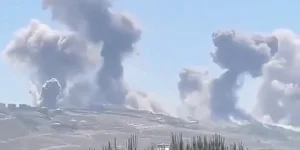
Israel is preparing for the possibility of renewed fighting with the Iranian-backed terrorist militia Hezbollah after the group rejected a U.S.-backed framework that would require Hezbollah to disarm before Israeli forces withdraw from southern Lebanon.
Israeli officials assess that Hezbollah could launch attacks on Israeli forces in the coming days, potentially jeopardizing the fragile diplomatic effort.
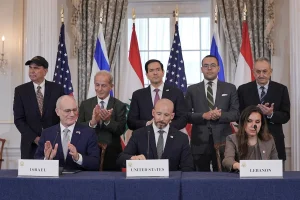
The framework, backed by Washington and accepted by both the Israeli and Lebanese governments, calls for the Lebanese military to assume security control in areas vacated by Israeli forces while disarming Hezbollah and other non-state armed groups. Under the agreement, Israel would only continue its withdrawal as Hezbollah is disarmed throughout Lebanon.
“Hezbollah and Iran are losing it,” an Israeli security official said on condition of anonymity. “If Hezbollah attacks, we will respond accordingly and act to remove the threats,” the official added, stressing that the Israeli military maintains full freedom of action against Hezbollah in Lebanon.
The Trump administration has previously urged Israel to limit retaliatory strikes against Hezbollah out of concern that broader escalation could jeopardize the fragile ceasefire with Iran.
Washington has been particularly opposed to Israeli strikes on Hezbollah's headquarters in Beirut's southern Dahieh district, which Tehran has reportedly signaled is a red line.
Israel's current approach, the official said, is to assess each Hezbollah attack or ceasefire violation individually.
“Each case will be examined on its own merits,” the official explained. “If Israeli communities are attacked, a decision will be made on how to respond. Dahieh may also be a target, but it is not an automatic response."
Washington is actively pursuing a diplomatic resolution between Israel and Lebanon, and the Israeli official argued that the United States would not oppose Israeli strikes if Hezbollah seeks to derail the American-backed framework.
“Hitting Hezbollah also serves the Lebanese government and the agreement mediated by the Americans,” the official explained. “The United States will not want to allow Iran and Hezbollah to undermine the diplomatic process.”
The current round of fighting began in early March when Hezbollah launched attacks on Israel during the U.S. and Israeli strikes against Iran and its military assets.
Although the Lebanese government quickly outlawed Hezbollah's military activities, it has so far been unable or unwilling to prevent the group from launching attacks from Lebanese territory.
“Lebanon’s sovereignty is not harmed when Israel strikes Hezbollah,” the Israeli official assessed, hailing the American-backed framework as “a major diplomatic and security achievement.”
“This is a framework agreement, but a good start for what comes next,” he explained. “The greatest achievement is that Israel is not withdrawing from the yellow line until Hezbollah is disarmed throughout Lebanon."
Under the agreement, Israel is expected to withdraw in the near future from two pilot areas where the Lebanese military would assume full security control and disarm non-state armed groups such as Hezbollah. Any additional Israeli withdrawal would remain contingent on Hezbollah's disarmament.
Israeli Defense Minister Israel Katz hailed the Washington-backed framework as “a historic event and an important diplomatic and security achievement for the State of Israel.”
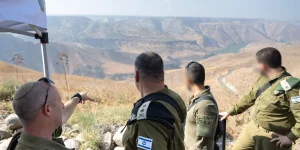
“Israel is not withdrawing from Lebanon and is maintaining the security zone in south Lebanon, including Beaufort Ridge, while the area is clear of residents and terror infrastructure above and below ground,” Katz stated, adding that the Israeli military preserves full operational freedom to act against Hezbollah threats under the agreement.
Katz stressed that Israel will maintain its military presence in southern Lebanon until Hezbollah is disarmed, vowing there would be “no redeployment of Israel in south Lebanon, no withdrawal” until “the Hezbollah terror organization is disarmed throughout Lebanon and the security of northern residents is ensured.”
While calling the agreement a significant step forward, Katz cautioned that “the test will be in implementing the agreement” and warned that “many challenges are still expected.”
He added that he and the prime minister had instructed the IDF “to prepare for a prolonged stay in the security zone” in order to protect Israeli troops and “remove threats from northern communities.”
Meanwhile, Hezbollah leader Naim Qassem rejected the Israel-Lebanon framework on Saturday, calling it “null and void.” Qassem claimed the agreement was a “humiliation” and accused the Lebanese government of “legitimizing” the Israeli military presence in southern Lebanon.
Hezbollah lawmaker Mohammad Raad, who heads the Resistance Bloc in the Lebanese parliament, also condemned the agreement, claiming it demonstrated “the Lebanese authority’s complete submission to America and the Zionist enemy.”
Please take a moment to join believers worldwide praying for Israel right now. Add your light to the live prayer map—and show the world one more watchman praying for the peace of Jerusalem.

You might also like to read this: