The Jezreel Valley: from great promise into bloodshed and then to restoration




Throughout the Bible, the prophets repeatedly reveal a profound pattern: redemption often follows devastation. The promises of peace and restoration in the last days emerge only after seasons of judgment and sorrow. Yet when God’s salvation finally arrives, it is complete and lasting – never to fall again.
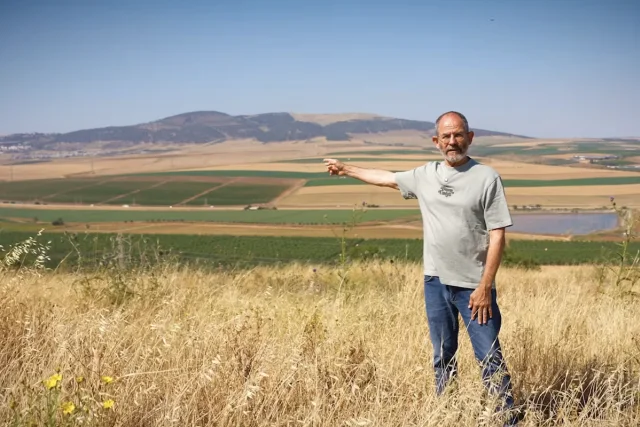
One place that powerfully embodies this biblical pattern is the Jezreel Valley in northern Israel. This vast and fertile valley has witnessed both terrible violence and remarkable hope. Its very name – Jezreel, meaning “God will sow” –reflects the tension between judgment and restoration that runs throughout Scripture.
A land of fertility – and neglect
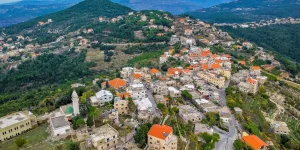
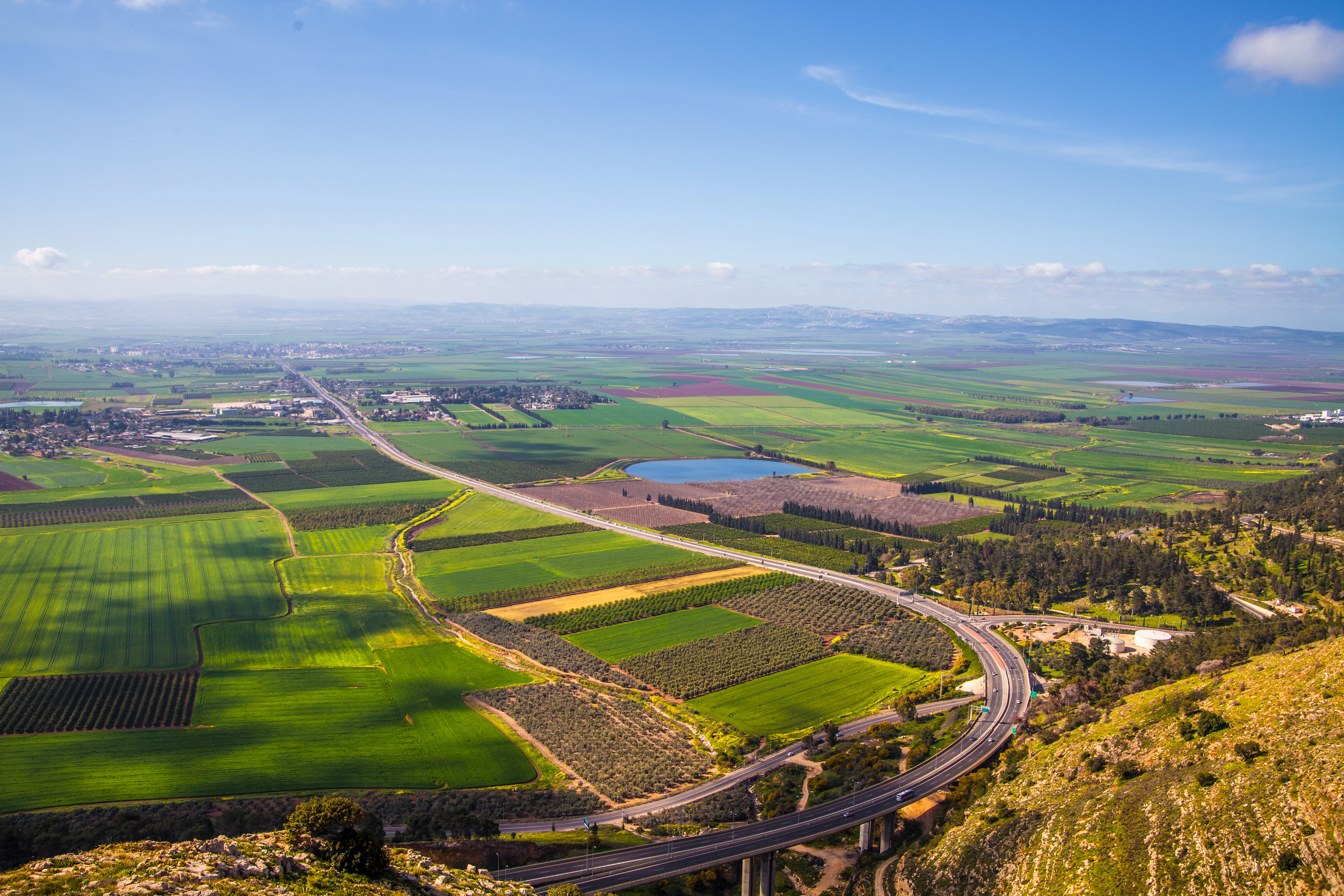
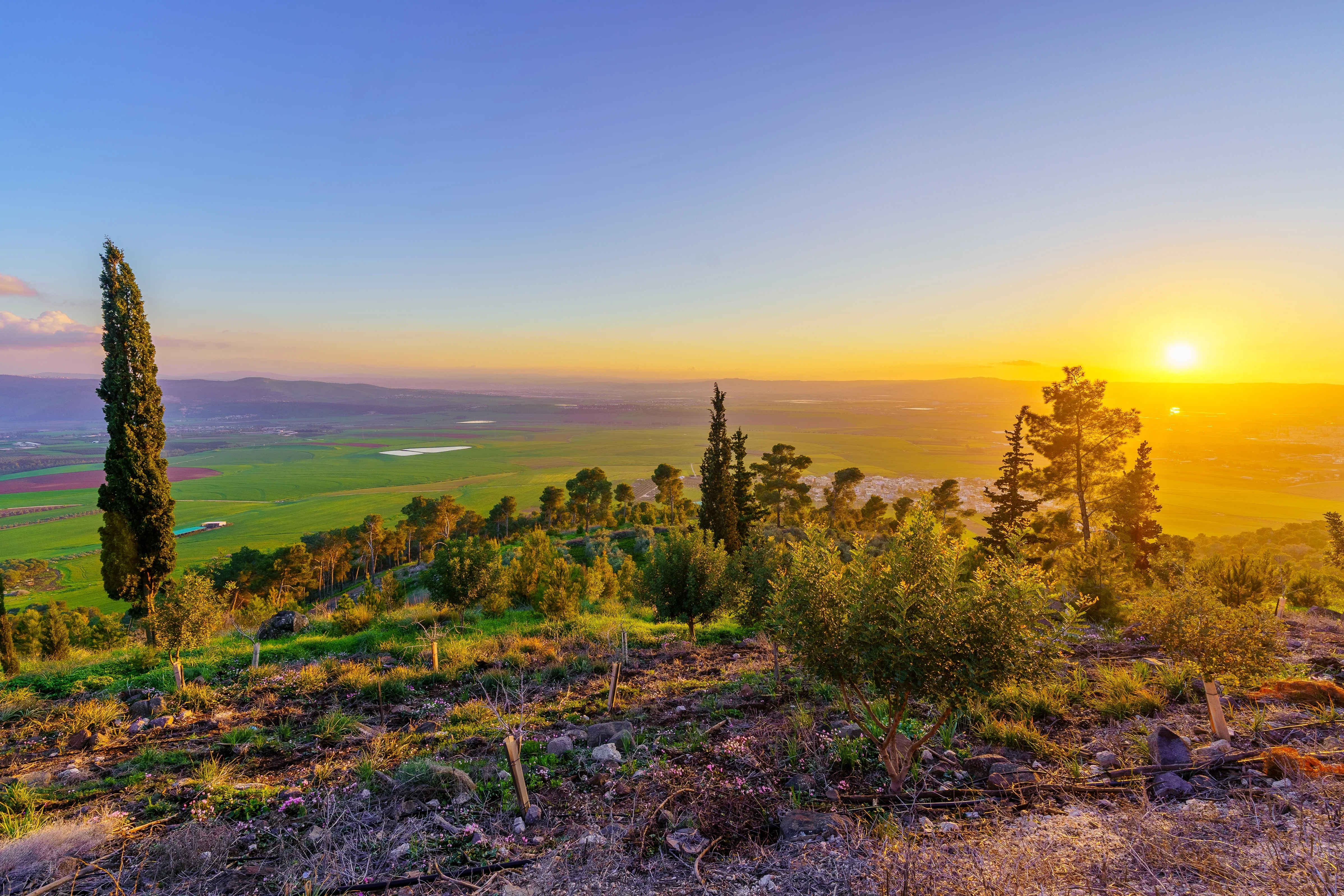
Today, the Jezreel Valley is known as the largest and one of the most fertile valleys in Israel. Its rich soil and wide plains make it a central agricultural region. Yet, this was not always the case.
During periods when the land was abandoned and poorly maintained, much of the valley was covered with swamps that were infested with malaria. Such was the late 19th century, when the first Zionist pioneers arrived seeking land in the Land of Israel, the Jezreel Valley was among the cheapest and most available areas for purchase. The reason was simple: widespread malaria made the region difficult and dangerous to inhabit. For hundreds of years, the valley had been neglected under Ottoman rule and by local inhabitants.
Yet, long before this era of decline, the Jezreel Valley had been one of the most strategic regions in ancient Canaan.
A strategic battlefield in biblical times
When the Israelites entered Canaan under Joshua, the Jezreel Valley was surrounded by powerful city-states such as Megiddo, Jokneam, Shimron, and Beth-Shan, along with many smaller settlements. In fact, this area was one of the last to be conquered by the Israelites.
Interestingly, one of the less prominent cities at the time was Jezreel itself, the town that eventually gave its name to the entire valley.
Despite its humble status, Jezreel became the setting for some of the most dramatic and troubling events recorded in the Book of Kings.
The vineyard of Naboth: greed and injustice
One of the most well-known stories associated with Jezreel is the account of King Ahab and Naboth the Jezreelite (1 Kings 21).
Although the capital of the Kingdom of Israel was Samaria, located about 35 kilometers to the south in the mountains, Jezreel served as the king’s winter palace. When the colder months arrived in the highlands, the king would retreat to the warmer valley.
Near the palace was a vineyard owned by a man named Naboth. King Ahab desired the vineyard and offered to buy it. Naboth refused, explaining that the land was part of his ancestral inheritance, which the Law of Israel forbade him to sell.
Ahab returned to his palace sullen and resentful, behaving more like a disappointed child than a king. His wife Jezebel, daughter of the king of Sidon and a devotee of pagan worship, decided to resolve the matter herself.
She orchestrated a sham trial, arranging false witnesses who accused Naboth of blaspheming God. According to the Law, such a crime deserved death. Naboth was condemned and executed, and Jezebel informed Ahab that the vineyard was now his.
But the story did not continue according to the king’s expectations.
God sent the prophet Elijah to confront the king with a piercing accusation:
“Have you murdered and also taken possession?”
(1 Kings 21:19, NKJV)
Elijah declared that severe judgment would come upon Ahab and his offspring because of this injustice.
Bloodshed in Jezreel
The prophecy was fulfilled. Ahab later died in battle against Aram, his two sons, who reigned after him, died and lost the kingdom.
A second violent episode, connected to the first, unfolded in Jezreel when Jehu, an army commander who turned against the royal house, carried out a bloody coup. While King Joram, the son of Ahab, was recovering from battle wounds in Jezreel, Jehu arrived and killed him. He also ordered the death of the king’s mother, Queen Jezebel and killed Ahaziah, the king of Judah, who happened to be visiting his cousin Joram.
Thus, Jezreel – whose name suggested divine blessing – became a place remembered for betrayal, injustice, and bloodshed.
The prophetic symbol of Jezreel
About a century later, the prophet Hosea used the name Jezreel as a powerful symbol of judgment.
By God’s command, Hosea married a prostitute as a prophetic sign to the nation of Israel. Their first son was given a striking name:
“Call his name Jezreel,
For in a little while
I will avenge the bloodshed of Jezreel on the house of Jehu,
And bring an end to the kingdom of the house of Israel.
It shall come to pass in that day
That I will break the bow of Israel in the Valley of Jezreel.”
(Hosea 1:4–5, NKJV)
The name symbolized the coming downfall of the northern kingdom of Israel. Not many years after Hosea delivered this prophecy, the kingdom fell to the Assyrian Empire, and the valley passed into foreign hands.
From judgment to restoration
Yet the message of the prophets never ends with judgment alone. Because of God’s covenant with His people, hope always follows discipline.
Scripture repeatedly promises that sorrow will ultimately give way to joy:
“I will turn their mourning to joy,
Will comfort them,
And make them rejoice rather than sorrow.”
(Jeremiah 31:13, NKJV)
And:
“Those who sow in tears
Shall reap in joy.”
(Psalm 126:5, NKJV)
Even within Hosea’s prophecy, the meaning of the name Jezreel transforms. What once symbolized judgment becomes a promise of restoration.
“Yet the number of the children of Israel
Shall be as the sand of the sea,
Which cannot be measured or numbered…
Then the children of Judah and the children of Israel
Shall be gathered together
And it shall come to pass
In the place where it was said to them,
‘You are not My people,’
There it shall be said to them,
‘You are sons of the living God.’
Then the children of Judah and the children of Israel
Shall be gathered together,
And appoint for themselves one head;
And they shall come up out of the land,
For great will be the day of Jezreel!”
(Hosea 1:10-11, NKJV)
Here, the name returns to its original meaning: “God will sow.” It speaks of a future when God will plant His people again in their land and gather them together under one leadership.
A valley renewed in our time
The story of the Jezreel Valley does not end in the pages of Scripture. In a striking historical echo, the valley became one of the first centers of Zionist settlement in the modern return of the Jewish people to the Land of Israel.
The swamps were drained. Malaria was eradicated. Agricultural communities were established, and the valley once again became green, fertile, and thriving.
What was once a place associated with judgment and bloodshed has become a symbol of renewal and restoration –a powerful reminder that God’s promises endure through history.
The prophets declared that mourning would turn into joy and that what was sown in tears would be reaped in gladness. The Jezreel Valley stands today as a living illustration of that truth.
Indeed, as the prophet Hosea proclaimed:
“Great will be the day of Jezreel.”
Is All Israel News’ faithfull reporting important to you? Be part of it—help us continue by becoming a $5/month supporting partner.
You might also like to read this: