Out with a bang: Knesset session ends with laws stripping AG powers, expanding IDF veterans’ rehab
High Court freezes law halting arrest of draft dodgers a day after legislation passes



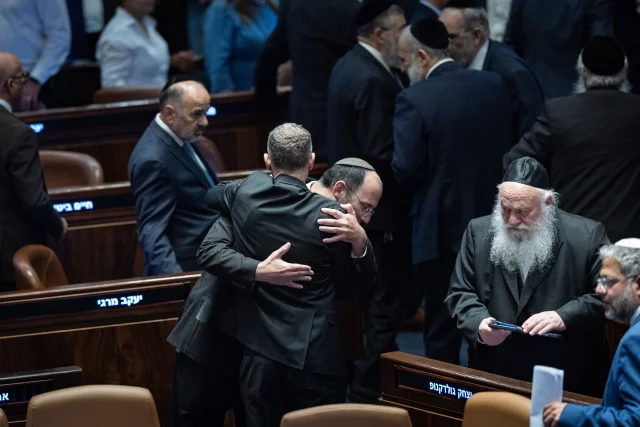
The 25th Knesset ended its legislative session on Thursday with a bang, pushing through several controversial laws in a last-minute effort punctuated by prominent dissenters within the coalition.
Meanwhile, the most controversial part of the package of bills was already frozen by the Supreme Court.
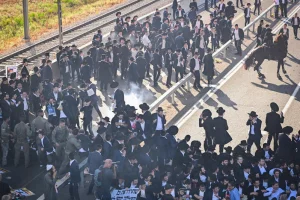
The coalition had passed a law temporarily halting the arrest of ultra-Orthodox (Haredi) yeshiva students who ignore IDF draft orders until the end of November.
Just a day later, the High Court of Justice ruled that the implementation of this law would be frozen, ordering a hearing about the bill and instructing the government to explain why the law should not be struck down.
The judges explained their decision came due to “this court’s longstanding rulings on the issue of drafting yeshiva students, the implications of freezing arrest, investigation and enforcement procedures with respect to only certain segments of the population, and the weighty arguments raised by the petitioners against its validity.”
The last-minute effort to pass a package of mostly controversial bills was reportedly a result of a deal between the prime minister and the Haredi parties, who had stopped supporting the coalition’s legislation due to the fight over a new IDF draft law.
They agreed to support bills left over from the judicial reform days in exchange for bills meant to allow the ultra-Orthodox men to evade the military draft and other bills important to their voter base.
A key bill that didn’t find support is the establishment of a so-called “political” commission of inquiry into the Oct. 7 failures, rather than a traditional state commission. The coalition had intended to pass the bill on Wednesday but failed to do so.
Late Wednesday evening, the coalition succeeded in passing a watered-down version of a former key part of the judicial reform plans: A bill stripping the powers of the Attorney General.
Starting from January 2027, ministers would be allowed to ignore the A-G’s legal opinions, and allow the government to appoint and dismiss the A-G.
The coalition had originally sought to split the position into two, creating the separate offices of legal advisor to the government and chief prosecutor. This, and other more drastic aspects originally in the bill, were taken out due to time constraints, though the coalition has vowed to complete the plan if reelected in October.
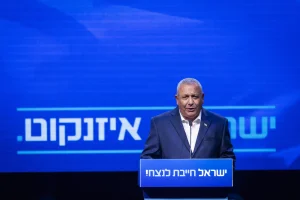
Yashar chairman Gadi Eisenkot, who leads most current election polls, said that the law is “a blatant attempt to neutralize Israel's gatekeepers and to crush the rule of law… This law is another intolerable step in the deliberate assault on the foundations of our democracy. In the next government, we will strengthen the rule of law and repeal any reckless legislation that harms it.”
Another bill that was passed overnight was an overhaul of the rehabilitation system for wounded IDF soldiers, which will elevate the Defense Ministry’s Rehabilitation Department into a national authority with more staff and funding.
Among other measures, every wounded soldier will be assigned a case manager responsible for them; their families will also receive psychological support; and overall procedures will be streamlined through automated systems, AI, and other technologies.
“The plan we approved will provide them with a broad and comprehensive support system,” Prime Minister Benjamin Netanyahu declared. “Our wounded soldiers went into battle to defend the state, and we are fighting for them and for their rehabilitation.”
The Knesset also approved a law allowing Israeli universities and colleges to offer gender-segregated master's and doctoral degree programs, extending an exemption already in place for many undergraduate courses.
Amid the highly contentious legislative process of the past days, which was held up on Wednesday evening by new demands presented by veteran Haredi leader, Moshe Gafni, several coalition members announced their resignations, citing the fight over the ultra-Orthodox military draft as a main reason.
On Tuesday, Deputy Foreign Minister Sharren Haskel resigned her post after refusing to vote for the law halting the arrest of draft dodgers, which she said “harms national security, [IDF] service members and those who for three years now have been fighting on the frontlines for our sake and the country.”
The next day, Likud lawmaker Dan Illouz declared, “The draft exemption saga is a disgrace that made it clear to me that my place is no longer in the Likud.”
He charged that the party has been “hijacked,” citing examples ranging “from evading responsibility for Oct. 7, to promoting schemes while our voters are collapsing in the reserves, to surrendering to interest groups that are raising the cost of living for all of us.”
Immigration and Absorption Minister Ofir Sofer from the Religious Zionism party also said he would not seek reelection, after having strongly criticized the Haredi draft exemptions.
“The State of Israel must continue to fortify its security, and erect a solid, cast-iron wall, but also one that is based on values and unity,” he stated.
“The bereaved and those wounded in war will carry with them scars that will not heal quickly,” Sofer wrote. “These will remind us all, every day, of the great responsibility and commitment to the right path.”
You might also like to read this: