Archaeological teams uncover Second Temple period artifacts at ancient Shiloh



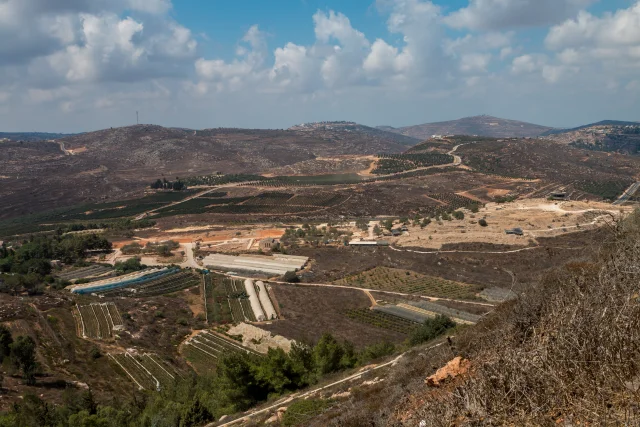
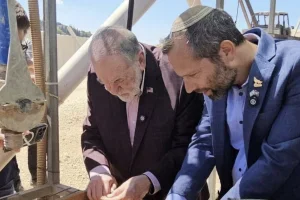
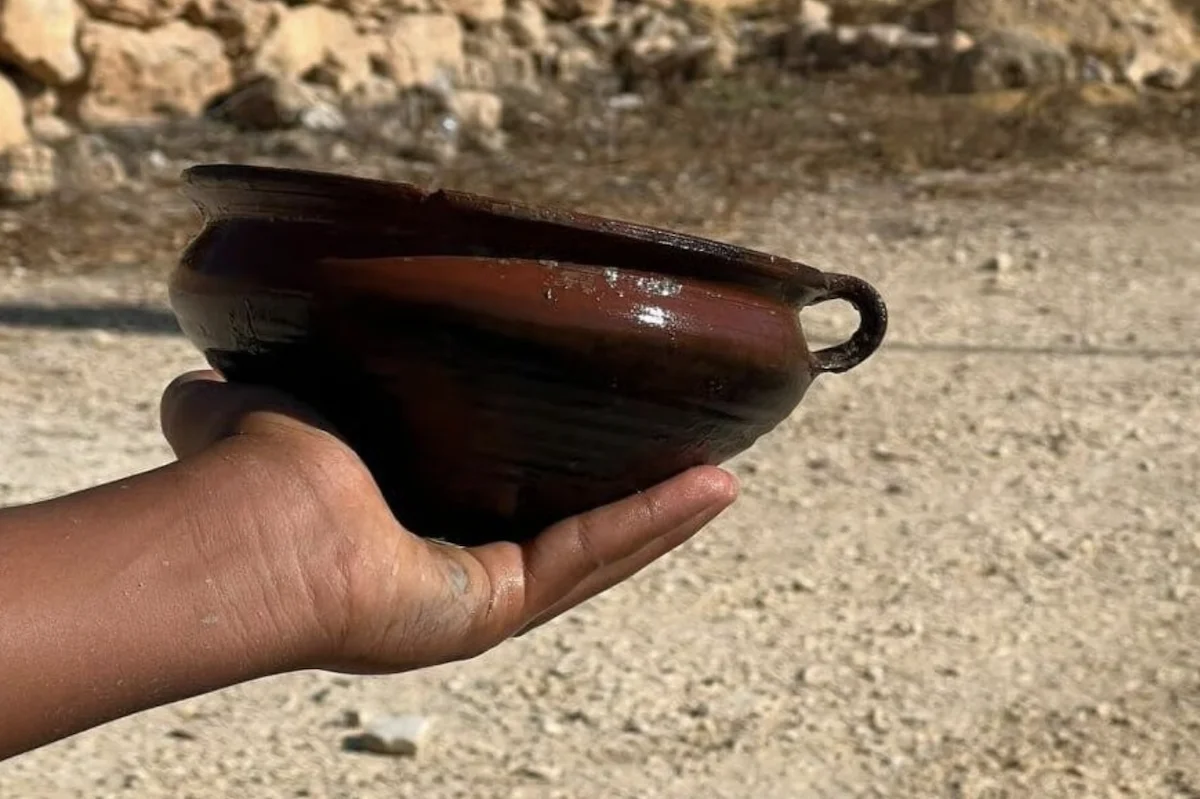
Archaeologists excavating the Ancient Shiloh National Heritage Site in southern Samaria have uncovered several rare artifacts dating to the Second Temple period, including a ritual bath (mikveh), a clay cooking pot and a purple-dye snail shell used to produce the prestigious dye associated with Jewish ritual garments.
The discoveries are significant because they provide new evidence of Jewish life at one of the Bible's most important archaeological sites during the Second Temple period, which corresponds with the earthly ministry of Jesus Christ.
The excavation is being led by the Civil Administration's Archaeology Unit in cooperation with the Binyamin Regional Council.
Among the most notable finds is the rare purple-dye snail shell, which would have been used to produce the dye needed for tzitzit (tassels that form the ends of the tallit prayer shawl worn by Jewish men) as well as parts of the garments worn by the High Priest.
Shiloh is mentioned numerous times in the Bible and was especially significant in the Book of Joshua.
“Now the whole congregation of the children of Israel assembled together at Shiloh, and set up the tabernacle of meeting there. And the land was subdued before them,” Joshua 18:1 states.
According to the Bible, the Ark of the Covenant was housed at the Tabernacle in Shiloh for nearly 400 years. During most of the period of the Judges, Shiloh served as the religious center of the Israelite tribes until King David established Jerusalem as the capital of the united Kingdom of Israel around 1000 B.C.
Commenting on the significance of the discoveries, Har Even, the Civil Administration Archaeology Staff Officer, said, “We are in the period of the Three Weeks, during which the destruction of the Temple is commemorated, and archaeological finds of this kind take on special significance. Beyond their scientific importance, they demonstrate the deep historical connection between the Jewish people and ancient Shiloh.”
Binyamin Regional Council head and chairman of the Yesha Council, Israel Ganz, added, “Precisely at a time when there are those attempting to undermine our right to this land, these findings once again demonstrate the depth of the Jewish people’s connection to Shiloh, Binyamin and the Land of Israel. I am especially proud of our youth, who chose to commemorate the memory of Maj. Shilo Har Even, of blessed memory, through an excavation that reveals to all the deep roots of our people in this land.”
Today, Ancient Shiloh is a popular archaeological and tourism destination where visitors can explore the remains of the biblical site through excavations, multimedia exhibits and displays highlighting its role in Jewish history.
According to the site's visitor information, the location preserves traditions associated with the Tabernacle, the prophet Samuel, Hannah's prayer for a son, and the prophet Ahijah the Shilonite, while presenting archaeological discoveries spanning multiple historical periods.
You might also like to read this: