PM Netanyahu expands control over Likud candidate list ahead of Israeli elections



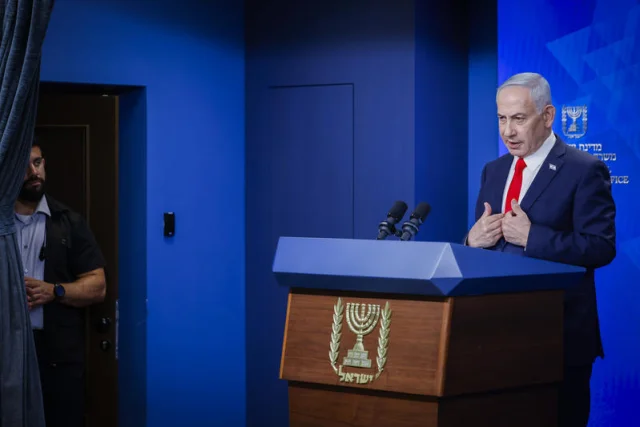
Israel's election season officially began this week, and Prime Minister Benjamin Netanyahu finally secured a significant expansion of his influence within the ruling Likud Party after a key internal committee approved a plan allowing him to personally select eight candidates on the party's Knesset slate.
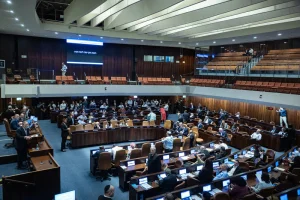
The move comes after the Knesset's legal adviser announced on Sunday that Friday would be the final day of the 25th Knesset session, when parliament will be dissolved and the country will enter a new election cycle. With elections now underway, activity at Likud headquarters has intensified as the party prepares for its primaries and the Oct. 27 vote.
The Constitutional Committee of Netanyahu's Likud Party approved the new arrangement on Monday, giving the prime minister the authority to select eight candidates on the party's slate, including three in the top 10 and six in the top 20. The decision marks a victory for Netanyahu in his weeks-long effort to increase his influence over the outcome of the upcoming party primaries.
Committee chairman Haim Katz had favored holding primaries with a more open slate of candidates, but his proposal was strongly opposed by Netanyahu and his allies. Netanyahu had even suggested scrapping the primaries altogether unless he was granted the ability to choose 10 slots himself.
Under Monday's compromise agreement, which is not yet final and must still clear procedural hurdles, Netanyahu will be able to choose candidates for the third, fifth, ninth, 11th, 15th, 18th, 26th and 31st positions on Likud's Knesset list, with himself being at the top.
With polls currently projecting Likud to win around 25 seats, significantly less than its current 32 seats, the arrangement increases Netanyahu's influence over which candidates are likely to enter the next Knesset. It also represents a major expansion of his authority compared with the party's last primaries before the 2022 election, when he was able to handpick only three candidates in the top 30 positions, the highest being at No. 14.
Netanyahu's power over the list threatens many of the lower-ranking lawmakers, who already are less likely to be reelected as the Likud faces a loss of around a fourth to a third of its seats, depending on the poll.
The compromise has also exposed divisions within Likud's leadership. Along with Katz, veteran MK David Bitan publicly questioned the process. Ynet reported that he told Netanyahu during an open meeting, “We’re talking about reserved [slots], but everything is hazy. We haven’t seen who they want to reserve a spot for and what value they bring to Likud.”
Netanyahu reportedly responded sharply: “Bitan, you’re welcome to run and we’ll see how many seats you bring.”
The exchange may have reflected broader tensions within the party following veteran Likud lawmaker Yuli Edelstein's recent decision to leave Likud and establish his own political party ahead of the elections.
Edelstein's party will be one of dozens expected to compete in the Oct. 27 election. Five current Knesset members have already announced their retirement from public life, while dozens of veteran politicians are competing for places on their parties' candidate lists alongside hundreds of first-time hopefuls seeking election.
Public opinion polls, while often unreliable this far ahead of an election, suggest growing voter fatigue with Netanyahu and an appetite for new political leadership. At the same time, surveys indicate there is little consensus on who should replace him as prime minister.
You might also like to read this: