IDF signs $7M deal for AI-powered radar to counter deadly Hezbollah drones



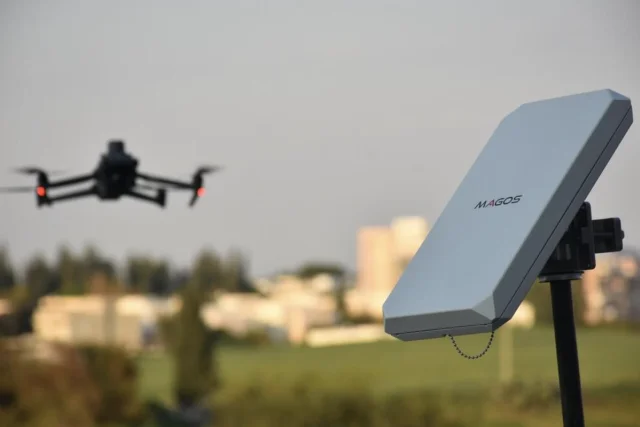
The Israel Defense Forces have signed a $7 million agreement with Israeli startup Magos Systems to supply AI-driven radar systems designed to detect hostile drones, as the military seeks to counter an increasingly dangerous threat from Hezbollah's unmanned aerial systems.
The company will reportedly deliver hundreds of radar-based drone detection systems capable of protecting ground forces from enemy unmanned aerial systems, including fiber-optic drones.
The deal comes as Israeli forces face mounting challenges from Hezbollah drones, which have killed and wounded a number of IDF soldiers in recent weeks in southern Lebanon.
Israel's multilayered air defense systems, including Iron Dome and Arrow, have proven highly effective at intercepting rockets and ballistic missiles. However, they have struggled to detect and intercept smaller drones flying at low altitudes, which are often mistaken for birds.
“By fusing radar detection data with information from cameras deployed in the field, the system delivers real-time, multi-dimensional situational awareness of both ground and aerial threats,” Company co-founder and CEO Aviel Kisliansky explained.
“The new system enables simultaneous, highly accurate classification of people, vehicles, and drones, while maintaining reliable performance in challenging weather conditions and effectively filtering out false alarms caused by wildlife, including birds, and other environmental movement,” he added.
The startup stated that its drone detection system has “successfully” passed strict evaluations by multiple undisclosed clients in Israel and abroad.
Founded in 2010 and based in the Israeli city of Rehovot, near Tel Aviv, Magos Systems specializes in AI-enabled perimeter protection systems that combine radar technology with artificial intelligence.
The company has reportedly delivered thousands of radar systems to customers in more than 70 countries across North America, Europe and South America. Its clients include defense facilities, sensitive government sites and critical infrastructure such as ports, power plants, energy facilities and logistics hubs.
The Israeli military is also investing in strengthening its offensive capabilities. It was reported in May that the IDF plans to manufacture thousands of suicide drones to counter the Hezbollah drone threat.
Hezbollah's first-person-view (FPV) drones have become the Iranian-backed terror group's most potent offensive weapon after Israel degraded much of its rocket and missile arsenal and eliminated thousands of Hezbollah operatives.
The FPV drones are particularly dangerous because of their speed, agility and precision. In addition, their small size and ability to strike with little warning make them difficult to stop before they reach soldiers or military installations.
Israeli Prime Minister Benjamin Netanyahu revealed in May that the Israeli military was working on a “special project” to address the Hezbollah drone threat. Netanyahu said at the time that he had “ordered the establishment of a special project to thwart the drone threat.”
“A progress report on the matter will be presented to me today. It will take time, but we are on it. We will continue to ensure Israel's superiority in all arenas,” Netanyahu pledged at the time.
The Israeli premier has vowed that the Jewish state will ultimately become a global leader in developing technologies to counter the growing drone threat.
You might also like to read this: