Exploring the story behind Jerusalem's Western Wall




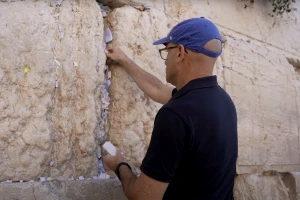
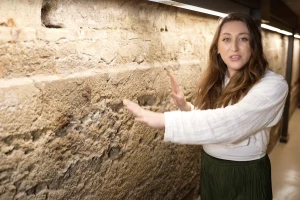
For millions of people around the world, the Western Wall is one of Jerusalem’s most recognizable holy sites. Yet according to Eilat Lieber, director and chief curator of the Tower of David Museum in Jerusalem, much of its fascinating story remains unknown even to those who have visited it.
The museum’s upcoming exhibition, scheduled to open in April 2027, aims to uncover those deeper layers through photographs, documents, films, and personal collections gathered from around the world.
As part of the museum’s ongoing effort to tell Jerusalem’s story through its most significant sites, the exhibition will explore how the Western Wall developed into one of the central symbols of Jewish identity and national life.
Lieber explained that the project is part of a larger effort to examine the sacred sites of Jerusalem’s three major religions. Previous exhibitions focused on the Dome of the Rock, while a future exhibition will examine the Church of the Holy Sepulchre.
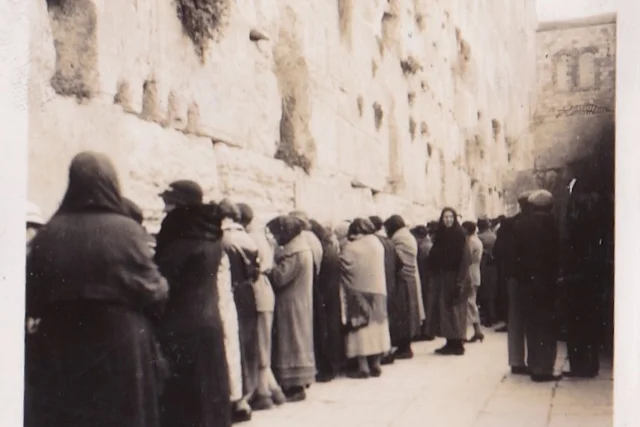
Photography plays a central role in the Western Wall exhibition.
Because some of the earliest photographers traveled to the Holy Land shortly after the invention of the camera, Jerusalem became one of the most extensively documented cities of the 19th century.
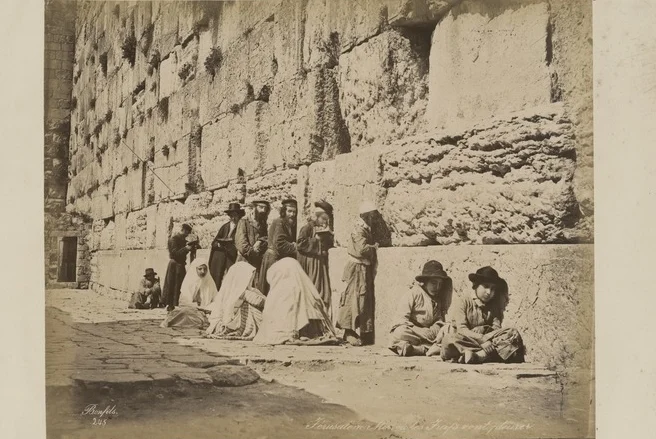
The museum is now seeking additional photographs from private family collections to help complete the historical picture.
“This is our mission to light chapters in the history of the city, to fill in the blank spaces in our big picture and add more knowledge to the history of the city,” Lieber said, describing the significance of the project.
The exhibition will also trace how the site evolved through the Ottoman period, the British Mandate, Jordanian rule, and modern Israel. Visitors will discover how attitudes toward the Western Wall changed over time, including its relationship to the early Zionist movement and its growing importance after Jerusalem’s reunification in 1967.
Beyond its historical significance, the exhibition will examine the Western Wall’s continuing role in contemporary Jewish life and Israeli society.
“But there’s one place that they all feel really united and feel the same about the site. And this is the Western Wall,” Lieber observed, reflecting on recent events.
Recalling scenes witnessed during the current war, she said, “We could see soldiers coming back from Gaza or Lebanon coming to thank someone, and we could see all the hostages family coming for praying and and asking for the relatives to come back. And then we saw the hostages themselves coming to thank God.”
Lieber emphasized that the site’s significance extends far beyond Israel and resonates with Jewish communities around the world:
“It’s the most important holy site, connected to God, connected to heaven. They feel the presence of God there. They’re coming to pray, to pray, to ask about personal, you know, needs and about national needs.”
Through the exhibition, the museum hopes to illuminate how a single site has evolved over centuries into one of the most enduring symbols of Jewish faith, memory, and connection to Jerusalem.
Click below to listen to the full interview.
You might also like to read this: