Trump-Iran deal fallout reportedly prompts Netanyahu camp to shift election strategy



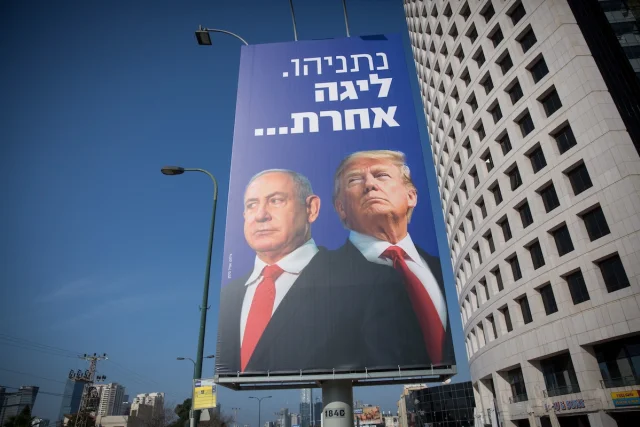
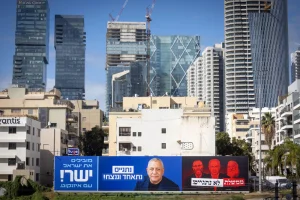
The Likud party, led by Israeli Prime Minister Benjamin Netanyahu, is reportedly adjusting its strategy for the upcoming Knesset elections as details of the Memorandum of Understanding (MOU) with Iran continue to fuel criticism across Israel.
According to a report by i24 News, Likud is abandoning plans to emphasize Netanyahu's close personal relationship with U.S. President Donald Trump amid growing public frustration over the agreement and concerns that the U.S. administration has granted significant concessions to Iran.
The move reflects concerns among party strategists that anger directed at Trump could also damage support for Netanyahu and Likud.
Opposition parties are nevertheless expected to highlight the longstanding relationship between Netanyahu and Trump, and argue that the Israeli prime minister did not do enough to influence the negotiations that produced the MOU.
On Thursday, the 14-point agreement dominated headlines in Israel, with numerous media outlets publishing editorials examining its implications.
Most of the commentary focused on what critics described as extensive concessions to Iran in exchange for guarantees allowing the continued flow of maritime traffic through the Strait of Hormuz.
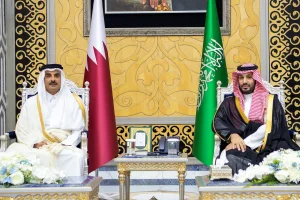
Additional controversy followed comments Trump made after the agreement was signed. Among other remarks, he called on the IDF to “stop blowing up buildings” in Lebanon and suggested that Iran be allowed to retain some ballistic missiles because it would be “unfair” if neighboring Gulf Arab states, including Saudi Arabia and Qatar, possessed such capabilities while Iran did not.
However, criticism of the agreement extends beyond Trump's public comments. Some observers note that previous statements by Trump on other international issues, including the war in Ukraine, generated concern when first made but ultimately did not translate into formal U.S. policy.
The agreement itself contains several provisions that have drawn scrutiny. Among them is a commitment by the United States to lift its naval blockade of Iran and permit Iranian oil exports to resume.
The deal also includes sanctions relief and financial measures that critics argue could provide Iran with significant new resources.
Meanwhile, Iran's ballistic missile program and its support for regional proxy organizations – including Hezbollah, Hamas, Shi'ite militias in Iraq, and the Houthis in Yemen – receive limited attention in the agreement.
Although one clause states that the war will end on all fronts, including Lebanon, critics argue that it leaves important questions unanswered regarding the long-term handling of those groups.
Commentary in Israeli media and reactions posted online following the agreement's publication suggest widespread concern about its implications. While much of the criticism has been directed at Trump, some Israelis have also faulted Netanyahu for failing to persuade the U.S. administration to pursue a different course.
Those concerns appear to be driving Likud's efforts to distance Netanyahu politically from Trump as the party prepares for the next election campaign.
You might also like to read this: