Iran deal? Color me skeptical



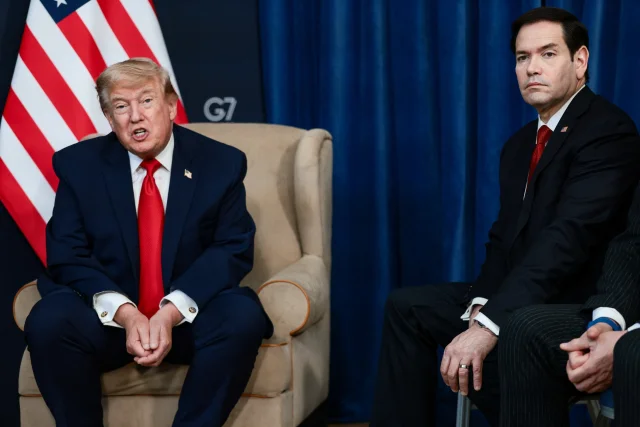
President Trump is touting a new memorandum of understanding with Iran as a major breakthrough, and supporters of the agreement are hoping it could eventually lead to a more stable Middle East.
But before anyone gets too excited, it’s worth taking a deep breath and looking at what we actually know – and perhaps more importantly, what we still don’t know.
The details of the agreement remain incomplete and, in some cases, disputed.
What appears clear is that the United States and Iran have agreed to continue negotiations, reopen the Strait of Hormuz, and extend a ceasefire period while talks continue on the toughest issue of all: Iran’s nuclear program.
Multiple reports indicate that the nuclear issue has effectively been pushed into a future round of negotiations rather than fully resolved in this initial framework.
That reality is why many conservatives are greeting the news with cautious optimism at best and deep skepticism at worst.
Republican Congressman Mark Alford of Missouri told ALL ISRAEL NEWS that he’s hopeful but also wary. “I’m cautiously optimistic about ANY deal involving the Iranians,” Alford said.
“The world has been dealing with these bad actors for 47 years. If this Trump peace deal holds, the nuclear material is recovered, the strait is fully opened and Iran stops funding and supporting Islamic terrorism, which threatens Israel and the Mideast, then this will be the largest peace deal of my lifetime," he explained.
"Israel and its Mideast neighbors deserve to live in peace. Hopefully, Hamas and Hezbollah will dry up financially and wither on the vine. The next step will be expanding the Abraham Accords,” Alford said.
He pointed to Jeremiah 29:11: “For I know the plans I have for you,” says the Lord. “They are plans for good and not for disaster, to give you a future and a hope.”
South Carolina Senator Lindsey Graham also struck a cautious tone. “I am pleased to hear the memorandum of understanding with Iran to allow the Strait of Hormuz to open has been agreed to. I will be watching closely the ensuing negotiations regarding Iran’s nuclear program and other matters."
"I am somewhat concerned that Iran’s view of the agreement seems different than what the American negotiating team is claiming. Under our law, any nuclear deal with Iran will be sent to Congress for review and a vote,” Graham continued.
That concern may be the most important sentence in Graham’s statement. Even supporters of the agreement appear to recognize that there are significant unanswered questions.
Vice President JD Vance has emphasized that sanctions relief and other benefits would only come after verified action by Iran regarding its nuclear program. Yet reports indicate the framework agreement itself does not settle the nuclear issue and instead creates a 60-day period for additional negotiations.
And that’s where my skepticism begins. To me, this feels like pulling 90 percent of a weed out of the ground while leaving the root system intact.
For a few days, maybe even a few weeks, everything looks great. The weed appears gone. The garden looks cleaner. People celebrate the progress. But the root is still there. Eventually, it grows back.
The central issue driving this entire conflict has always been Iran’s nuclear ambitions. Yet the key element of the agreement appears to be that both sides will continue to talk about the issue later.
If that’s the case, then what exactly has been solved? Have they agreed to talk more? Wow. What a breakthrough.
The deal, at least as currently understood, seems to say: “We’re going to keep discussing Iran’s nuclear program.” In other words, the deal is a deal to have more talks.
Here’s the problem: we may simply be kicking the can down the road. The danger is that we could find ourselves facing the exact same problem months from now or years from now, except under less favorable conditions.
In my view, one of two scenarios appears most likely. Scenario one: Iran ultimately refuses to comply with the requirements necessary to permanently dismantle its nuclear capabilities. The negotiations collapse. The regime violates its commitments.
At that point, the United States and Israel are forced to revisit military options and finish a job they thought they had already completed.
Scenario two may be even more concerning. Iran behaves itself while President Trump remains in office. The regime enjoys economic relief, rebuilds damaged infrastructure, strengthens its finances, and quietly restores its regional influence.
Then, after a future administration takes office – particularly if Iran believes that administration is weaker – the old behavior returns.
That means more support for terrorist proxies, more threats against Israel and more destabilization across the Middle East.
The underlying assumption of the agreement appears to be that Iran will fundamentally change its behavior. That’s a significant leap of faith considering the regime’s history.
For nearly five decades, Iran has funded proxy groups, sponsored terrorism, threatened Israel and targeted American interests. So we’re now supposed to believe that Tehran has suddenly become a trustworthy negotiating partner?
Yeah, right. Color me skeptical.
Want to help more people find our reporting from Israel? Leave a quick Google review of our website here.
You might also like to read this: