The forgotten feast – the wave sheaf offering, more than 'Passover' as we know it




Most of us are familiar with Passover. Within the Jewish world, the Exodus from Egypt is commemorated annually across religious and secular households alike. Schools close for the holiday, and the sale of leavened products is restricted throughout Israel.
Yet what many overlook is this: the “Passover” commonly observed today is not, strictly speaking, the original biblical Passover.
Three Festivals in the First Month
A closer look at the Torah reveals that the first month – Nisan – contains not one, but three distinct festivals. Despite this, only one is widely recognized today, and even that is often mislabeled.
Leviticus 23 details the seven feasts of the Torah. Here are the first two:
“The LORD’s Passover begins at twilight on the fourteenth day of the first month. On the fifteenth day of that month, the LORD’s Festival of Unleavened Bread begins; for seven days you must eat bread made without yeast” (Leviticus 23:4–6).
This passage clearly distinguishes between two separate feasts:
Passover (14th of Nisan): A one-day event centered on the sacrificial lamb.
Feast of Unleavened Bread (beginning 15th of Nisan): A seven-day festival marked by the removal of leaven.
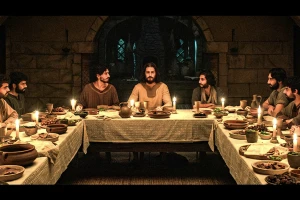
When we read in the New Testament about the Last Supper Yeshua had with his disciples, it is the first night of Passover, when they ate the lamb that was sacrificed in the Temple.
Today, when people refer to “Passover,” they are typically describing the Feast of Unleavened Bread. The original Passover, dependent on the Temple sacrifice, ceased after the Temple’s destruction.
Fulfillment Through Yeshua
This transition is deeply significant. The cessation of the Passover sacrifice occurred not long after Yeshua gave himself as the ultimate sacrifice. Yeshua came to fulfil the Law (Matthew 5:17–18). Therefore, there was no need to sacrifice the lamb in Passover any longer!
The Overlooked Third Festival
Returning to Leviticus 23, we encounter a third feast: “When you come into the land that I give you and reap its harvest, you shall bring the sheaf of the first fruits of your harvest to the priest, and he shall wave the sheaf before the Lord, so that you may be accepted. On the day after the Sabbath, the priest shall wave it” (Leviticus 23:10–11).
This is the Feast of Waving the Sheaf Offering of First Fruits. It takes place on the day after the Sabbath following Passover. This feast has not been celebrated for the last 2,000 years.
Historically, there has been debate over what “the day after the Sabbath” means.
The early Church understood it as the first weekday following the Sabbath after the Passover.
But the Jewish post-Temple tradition interpreted it to be the last day of the Unleavened Bread feast, which is another day of rest.
The calculation of future feast dates is a result of this Jewish tradition. So, just as Passover does not occur on the same day of the week each year, Shavuot – celebrated exactly 50 days later – also does not fall on a fixed weekday.
Understanding the First Fruits Offering
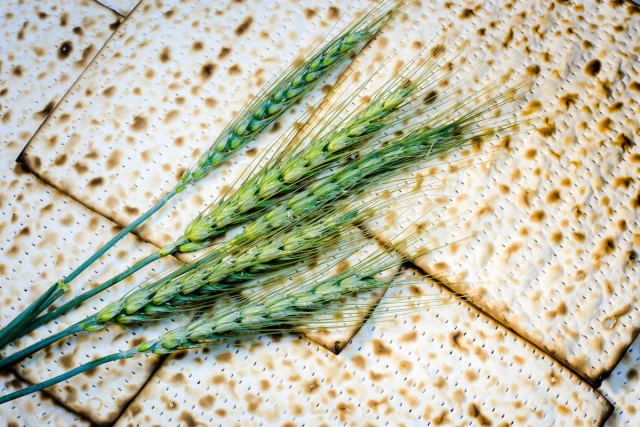
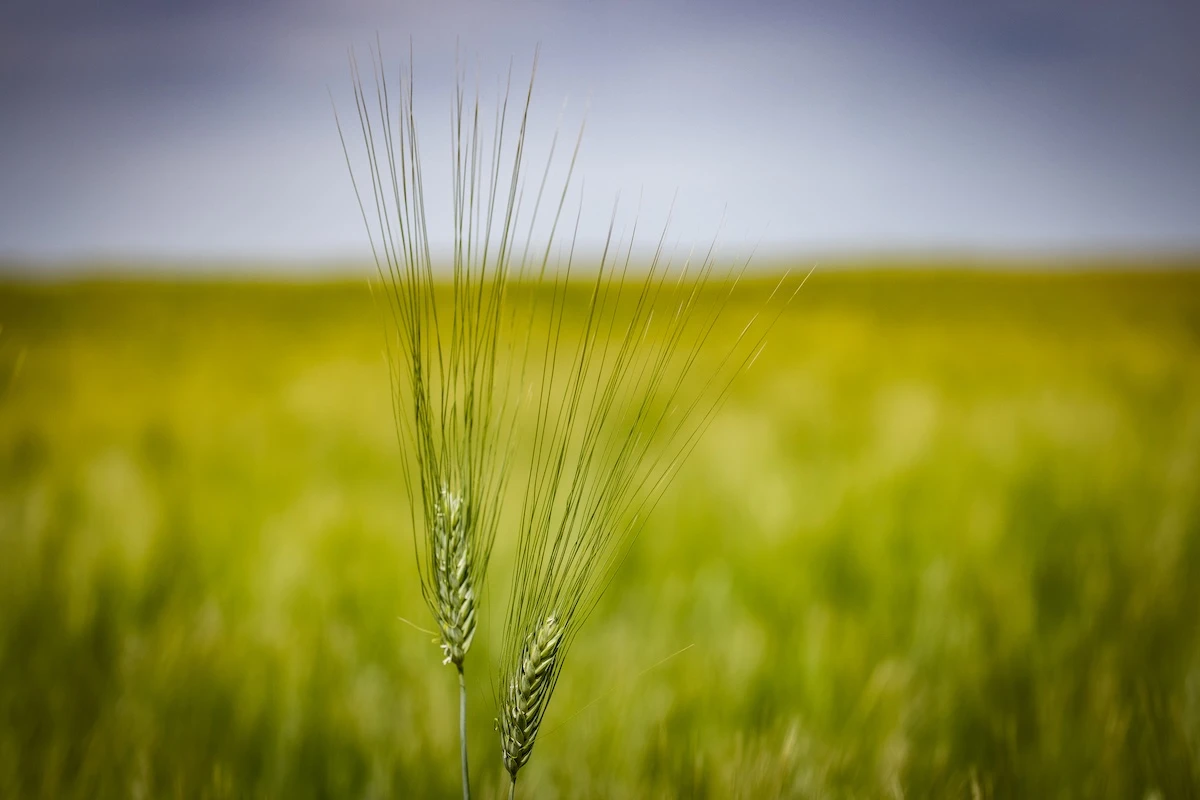
Which grain's sheaf was waved by the priest? In ancient Israel, two primary grains were cultivated: barley and wheat. Barley ripened earlier, around the time of Passover, while wheat matured later, reaching its peak at Shavuot (Pentecost), 50 days afterward.
Today, barley is not commonly used for bread, as its flour is not as rich as wheat flour. However, in ancient times, barley was a very important cereal crop, and the barley harvest is mentioned several times in the Bible (for example, Ruth 1:22).
These first fruits, presented by the priest, originated from the earliest barley harvest, the first crop to mature.
Why Was It Forgotten?
Like the original Passover sacrifice, the Feast of First Fruits required the Temple and the priests. Without the Temple, the physical observance faded from practice.
The deeper fulfilment of this festival is found in the resurrection of Yeshua: “But Messiah has indeed been raised from the dead, the first fruits of those who have fallen asleep” (1 Corinthians 15:20).
Just as the first sheaf signified the beginning of the harvest, Yeshua’s resurrection marks the beginning of new life for all who believe in Him. He is the “first fruits” – the guarantee of what is to come.
While the ancient ritual is no longer practiced, its fulfillment is ongoing. Anyone who believes in Him celebrates not merely a historical event, but a living reality – the risen Messiah, the first fruits of eternal life.
You might also like to read this: