Israel increases passenger cap on flights as missile fire strains air travel




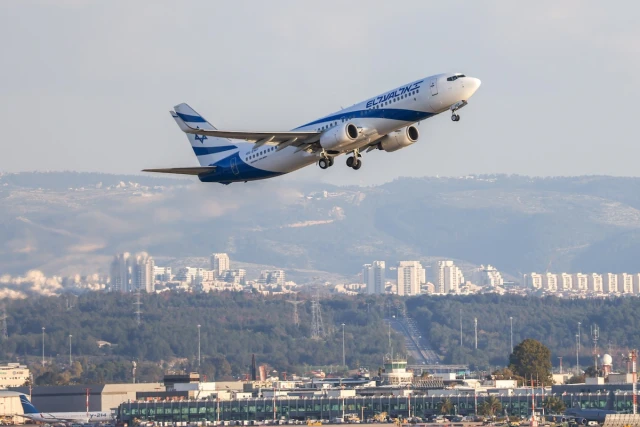
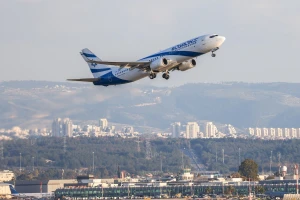
Israel’s Transportation Ministry said it will raise the cap on passengers permitted to board outbound flights from Ben Gurion International Airport in Tel Aviv. As of Sunday morning, the limit was 50 passengers, but it is expected to increase to 70, with up to 20 additional seats reserved for humanitarian cases.
The announcement included a caveat that this new procedural framework will be subject to security assessments and other input from the relevant government authorities and could be updated. That means the number of permitted passengers might increase, but it might also decrease.
The passenger limits on departing flights are part of broader guidelines issued by multiple government agencies to manage the security situation. Ballistic missiles from Iran and its proxy, the Houthis in Yemen, continue to target Israel, while heavy fighting in Lebanon includes rocket fire by Hezbollah.
Several missiles, drones, and rockets have struck Israel in recent weeks, and debris from intercepted projectiles has also fallen in various locations, causing casualties and damage. Although fatalities have been relatively limited, hundreds of people have been hospitalized with injuries, and many more have sought treatment for psychological and emotional stress.
All of this has led many people to want to leave the country, at least for the duration of hostilities, but the same conditions that have prompted them to do so also make it difficult for the airport to operate. The authorities are only allowing one takeoff and landing an hour, but there are no restrictions on the number of passengers allowed to board flights bringing people into the country, and most flights that land at the airport from abroad are full or nearly full. The only airlines operating flights are the Israeli carriers, El Al, Arkia, Israir and Air Haifa.
Meanwhile, Ben Gurion Airport itself has not been spared. Although no ballistic missiles have hit inside the airport’s perimeter, debris from intercepted missiles has landed there and damaged equipment, including three private jets.
Some airline industry officials have tried to convince the government to increase the number of flights in and out of Ramon International Airport in the Negev, while other international airlines have also shifted their traffic to nearby airports in Taba, Egypt and Aqaba, Jordan. The U.S. Embassy in Jerusalem has also organized regular bus rides to the international airport in Amman, Jordan, for American citizens who wish to leave Israel.
However, these alternatives can only do so much to relieve the bottlenecks at Ben Gurion Airport. Officials at several Israeli airlines and travel companies have complained that Ramon Airport is severely underutilized in this situation. However, the airport's location, far from Israel’s major population centers, has limited its use since it opened in 2019. It is mainly used to bring tourists to the Red Sea resort city of Eilat and to bring a limited amount of freight to southern Negev communities.
On the other hand, in 2025, approximately 18.5 million international passengers traveled to and from Ben Gurion Airport. This was a 33% increase from 2024. The total international aircraft traffic reached 134,214 flights, with Greece, the United States, and the UAE being the top destinations.
By contrast, Ramon International Airport processed around 750,000 passengers in 2025, a 13% increase in traffic from 2024. However, the overwhelming majority of these passengers were Israelis flying down from the center and north of the country for a holiday in Eilat. International traffic to and from Ramon has remained relatively light.
In the current situation, that could soon change. For now, however, the restrictions in place at Ben Gurion Airport are also being applied at Ramon Airport.
Although the southern airport has not been targeted by missiles from Iran during this war, the involvement of the Houthis in Yemen raises the possibility that it could be. Shi’ite militias in Iraq could also target it if air traffic there increases.
You might also like to read this: