Passover in Israel, Nowruz in Iran: Spring celebrations of renewal, freedom in the shadow of war




As Israel prepared to celebrate Passover, marking the exodus from Egypt and the triumph of freedom, Iran observed its Persian New Year, Nowruz, on March 20, the spring equinox. Both holidays, celebrated at the start of spring, reflect themes of renewal and the triumph of light over darkness – through liberation from slavery or the renewal of life.
Nowruz, rooted in ancient Zoroastrian tradition, symbolizes the victory of light, fire, and the sun over darkness. Despite centuries of political and religious change in Iran, the holiday remains deeply embedded in Persian culture and is celebrated across the region.
There is evidence that Jewish communities under Persian rule for more than a millennium were aware of Nowruz. References appear in both the Babylonian and Jerusalem Talmud, showing awareness of the holiday, even if it was not widely observed (by Jews). Over time, as Nowruz became a national cultural festival, some of its customs naturally mirrored Jewish practices.
Jewish scholar Dr. Esther Shkalim, of Persian heritage, notes several similarities between Passover and Nowruz in her book "Mah Nishtanah Be’emet? (“How Is This Different, Really?”):
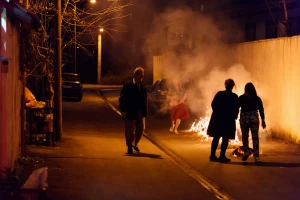
Spring cleaning and purification: Iranians practice khāne-takānī, “shaking the house,” to cleanse their homes of evil, echoing the Jewish custom of removing or burning chametz to mark a fresh start. Nowruz features the lighting of bonfires, and participants jump over flames to leave behind misfortune.
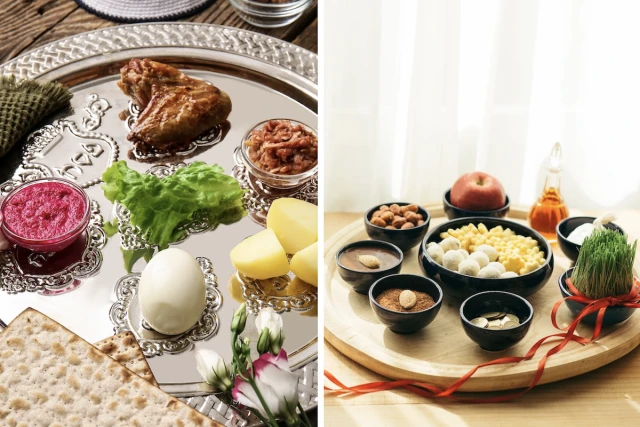
Festive tables and symbolic items: Nowruz features tables adorned with eggs, greens, sprouts, sweets, and fruits – elements that echo the Jewish Passover Seder plate and its symbolic foods.
Hospitality and open doors: Both holidays encourage welcoming guests freely, emphasizing community and generosity. Elijah, the prophet, is traditionally invited as a symbolic guest at the Passover Seder, representing hope, redemption, and the future coming of the Messiah.
Playful customs: Some medieval Nowruz traditions have survived in Jewish Passover practices among Persian descendants: during the afikomen search, children lightly tap one another with green onion stalks while reciting “Dayenu,” adding a fun, interactive element to the Seder.
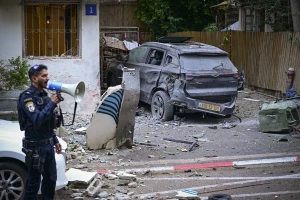
While Passover celebrates the liberation of the Jewish people, Nowruz celebrates life’s renewal. Both holidays, arriving with the spring equinox, reflect enduring human themes of hope, freedom, and new beginnings – even amid the highest tension between Israel and Iran this year.
You might also like to read this: