Rocket strike in Kiryat Shmona fuels concerns over fragile Israel-Hezbollah ceasefire



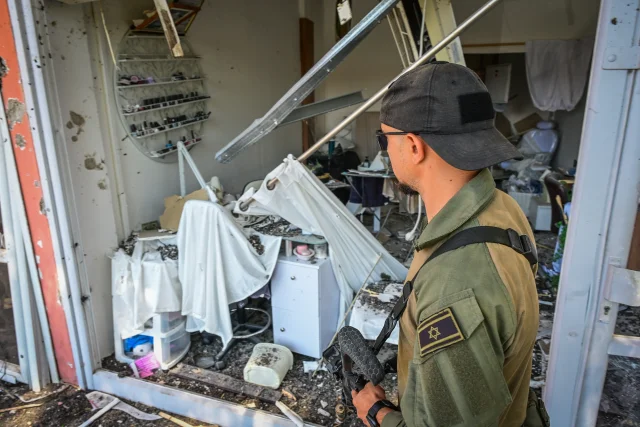
Residents of northern Israel said on Saturday morning that continued Hezbollah rocket attacks against Israeli communities highlight what they described as the fragility of the ceasefire agreement.
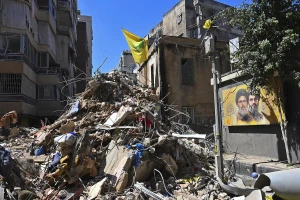
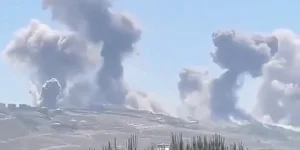
Officials in the northern town of Kiryat Shmona said the latest rocket barrage caused significant property damage and forced civilians back into shelters. Sirens were also activated in the border communities of Metula, Misgav Am and Margaliot.
Doron Shnaper, spokesman for the Kiryat Shmona municipality, addressed residents in a video statement, which began, “It is 4 a.m. Again, barrages on Kiryat Shmona.”
“We are after a barrage of 10 launches from Lebanon. Nine were intercepted and one rocket fell right here in the city center. There is very heavy damage to stores and businesses. Fortunately, there are no physical injuries. It was late and the businesses were closed,” he continued.
The Lebanese terrorist group Hezbollah, which openly calls for Israel’s destruction, launched an attack on the Jewish state in early March. The IDF responded with massive military strikes against Hezbollah targets across Lebanon.
Israel also launched a military ground operation to end Hezbollah’s presence in southern Lebanon, which threatens northern Israeli communities. In April, Israel and Lebanon agreed to a U.S.-backed ceasefire, which was recently extended by an additional 45 days despite Hezbollah's ongoing attacks on Israeli soldiers and civilians.
Shnaper dismissed the ceasefire as detached from reality, saying it does not reflect conditions on the ground in northern Israel.
“Residents entering safe rooms and shelters, businesses and stores destroyed? This is the collapse of the ceasefire. A ceasefire that does not exist. There is no ceasefire – not in Kiryat Shmona and not in the north; only in Beirut and Lebanon. Someone should take responsibility for this. We are not sitting ducks,” he said, referring to U.S. political pressure on Israel to avoid striking Hezbollah targets in the Lebanese capital amid ongoing talks between Washington and Tehran.
A local Israeli business owner, Dror Mosseri, described the situation in an interview. “We observe Shabbat, but the sirens jolted us awake, the whole house,” he told Ynet News. “A few moments later, we realized it had fallen here near us. The force was enormous. I thought it was in the yard, in the backyard. It is heartbreaking.”
The latest Hezbollah attack came just one hour after Israeli and Lebanese officials concluded ceasefire talks hosted by the Pentagon. The Lebanese network Al Mayadeen, which is affiliated with Hezbollah, quoted an unnamed Lebanese source who reportedly said that Lebanese negotiators “did not receive its demand for an actual ceasefire.”
In March, the Lebanese government outlawed Hezbollah’s military activities after accusing the terror group of dragging Lebanon into a war with Israel and prioritizing the interests of the Iranian regime over Lebanon’s national interests. However, the Lebanese government has so far been unable or unwilling to prevent Hezbollah from launching attacks against Israel.
Meanwhile, Iran has reportedly pushed for any agreement in its talks with the Trump administration to include a ceasefire covering Lebanon as well. Tehran says it wants protection for its regional allies, including Hezbollah, as part of the broader negotiations.
As a deal between Washington and Tehran appears close, Israel is seeking to preserve its freedom to operate against Hezbollah in Lebanon and prevent the group from rearming or continuing attacks on Israeli forces and civilians.
You might also like to read this: