Mimouna: The festive finale to Passover



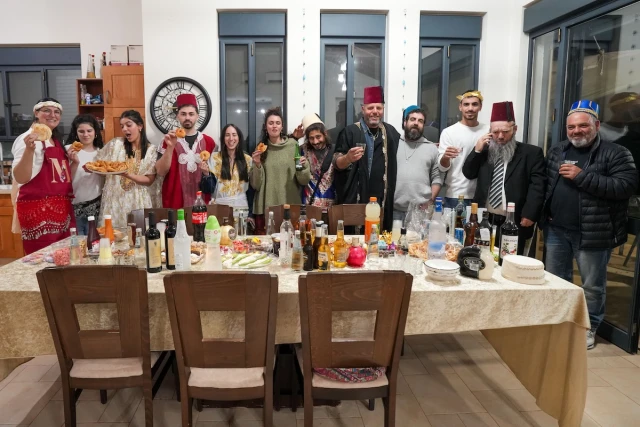
Often associated with Moroccan Jews, Mimouna is a festive celebration marking the end of Passover, observed by Maghrebi Jewish communities from across North Africa.
It’s not unusual for Ashkenazi Jews to seek out Mimouna celebrations after crunching through the week-long Feast of Unleavened Bread, as they are some of the most lively and vibrant celebrations in Israel, not to mention the delicious delicacies that are part of the tradition.
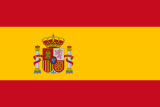
No one is quite sure how it all started, but three suggestions crop up repeatedly: one involves the famous 12th-century Sephardic rabbi Moses ben Maimon, also known as Maimonides or the Rambam. Some say Mimouna is named after him and the profound influence he had, since he was born in Spain but also lived and worked in Morocco and Egypt, leaving a legacy throughout the entire Jewish world. Others contend it comes from the Arabic word “ma’amoun” (مأمون), which means trusted, secure, and protected by God –connected to ideas of good fortune, while others say it comes from the Hebrew word “amouna” (אמונה) from the same root word, which means faith.
Wherever it came from, it seems it all started sometime around the 1600s and involves copious amounts of decadent and sweet foods, including traditional “moufleta” crêpe-style pancakes, served warm and slathered with honey and butter. The table will be heaving with all manner of sweets and delights that were off limits during the Passover holiday.
In the predominantly Muslim North African countries of Morocco, Tunisia, Algeria, and Libya, Maghrebi Jews would often pass their flour and leavened products to their Muslim neighbors for the week, who would then return the favor by bringing flour for Mimouna feasts. As Association Mimouna states, “Jewish families often invite their Muslim neighbors, who, among other things, bring bread to join the festivities.”
Today, there are not many Jews left in Muslim countries, although some 3,000 remain in Morocco. There are around a million Moroccan Jews in Israel, and Mimouna is also celebrated in Maghrebi households in countries such as France, Canada, and the U.S.
“Mimouna is the most cherished celebration from my upbringing, and the one that I am most proud to continue celebrating today,” Rabbi Daniel Bouskila, director of the Sephardic Educational Center, told Reboot magazine. “Its message of blessings, neighborly relations, inclusion and sweetness is a counter to the individualized lifestyle many have adopted today.”
He added, “I’ve never heard of or seen any other celebration like it, where we open our doors to everyone – neighbors, friends, Jews, non-Jews – without formal invitations. We eat, dance, sing and greet each other with warmth and smiles. No trauma, no stories of persecution, just a Judaism of warmth and sunshine. It doesn’t get any better."
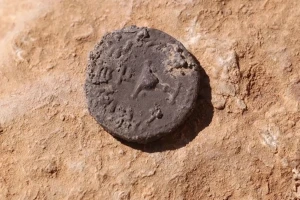
Moroccan Jewish culture is often associated with a strong tradition of protective symbols and good-luck customs, such as the "hamsa" hand used against the "evil eye." At Mimouna, the number five frequently appears as a symbol of fortune and protection, with tables sometimes displaying groups of five items – such as fava beans, dates, or silver coins.
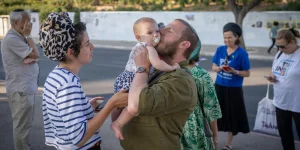
During Mimouna, people greet one another with "tirbechu utisadu," meaning roughly "mingle and dine," a nod to the custom of visiting from house to house to share in one another’s feasts. While differing levels of Passover observance can make such visits difficult during the holiday, they become a central part of the celebration once it ends, often extending into barbecues the following day.
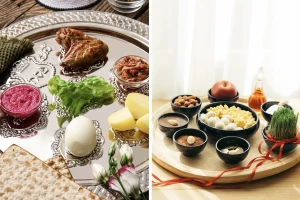
Marzipan-filled dates, pistachio-rosewater cookies, cinnamon couscous, shots of arak, and sweet mint tea are all part of the traditional spread, accompanied by cheerful and high-energy Moroccan-style music and dancing. Tables are decorated with flowers, wheat stalks, and sometimes live fish in bowls, much like the Iranian new year celebration of Nowruz.
In Israel, Ashkenazi Jews are also often eager to get in on the action. Typically, posts asking if anyone knows of any Mimouna parties start popping up on social media groups as the week of Passover comes to a close. Mimouna has spread from being limited to private homes to becoming a national celebration in Israel, gathering as many as 100,000 people in Jerusalem’s Sacher Park, and is often featured in special events.
Openness, connection, and friendship are all part of the Mimouna tradition – not only between different streams of Judaism but also with non-Jewish neighbors.
You might also like to read this: