Let my people go: a Passover message for today





Hay mucho contenido en esa famosa frase: «¡Deja ir a mi pueblo!». En la historia del Éxodo, Moisés repite este mensaje al faraón varias veces, pero en hebreo, el verbo es mucho más dinámico. La orden no es simplemente permitir pasivamente que los israelitas se vayan; es enviarlos activamente. Moisés estaba diciendo, en esencia: «¡Envía a mi pueblo!» (Shalach et ami! – מיִּעַ את־ֶ לחַּשַׁ(.¿ Enviarlos adónde? ¿Para qué? Exactamente.
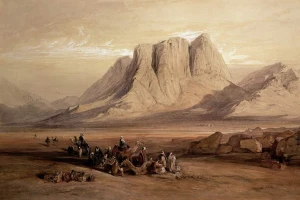
Dios le dijo a Moisés que debían ir a adorarlo en esa misma montaña. De hecho, esa sería la señal del éxito: «Yo estaré contigo», dice el Señor. «Y esta será la señal para ti de que yo te he enviado: cuando hayas sacado al pueblo de Egipto, serviréis a Dios en esta montaña» (Éxodo 3:12).
El propio Moisés fue enviado en una misión, cuya perspectiva evidentemente lo ponía bastante nervioso. El desafío era inmenso. Moisés no solo tenía que convencer de alguna manera al rey de Egipto para que liberara a su mano de obra gratuita, sino que también tenía la formidable tarea de unir al pueblo de Israel y conseguir que se sumaran al plan.
En su encuentro con Dios en la zarza ardiente, Moisés necesitaba mucho ánimo para asumir esta tarea titánica. Preguntó quién debía decir que lo había enviado. La respuesta de Dios fue decirle: «YO SOY me ha enviado a ti» (Éxodo 3:14). Así que Moisés fue enviado al pueblo, y ahora tenía que conseguir que el faraón dejara salir al pueblo de Egipto.
En cierto modo, entonces, la historia de la Pascua es una historia de envío. No solo la liberación y el rescate de los horrores de la esclavitud, sino el ser enviados en una misión con un propósito y un destino.
«Moisés y Aarón fueron y le dijeron al faraón: “Así dice el Señor, el Dios de Israel: ‘Deja ir a mi pueblo [envía a mi pueblo], para que me celebren una fiesta en el desierto’» (Éxodo 5:1).
Ese era el objetivo. Esa era la comisión. Ser el pueblo de Dios y adorarlo.
El pueblo llegó a esa montaña, tal y como Dios le había prometido originalmente a Moisés, para servirle. Pero había más. Mientras que Dios afirma en Éxodo 6 que está sacando a los israelitas de Egipto para que sean su pueblo, Isaías 43 lo aclara aún más: Israel es un pueblo que Dios creó y formó para sí mismo, para sus propósitos:
«Pero ahora así dice el Señor, el que te creó, oh Jacob, el que te formó, oh Israel: “No temas, porque yo te he redimido; te he llamado por tu nombre, tú eres mío. Cuando pases por las aguas, yo estaré contigo; y por los ríos, no te cubrirán”» (Isaías 43:1-2b).
Dios había creado un pueblo con un propósito y ellos atravesaron esas aguas. Más adelante, en el versículo 21, dice: «El pueblo que formé para mí, para que anunciara mi alabanza».
Israel debía ser un testimonio para el mundo acerca de quién es Dios y lo que Él ha hecho. Dios creó a Israel, lo sacó de Egipto y lo envió en una misión para bendecir a todas las demás naciones de la tierra:
«Yo soy el Señor; te he llamado en justicia; te tomaré de la mano y te guardaré; te daré como pacto para el pueblo, como luz para las naciones» (Isaías 42:6).
Dios repite este llamamiento, esta comisión, varias veces. Israel debe ser una luz para las naciones, un pueblo que proclame su alabanza y una bendición para todas las familias de la tierra (véase, por ejemplo, Génesis 12:3, Isaías 19:24, 49:6, 60:3 y Romanos 11:12).
Así que cuando Moisés se presentó ante el faraón, eso era lo que exigía. ¡Libera y envía al pueblo de Dios a su destino! Y qué destino ha sido.
«Son israelitas, y a ellos pertenecen la adopción, la gloria, los pactos, la entrega de la ley, el culto y las promesas. A ellos pertenecen los patriarcas, y de su raza, según la carne, es el Mesías, quien es Dios sobre todo, bendito por los siglos. Amén» (Romanos 9:4-5).
Y aún no hemos terminado.
Israel sigue siendo el centro de atención hoy en día, a medida que los propósitos de Dios para el mundo continúan desarrollándose, pero hay otro pueblo en el punto de mira en este momento que está a punto de ser enviado, incluso catapultado, hacia su destino dado por Dios: el pueblo de Persia. Parece que estamos viendo cómo Jeremías 49 se cumple en tiempo real. Los iraníes realmente se han dispersado por todo el mundo, los líderes están siendo destituidos sumariamente y el arco de la batalla está siendo quebrado, tal como Dios dijo a través de su profeta Jeremías.
La difícil situación de los iraníes de a pie que claman por la libertad es una que pide a gritos otra liberación al estilo del Éxodo. Con la ayuda de Dios, están a punto de ser liberados, puestos en libertad y «enviados» de una manera que impactará al mundo entero. Dios ha dicho que establecerá Su trono en Elam, una provincia de Persia, y aunque ninguno de nosotros sabe muy bien cómo será eso, sin duda será algo bueno. Pero necesitamos un milagro a la altura de la Pascua.
La Pascua es una historia de envío. No solo de liberación y rescate, sino de ser enviados en una misión.
Esta Pascua podemos orar para que las fuerzas del mal «dejen ir al pueblo de Dios» («¡Shalach et ami!»). Para que el pueblo de Israel avance más en el llamado y el destino de Dios, para que el pueblo de Irán se libere y alcance el suyo, y ya que estamos, podemos ofrecernos para los propósitos de Dios y orar: «¡Aquí estoy, Señor, envíame!».
You might also like to read this: