Iran & Russia use Caspian Sea port as strategic resupply route for drones & trade – report
Port targeted by Israel in March helps evade sanctions, minimize impact of Hormuz closure




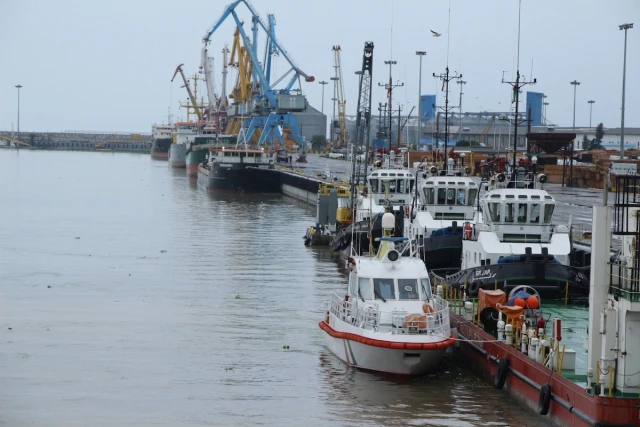
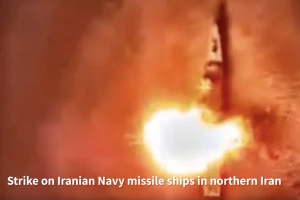
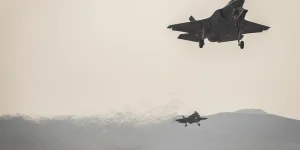
A recent New York Times (NYT) article sheds further light on one of the most unusual strikes carried out by the IDF during Operation Roaring Lion in mid-March, and which hit several Iranian vessels in the Caspian Sea.
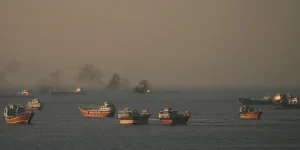
The strike targeted Iranian ships and infrastructure at the Bandar Anzali port on the Caspian Sea – far from Iran’s main naval bases and commercial ports on the Persian Gulf, and initially seen as a less strategically significant target.
At the time, the IDF called the strike “one of the most significant strikes carried out by the IDF since the start of Operation Roaring Lion.” It destroyed missile ships containing air defense systems and anti-submarine missiles, along with Iranian Navy support vessels and patrol boats. Analysts noted that the port was a key hub for the transfer of military assets between Iran and Russia.
The NYT noted that Iran and Russia have used the Caspian Sea waterway for overt and covert trade, and cited a U.S. official who claimed that Russia is shipping drone components to Iran via the Caspian Sea to help replenish its depleted drone supply.
At the same time, Iran is reportedly increasingly relying on Caspian Sea trade routes as an alternative channel for non-oil commerce following disruptions to shipping through the Strait of Hormuz caused by the U.S. naval blockade.
According to Mohammad Reza Mortazavi, the head of the Federation of Iranian Food Industry Associations, Iran is actively rerouting essential food imports through the inland sea, including shipments of Russian wheat.
Nicole Grajewski, a professor specializing in Iran and Russia at Sciences Po in Paris, said the Caspian Sea is particularly suited for trade that could potentially circumvent U.S. and European sanctions on Iran and Russia because of its landlocked geography.
“If you’re thinking about the ideal place for sanction evasion and military transfers, it’s the Caspian,” she said.
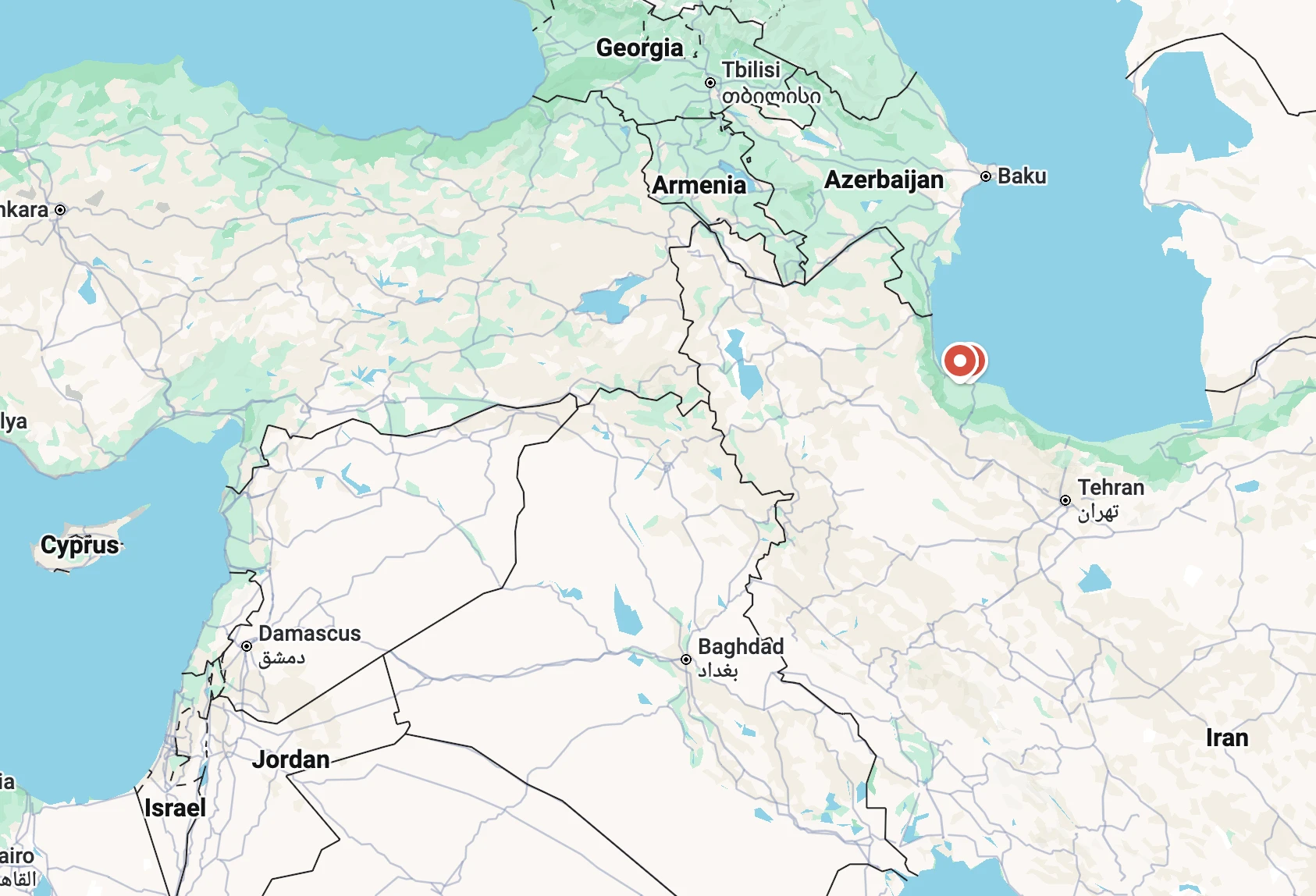
The United States has no military presence in the Caspian Sea, and ships traveling between Russia and Iran regularly turn off their transponders, cutting them off from satellite tracking. In recent years, with tight U.S. sanctions against both Russia and Iran, the Caspian has become strategically important for Iranian-Russian trade, helping both countries limit Western interception of sanctioned goods.
The Caspian is also part of a larger planned trade corridor running from the Baltic Sea to the Indian Ocean, bypassing Western-controlled trade routes.
The U.S. blockade of the Strait of Hormuz has made the need for such a route even more urgent, particularly for Iran. Alongside efforts to export goods via the Caspian Sea – though limited by its shallow depth – Iran has also sought to expand overland trade routes, including requesting that Pakistan open land corridors to facilitate container shipments.
While Pakistan has reportedly opened at least six such overland trade routes, they are currently unable to handle sufficient volumes of traffic to compensate for the loss of shipping through the Strait of Hormuz. The rugged terrain along much of the Iran-Pakistan border makes expanding overland routes a challenge.
The U.S. has limited options for restricting trade through the Caspian and, because of the ceasefire, the likelihood of an Israeli strike on traffic through the sea, even if carrying drone parts, remains low. However, should hostilities resume, a repeat of Israel's strike in March is possible.
Anna Borshchevskaya, an expert on Russia’s Middle East policy at the Washington Institute, told the NYT, “Russia and Iran have found ways around the sanctions regime. And that’s exactly why the Israelis bombed the port. Because they understood that through this small, very important trade route, Russia can provide a lot of help to Iran.”
You might also like to read this: