








IAEA has not inspected Iran’s nuclear facilities since Iran war began – report
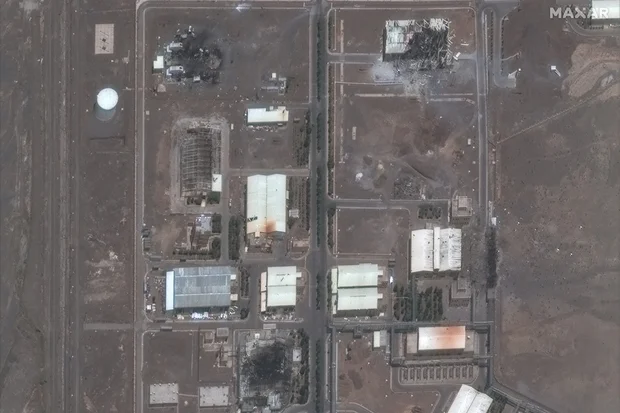
An International Atomic Energy Agency (IAEA) report circulated among member states and reviewed by the Associated Press states that the UN nuclear watchdog lacks updated information on Iran's enriched uranium stockpile. According to the report, published on Thursday, the IAEA has been unable to conduct inspections at Iranian nuclear facilities impacted by last June's war and is consequently "unable to discharge its safeguards responsibilities."
The IAEA reported that it “cannot provide any information on the current size, composition or whereabouts of the stockpile of enriched uranium in Iran or whether Iran has suspended all enrichment-related activities,” and emphasized that it is “indispensable and urgent” for Iran to implement its obligations under the Treaty of Non-Proliferation (NPT) international agreement.
In November 2025, the IAEA Director Rafael Grossi urged Tehran to comply with the NPT or risk deteriorating ties with Western nations. “You cannot say, ‘I remain within the Non-Proliferation of Nuclear Weapons Treaty’ and then not comply with obligations,” Grossi said at the time.
The Iranian regime has violated the treaty by denying IAEA inspectors access to most Iranian nuclear facilities. One exception was the Bushehr nuclear plant, which IAEA inspectors reportedly visited on June 1-3. The plant operates with uranium from Russia enriched to only 4.5%.
Iran has consistently denied seeking to develop nuclear weapons, maintaining that its nuclear program is intended solely for civilian purposes. However, the country has enriched uranium to 60% purity, a level that is close to the 90% enrichment generally considered weapons-grade and for which there are limited civilian applications.
According to the IAEA's most recent assessment, Iran possesses a stockpile of 440.9 kilograms (972 pounds) of uranium enriched up to 60% purity. Grossi told the Associated Press that that amount of highly enriched uranium could, if further enriched, be sufficient for as many as 10 nuclear weapons. At the same time, Grossi did not suggest that Iran has already developed or acquired nuclear weapons.
The new IAEA report noted that Grossi gives his “full support to the negotiations underway aimed at finding a mutually acceptable solution to issues related to Iran’s nuclear program, and his readiness … to support an eventual agreement.”
According to a recent Bloomberg News report, the IAEA has indicated that concerns surrounding Iran's nuclear program may be greater today than before the U.S.-Israeli strikes on Iranian nuclear facilities in June 2025. The agency said it is no longer able to "draw any conclusion regarding this nuclear material" because its inspectors have been unable to access the relevant Iranian sites.
“This gives rise to a proliferation concern as this nuclear material, which the agency was not able to verify, includes a large amount of high-enriched uranium,” the report warned.
Popular article:

interview Easter message of resurrection hope amid war at Jerusalem's Garden Tomb

biblical commentary Let my people go: a Passover message for today
4 IDF soldiers killed, 2 wounded in fighting in southern Lebanon, as Israel eliminates dozens of Hezbollah terrorists
Receive latest news & updates
A message from All Israel News
Help us educate Christians on a daily basis about what is happening in Israel & the Middle East and why it matters.
For as little as $10, you can support ALL ISRAEL NEWS, a non-profit media organization that is supported by readers like you.
Latest articles:
Israeli defense companies expand global reach with new deals in Cyprus, Germany and Canada
Netflix’s ‘The Diplomat’ appears to pay tribute to slain Israeli hostage Hersh Goldberg-Polin

IDF kills Hamas terrorists involved in abduction of German-Israeli Shani Louk on Oct 7

Hungary reaffirms ties with Israel during Herzog visit, condemns antisemitism
Elections 2026 IDF soldiers begin voting as poll shows most Israelis have settled on a party