Hezbollah threatens Lebanon’s president over potential peace talks with PM Netanyahu




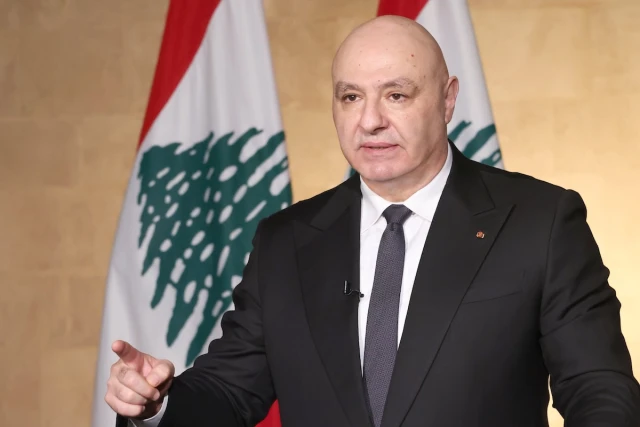
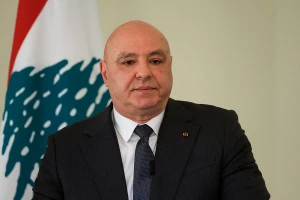
A senior Hezbollah official on Friday warned Lebanon’s president, Joseph Aoun, against meeting with Israel’s prime minister, as the United States pushes for potential peace talks between the two countries, including a possible high-level meeting at the White House.
Hezbollah official Nawaf al-Moussawi, who oversees the group’s resources and borders portfolio, warned that Aoun would risk losing his position if he were to meet Israeli Prime Minister Benjamin Netanyahu at the request of U.S. President Donald Trump.
Al-Moussawi also said that “legitimacy comes from within Lebanon, not from outside.”
Who said the Sunni majority in Lebanon – from which Prime Minister Nawaf Salam comes – would agree to sign a peace agreement with Israel?” he added.
The Hezbollah official's comment signals that the Iranian-backed terror group still has considerable military and political influence within Lebanon.
The U.S.-brokered 10-day ceasefire between Lebanon and Israel officially went into effect on Thursday, following significant political pressure from Trump to end the fighting between Hezbollah and Israeli forces.
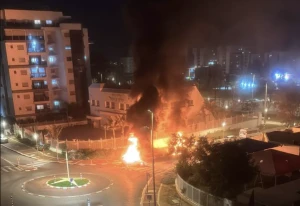
Hezbollah attacked Israel in early March after Israel and the U.S. eliminated Iran's Supreme Leader Ali Khamenei and dozens of other top Iranian leaders in the opening strike of the Iran war on Feb. 28.
Al-Moussawi claimed that the Iranian regime had secured the ceasefire by linking Israel's conflict with Lebanon to the Iran war. However, he emphasized that the group’s goal is not a ceasefire but “a complete withdrawal of the Israeli army and the unconditional return of displaced Lebanese.”
“Not a single Israeli soldier will remain in southern Lebanon,” he insisted.
Israel Defense Forces has assessed that it has killed more than 1,500 Hezbollah operatives since the fighting began in early March, although other estimates have been significantly lower. While not denying the group’s losses, al-Moussawi claimed that each operative who is killed is replaced by two new recruits, arguing that the losses have had “no effect” on Hezbollah’s fighting capabilities.
He also said Hezbollah had “changed all its methods and now communicates through ‘carrier pigeons,’” likely referring to Israel’s pager attack against Hezbollah in September 2024, which wounded or killed as many as 3,000 operatives in Lebanon.
On Thursday, Aoun welcomed the U.S.-brokered ceasefire, which he described as “the result of great efforts at all levels.”
“We are confident we will save Lebanon. Negotiations do not mean, and have never meant, relinquishing any rights. I affirm, as a commitment and a promise, that there will be no agreement that harms even a small part of the nation’s land. Do not allow voices of doubt and betrayal to sow division. We will rebuild the nation hand in hand. All Lebanese are in the same boat,” Aoun said in an official statement.
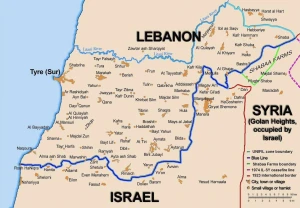
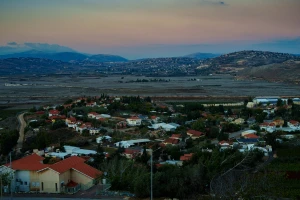
Meanwhile, Israeli forces continue to control a significant portion of southern Lebanon and have established a de facto security zone that extends about 10 kilometers (6 miles) deep into the country. Jerusalem says it will not withdraw its forces until Hezbollah is disarmed and no longer poses a security threat to the Jewish state.
Netanyahu confirmed in a statement that Israel had agreed to Trump’s ceasefire proposal in Lebanon.
“At the request of my friend President Trump, with whom we changed the Middle East and achieved tremendous accomplishments, we agreed to a temporary ceasefire in Lebanon. At his request, we are giving an opportunity to advance a combined diplomatic and military solution with the Lebanese government,” Netanyahu stated.
However, he added that “disarming Hezbollah will not happen tomorrow. It requires a sustained effort, patience and careful navigation in the diplomatic arena.”
You might also like to read this: