15 defining moments that influenced Israel since last Independence Day
.jpg "Maayan Hoffman")




Although, technically, the same 12 months have passed between last Independence Day and this one, the year feels anything but ordinary. In that short span, Israel has experienced a series of moments that reshaped its security, its society, and its sense of itself.
All Israel News looked back to last year’s Independence Day, which took place from sunset on Wednesday, April 30, to nightfall on Thursday, May 1, 2025. The holiday is always marked on the 14th of the Hebrew month of Iyar. From that point until now, the pace and weight of events have been striking.
The following is a list of 15 events that impacted Israel. Fifteen reflects the numbers seven and eight, together symbolizing the 78 years of Israel that we will celebrate this week. There were, of course, many other developments over the past year, but these are the ones we have chosen to highlight.
Many are military in nature. The past year, marking the third year of war since the October 7, 2023 attack, has been defined by a scale and intensity of military activity perhaps not seen in decades.
1 - Independence Day Wildfires
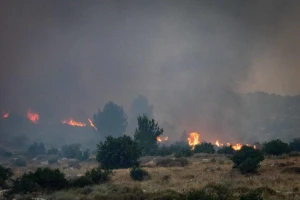
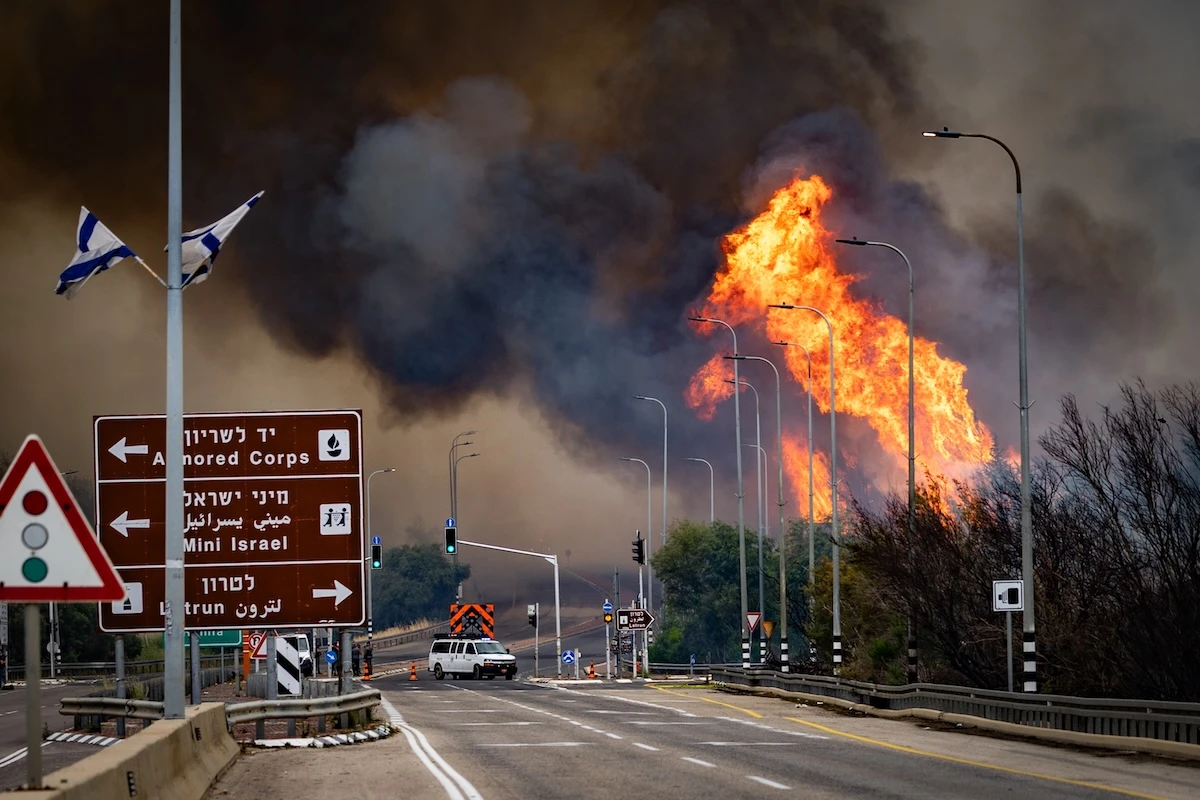
The year began dramatically, as massive wildfires broke out near Jerusalem on Wednesday, April 30, forcing the country to cancel all Independence Day national programming, including the torch-lighting ceremony.
Roads across the area were shut down, including Highway 1, the main thoroughfare between Jerusalem and Tel Aviv. Many people were forced to evacuate their homes, while heavy, dense smoke filled the skies, creating dangerous breathing conditions.
More than 100 people were injured, according to Magen David Adom, as flames spread across the region. Thousands of acres of forest were burned, according to the Jewish National Fund.
2 - Houthis Hit Ben-Gurion Airport
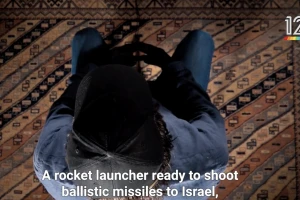
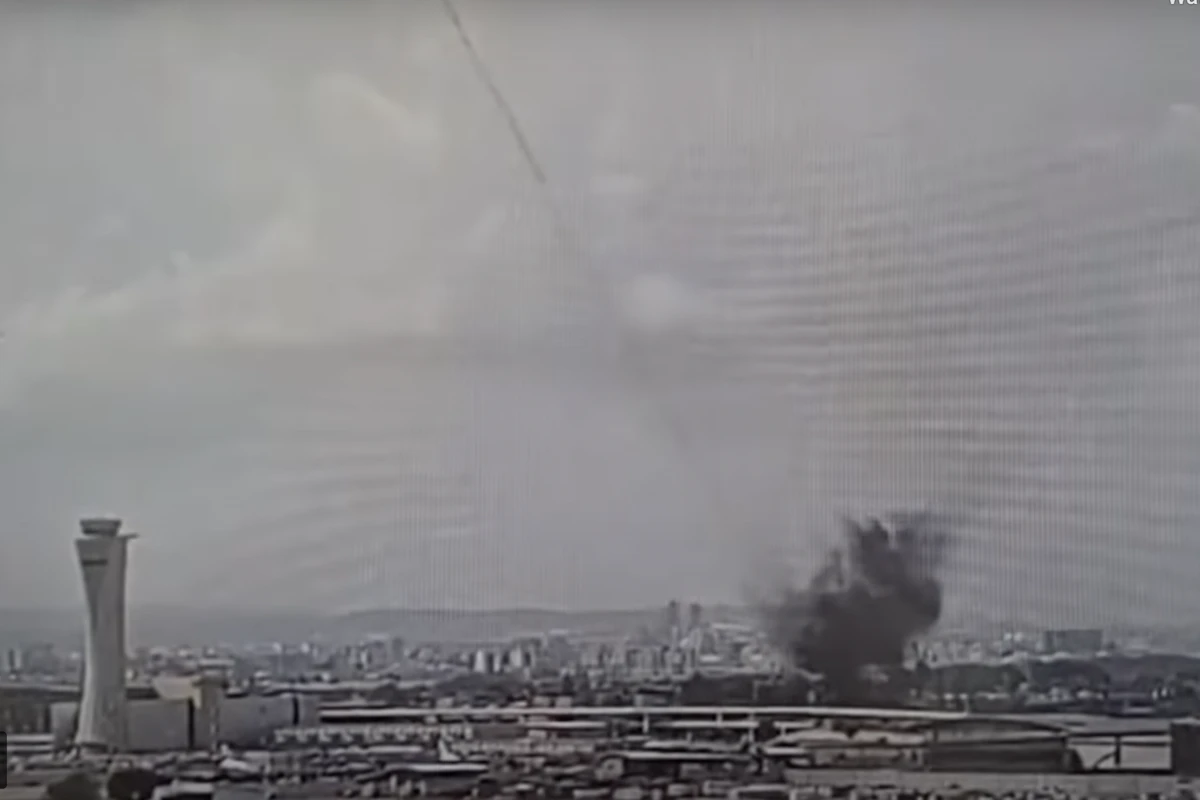
A missile fired by Yemen’s Houthi terrorist organization landed near Israel’s Ben-Gurion Airport, temporarily shutting down the facility and bringing air traffic to a halt. The incident sparked panic among Israelis and underscored the growing sense of vulnerability.
The missile specifically struck the perimeter of the main terminal, leaving a large crater and damaging a road and a vehicle. In response, Israel carried out retaliatory strikes in Yemen following the incident.
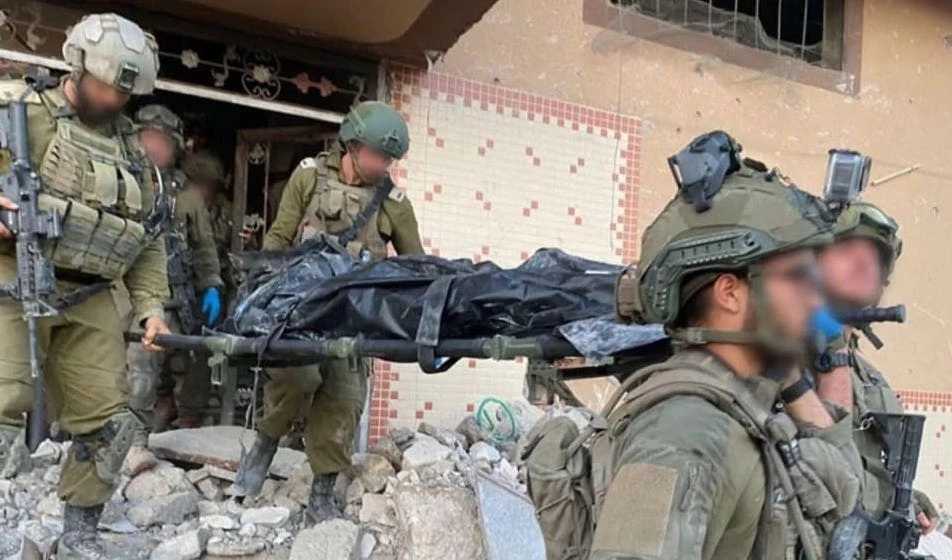
3 - Fallen Soldier Tzvi Feldman Is Recovered
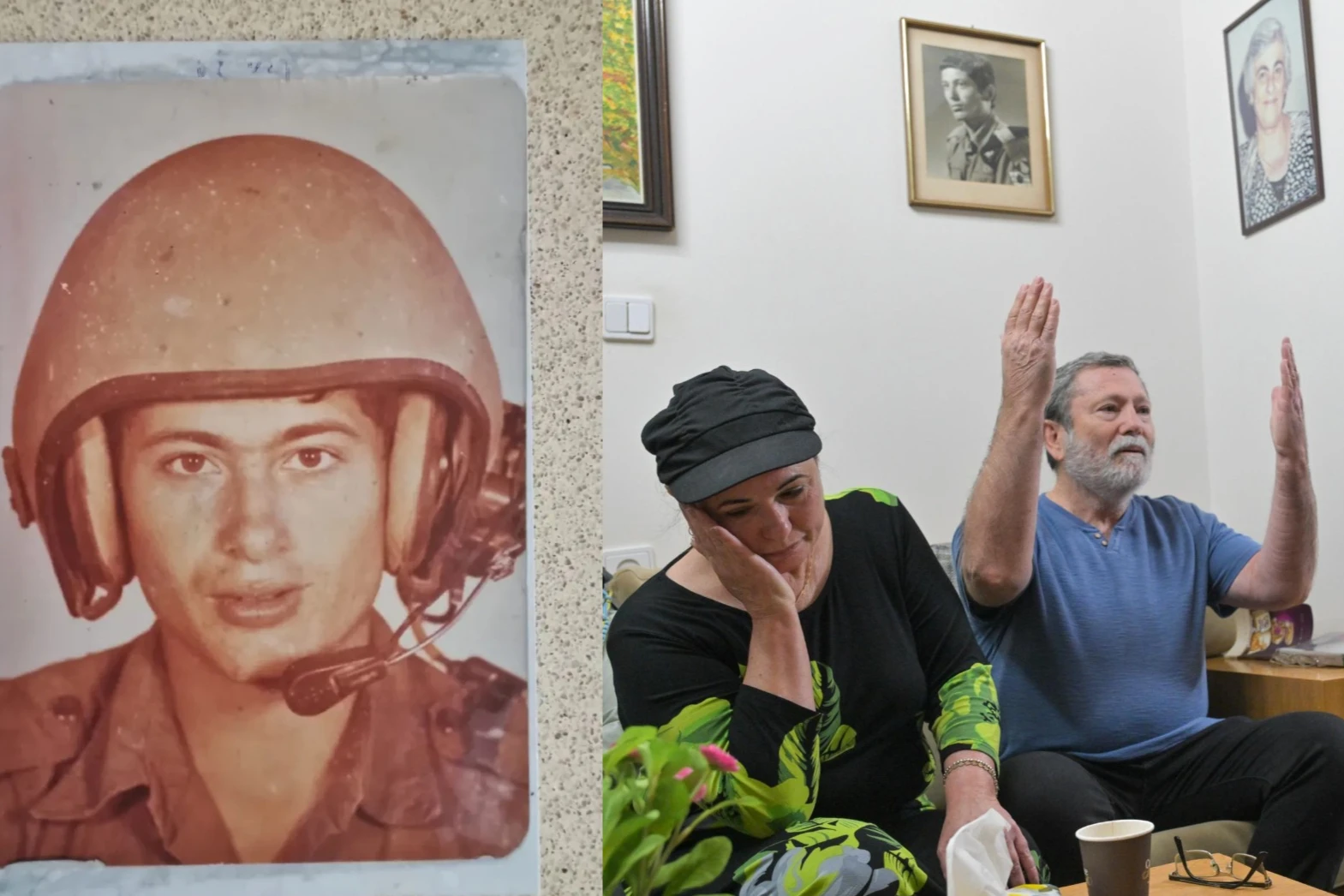
After more than four decades, Israel recovered and returned the body of missing soldier Sergeant First Class Tzvika Feldman. His remains were retrieved from Syria in a joint operation by the IDF and the Mossad.
Feldman fell in the Battle of Sultan Yacoub in June 1982, during the First Lebanon War, which left several soldiers missing in action, including Sergeant First Class Yehuda Katz, who is still missing. The body of Sergeant First Class Zecharia Baumel was returned about seven years ago.
Prime Minister Benjamin Netanyahu visited Feldman’s siblings to share the news, as his parents had already passed away. During that meeting he said, “For many years, I have approved many secret operations to locate the MIAs from Sultan Yacoub, and I promised the Feldman family that I would not stop taking action to bring Tzvi back home… In the words of the prophet Jeremiah (31:16): 'There is hope for the future says the Lord, and your children shall return to their own border.'”
4 - Israel Assassinates Hamas Leader Mohammed Sinwar
In May 2025, the IDF announced that it had likely assassinated Hamas leader Mohammed Sinwar during an airstrike on underground infrastructure near the European Hospital in Khan Younis.
His death was confirmed months later, in August, by Hamas. Mohammed Sinwar had taken over as the de facto leader of the Hamas terror group in Gaza following the assassination of his brother, Yahya Sinwar, in July the year before.
Yahya Sinwar was the mastermind of the October 7 massacre.
5 - Israel Wins Eurovision Public Vote
Israel’s Yuval Raphael won the public televote at the 69th Eurovision Song Contest 2025 in Basel, held between May 13 and 17 last year.
Raphael, who was 24 at the time and had survived the Nova music festival massacre, sang a song titled “New Day Will Rise.” The Ra’anana resident survived the massacre by playing dead and hiding under a pile of bodies in a roadside bomb shelter for hours. She was ultimately rescued with shrapnel embedded in her leg.
Raphael received 297 televote points. However, she received only 60 jury points and was placed 14th in the jury vote, bringing her total to 357 points and earning her second place overall, behind Austria.
Several countries had pushed to keep Israel out of the competition. During Raphael’s performance, there were reported attempts by protesters to rush the stage, along with demonstrations outside the venue.
After Raphael completed her song, she shouted from the stage: “Am Yisrael Chai.”

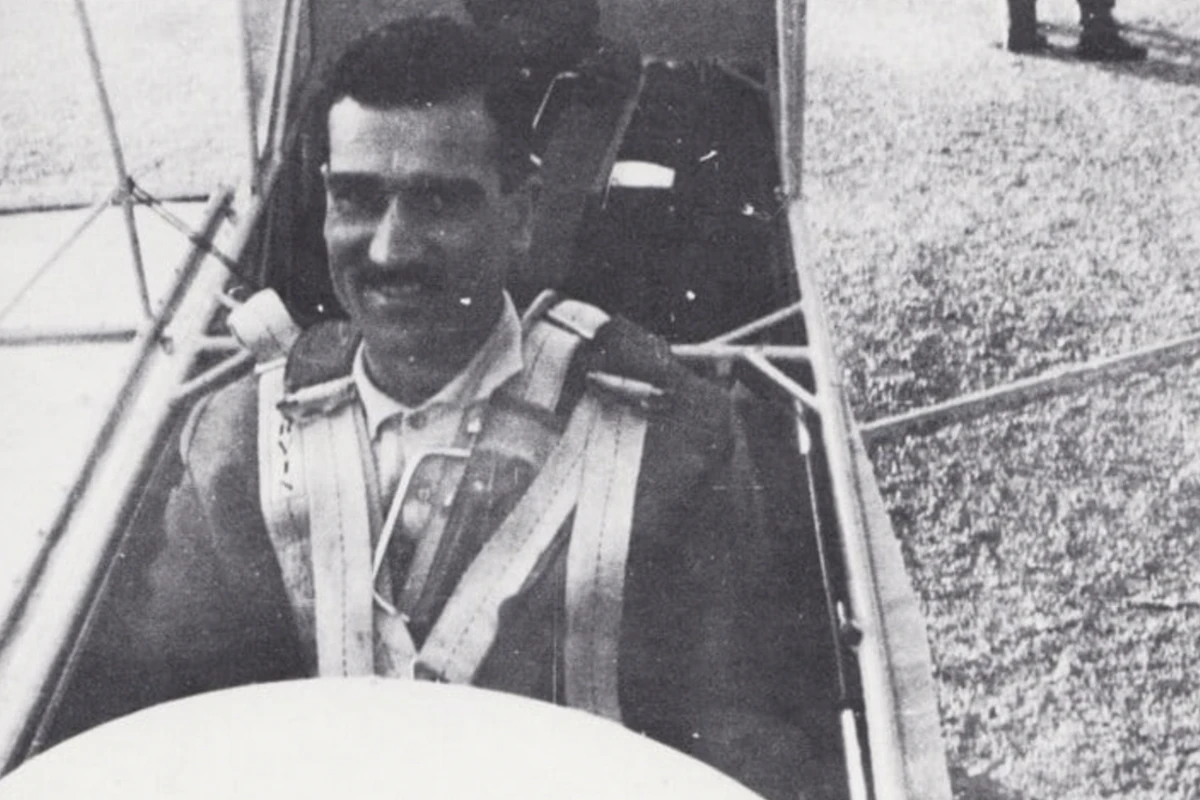
6 - Eli Cohen Archive Is Recovered
The Syrian archive of the legendary Israeli spy Eli Cohen was recovered and brought to Israel in May 2025, 60 years after his execution on May 18, 1965, in a main square in Damascus.
The operation to retrieve the archive was carried out by the Mossad in collaboration with an allied foreign intelligence service.
"Eli Cohen was a legend,” Netanyahu said at the time. “In the test of time, he has been revealed as the greatest intelligence agent in the annals of the state; his heroism and his activity contributed to our historic victory in the Six-Day War.”
The archive contains around 2,500 original documents, photographs, and personal items, according to the Foreign Ministry. These include recordings and documentation from the investigation into Cohen, materials on individuals he had been in contact with, letters in his own handwriting to his family in Israel, photographs from his operational mission in Syria, and personal belongings taken from his home after his capture.
Cohen’s remains have still not been returned to Israel.
7 - Israel Approves 22 Additional Communities in Judea and Samaria
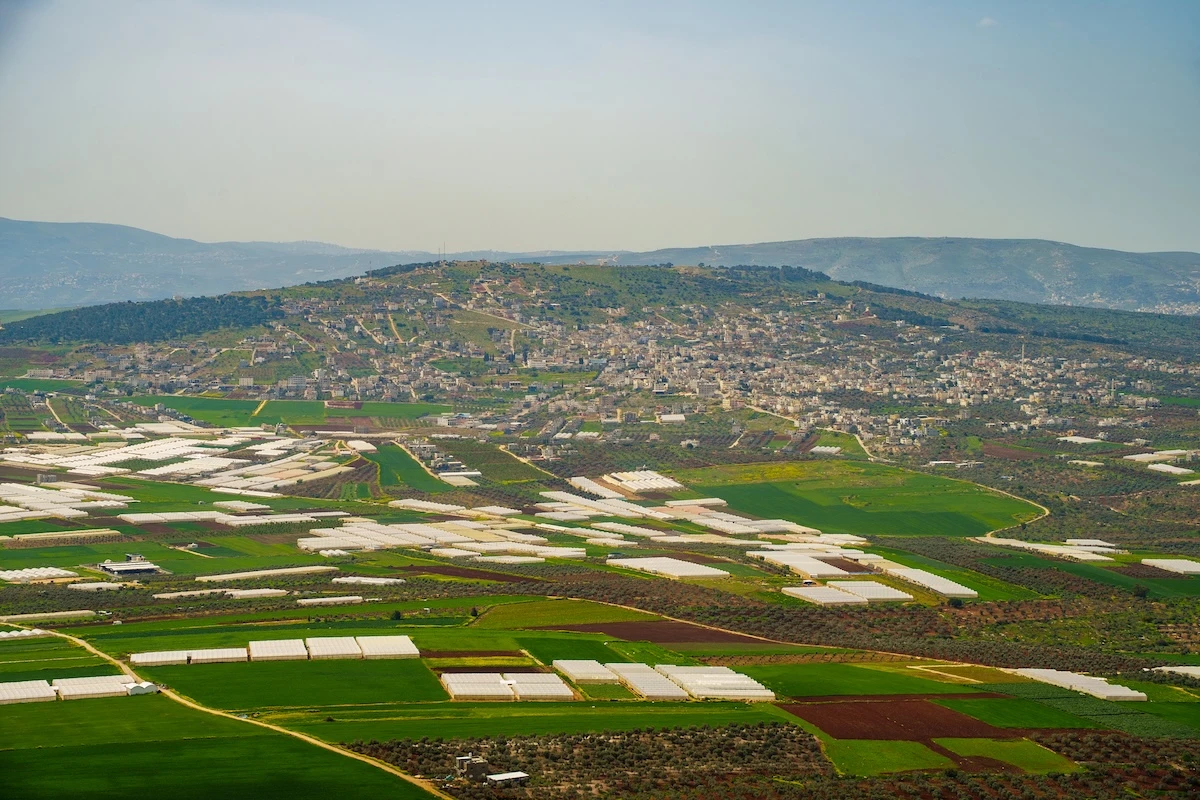
In one of the largest expansions in Area C, the Israeli-designated Jewish area of Judea and Samaria, the Cabinet approved the establishment of 22 new communities at the end of May 2025.
The plan includes 12 existing outposts and 10 new communities, spread across the region from the Jordan Valley to Jenin. The list includes: Nofei Prat, Elnaveh, Maoz Zvi, Sa-Nur, Maalot Halhul, Afeka, Yonadav, Mitzpe Ziv, Ir Hatmarim, Kedem Arava, Gadi Camp, Gvionit, Tevez, Rehavam, Mt. Ibal, Homesh, Atarot Eder, Beit Horon North, Inbar, Ahiya, Adei Ad, and Havot Yair.
Area C makes up about 60% of Judea and Samaria.
8 - Israel Launches Operation Rising Lion
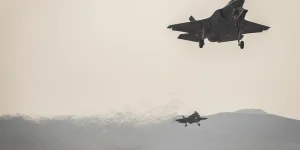
On June 13, 2025, following two major attacks by Iran against Israel, the country launched “Operation Rising Lion” in an effort to delay Iran’s nuclear and ballistic missile programs. The 12-day war, as it is commonly referred to, took place between June 13 and 24.
During the conflict, some 28 Israelis were killed in Iranian counterattacks. At the same time, Israel carried out significant strikes on Iran’s nuclear and military sites, as well as targeting key nuclear scientists and personnel.
According to the Institute for National Security Studies (INSS), through precision strikes and intelligence-led operations, Israel destroyed more than 50% of Iran's ballistic missile launchers and critical nuclear research facilities. Israel struck more than 900 targets, damaged nuclear enrichment plants at Natanz and Fordow, and destroyed the uranium reconversion facility in Isfahan.
The IDF also removed key military and scientific figures and destroyed major Iranian command centers, the INSS said, disrupting decision-making chains during the offensive, although much of this infrastructure was rebuilt shortly after the war.
The United States joined the operation in its final days, launching “Operation Midnight Hammer” against Iran’s deepest and largest nuclear sites, reportedly causing extensive damage. The war ended with a ceasefire proposed by the United States.

9 - Israel’s Last Hostages Released from Gaza
On October 13, 2025, the final 20 living hostages held by Hamas were released and returned to Israel after 738 days in captivity.
As the release unfolded, more than 60,000 Israelis gathered in Hostages Square to watch, marking one of the most emotional days in the country’s history.
“We can breathe again,” said the family of Matan Angrest, 22, an Israel Defense Force soldier captured when his tank was attacked by Hamas near the Gaza perimeter fence, on October 7, 2023.
Israel agreed to release 1,718 Palestinian prisoners in exchange for the 20 living and 28 deceased hostages. The remains of the final hostage, Ran Gvili, were recovered in late January 2026.
On October 7, 2023, Hamas captured 251 people. The final hostages were released as part of a ceasefire deal brokered by the United States.
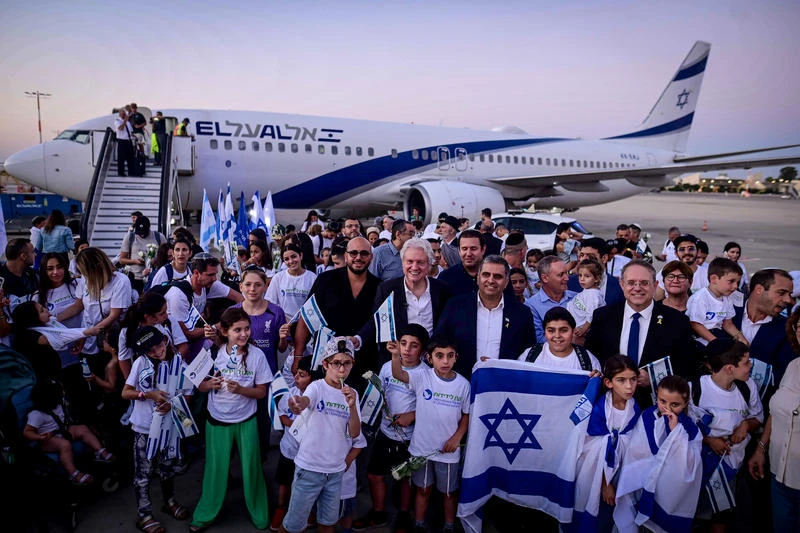
10 - Sharp Drop in Immigration to Israel
After two years of war, immigration to Israel dropped by one-third in 2025, with only 21,900 arrivals, according to the Ministry of Aliyah and Integration. The decline was largely driven by a more than 50% drop in aliyah from Russia.
At the same time, immigration from Western countries facing rising antisemitism increased by nearly a quarter.
The ministry reported a 45% increase in aliyah from France, with around 3,300 immigrants, a 19% rise from the United Kingdom, with approximately 840 immigrants, and a 5% increase from the United States, with about 3,500 immigrants.
The decline in overall immigration has led the government to offer new incentives this year, including sweeping tax breaks that appear to be encouraging a new wave of aliyah.
11 - Israel Launches Operation Roaring Lion Alongside America
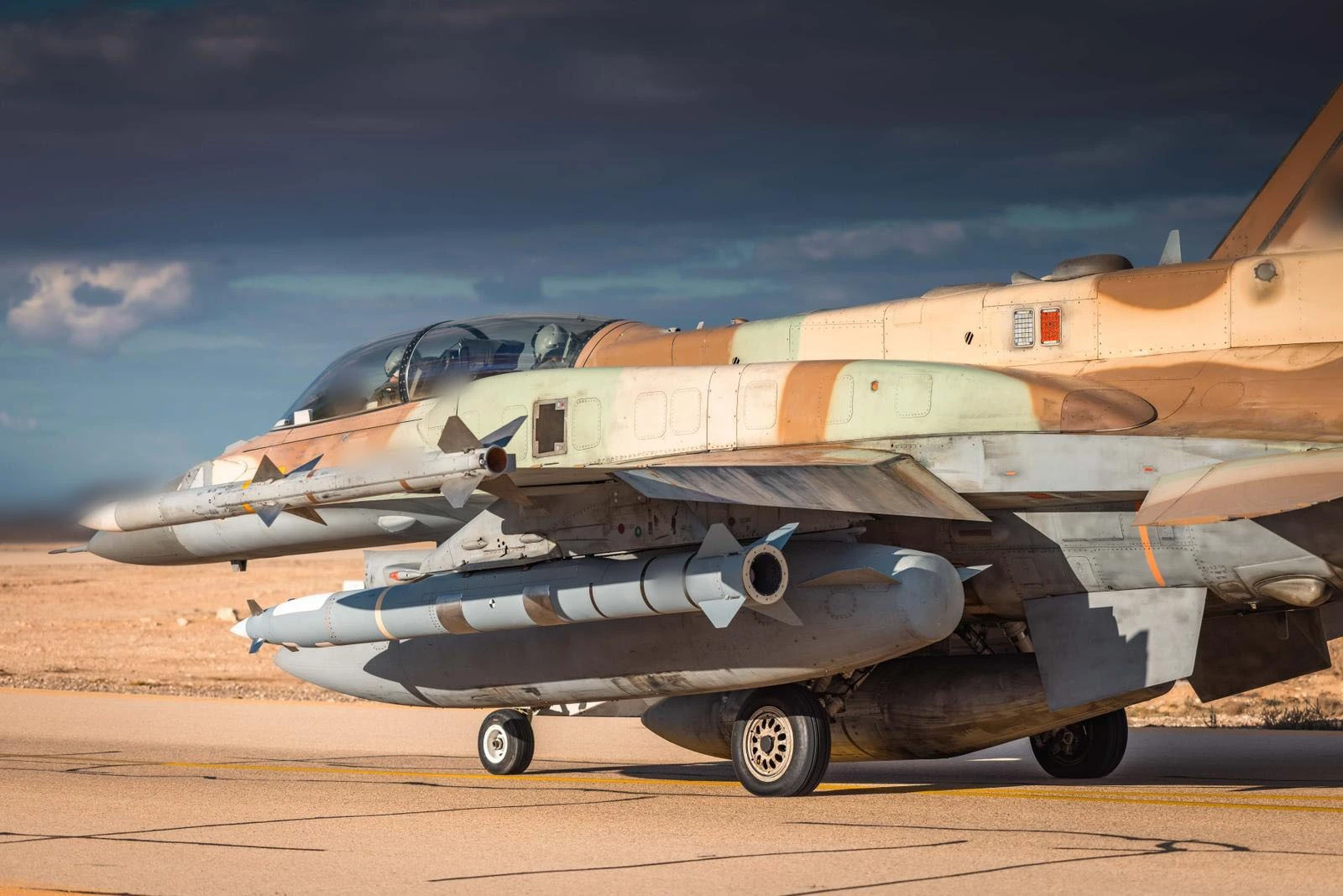
On February 28, 2026, Israel launched its second military campaign against Iran, this time alongside the United States.
Operation Roaring Lion aimed to destroy Iran’s nuclear and ballistic missile infrastructure and lay the groundwork for the Iranian people to potentially overthrow the Ayatollah regime. The campaign extended into this month (April) and is now in a temporary ceasefire. The regime remains intact, despite the assassination of several key leaders, including Ali Khamenei.
During the operation, Israel demonstrated significant military capabilities, including precision strikes deep inside Iran and the use of multilayered air and missile defense systems, along with space-based assets, to protect its population. Despite the longer duration compared to Operation Rising Lion, 22 Israelis were killed by direct missile and rocket strikes.
According to the IDF, Israel achieved air superiority, damaged more than 70% of Iran’s missile launchers, destroyed key missile production facilities, and significantly disrupted the Iranian nuclear program. It also reported eliminating senior Iranian Revolutionary Guards commanders and other operatives.
12 - Israel Ranks No. 8 in World Happiness Report
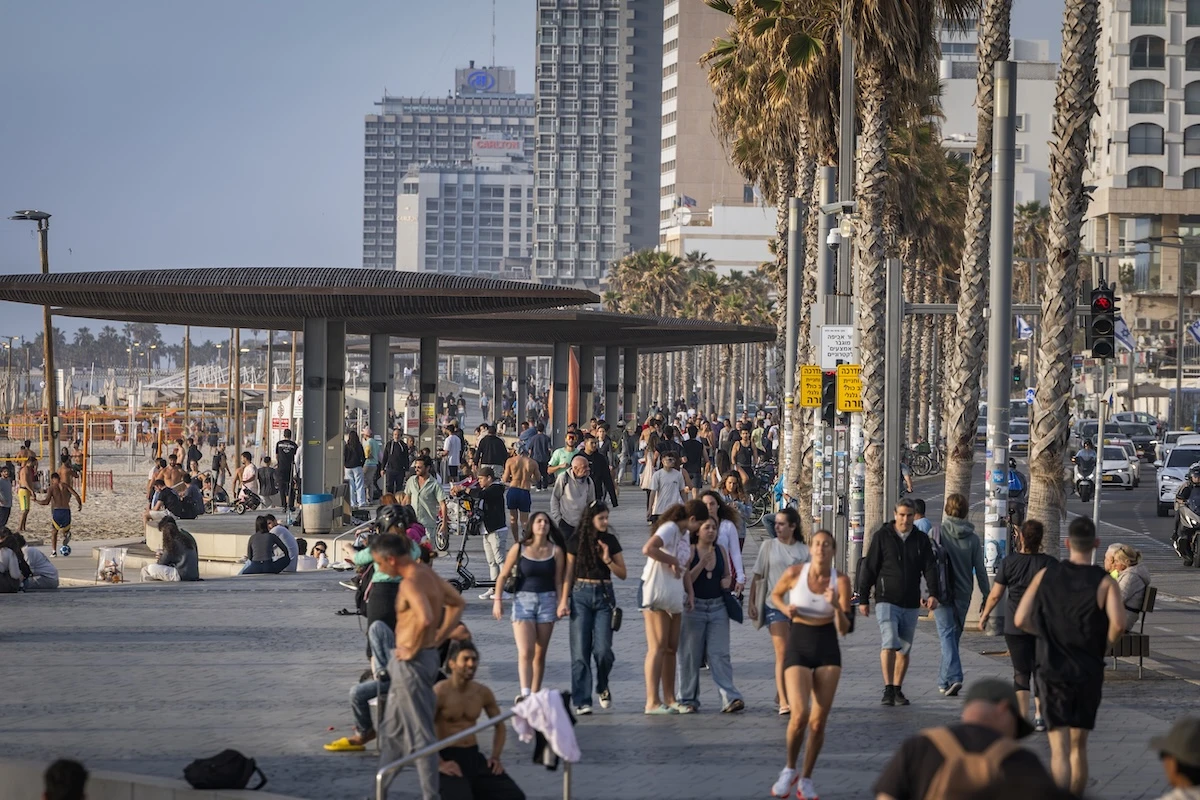
Once again, Israel ranked in the top 10 of the World Happiness Report, despite more than two years of war.
Observers point to a mix of cultural and social factors that help explain the country’s resilience. Rabbi Dr. Yosef Lynn, writing for Aish.com, highlighted several ideas rooted in Jewish life and outlook. Among them are strong community bonds, a tendency to seek purpose and meaning even during hardship, and an emphasis on gratitude, even in difficult times. He also pointed to the importance of perspective, or the ability to grow through adversity.
Academic research offers a similar conclusion from a more secular lens. Researchers at Bar-Ilan University have pointed to deep social connections, a strong sense of belonging, and tightly knit communities as key factors that help Israelis navigate ongoing challenges, often outweighing the short-term pressures of daily life.
13 - Shekel Surges to 30-Year High Against Dollar
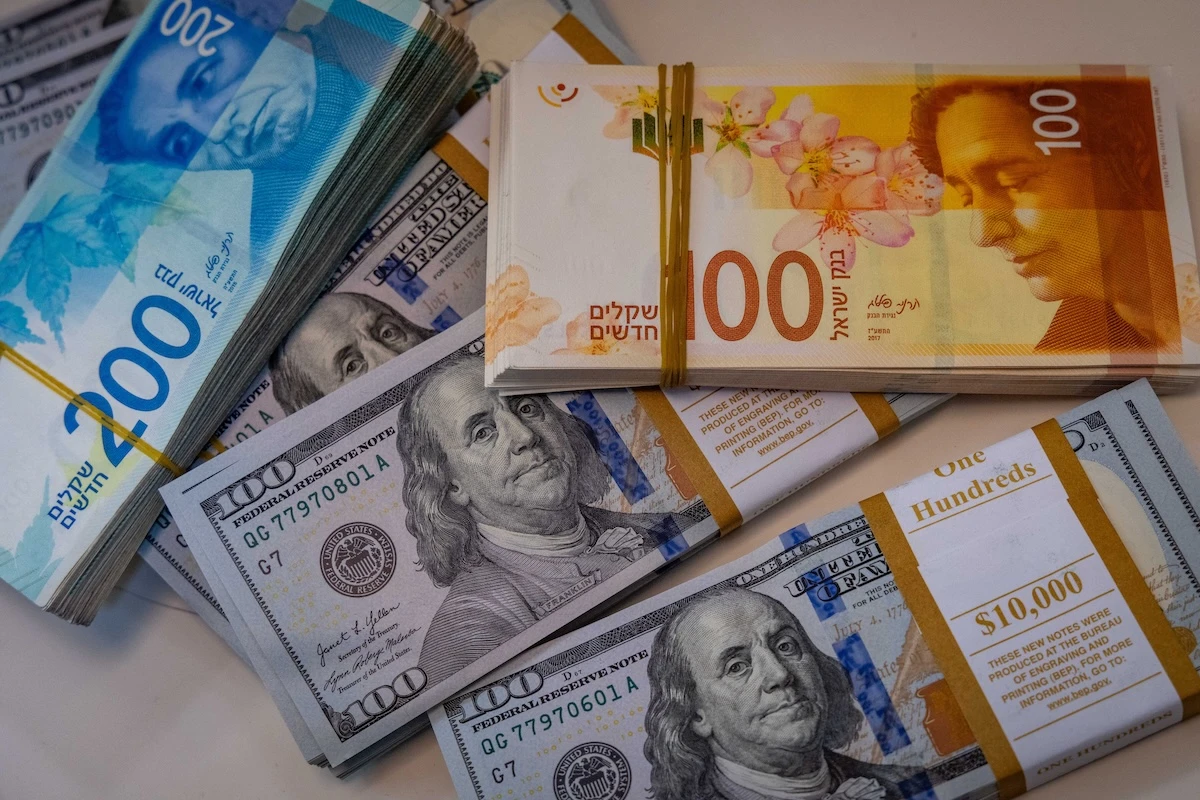
The Israeli shekel strengthened to around 2.99 against the U.S. dollar last week, reaching levels not seen since 1995. The move reflects a roughly 16% to 20% gain over the past year, according to market analysts and Bank of Israel data.
For many Israelis, the stronger currency translates into lower prices for imported goods and more affordable travel abroad.
At the same time, the shift has created challenges for others.
Analysts describe the current rate as a historic low for the dollar against the shekel, a trend that can negatively impact the roughly 300,000 American citizens living in Israel who rely on dollar-based income or savings. It has also affected local investors with significant exposure to dollar-linked assets, whose returns lose value when converted back into shekels.
14 - Deni Avdija Reaches NBA Playoffs First for Israel
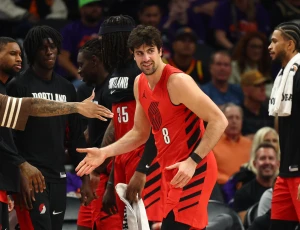
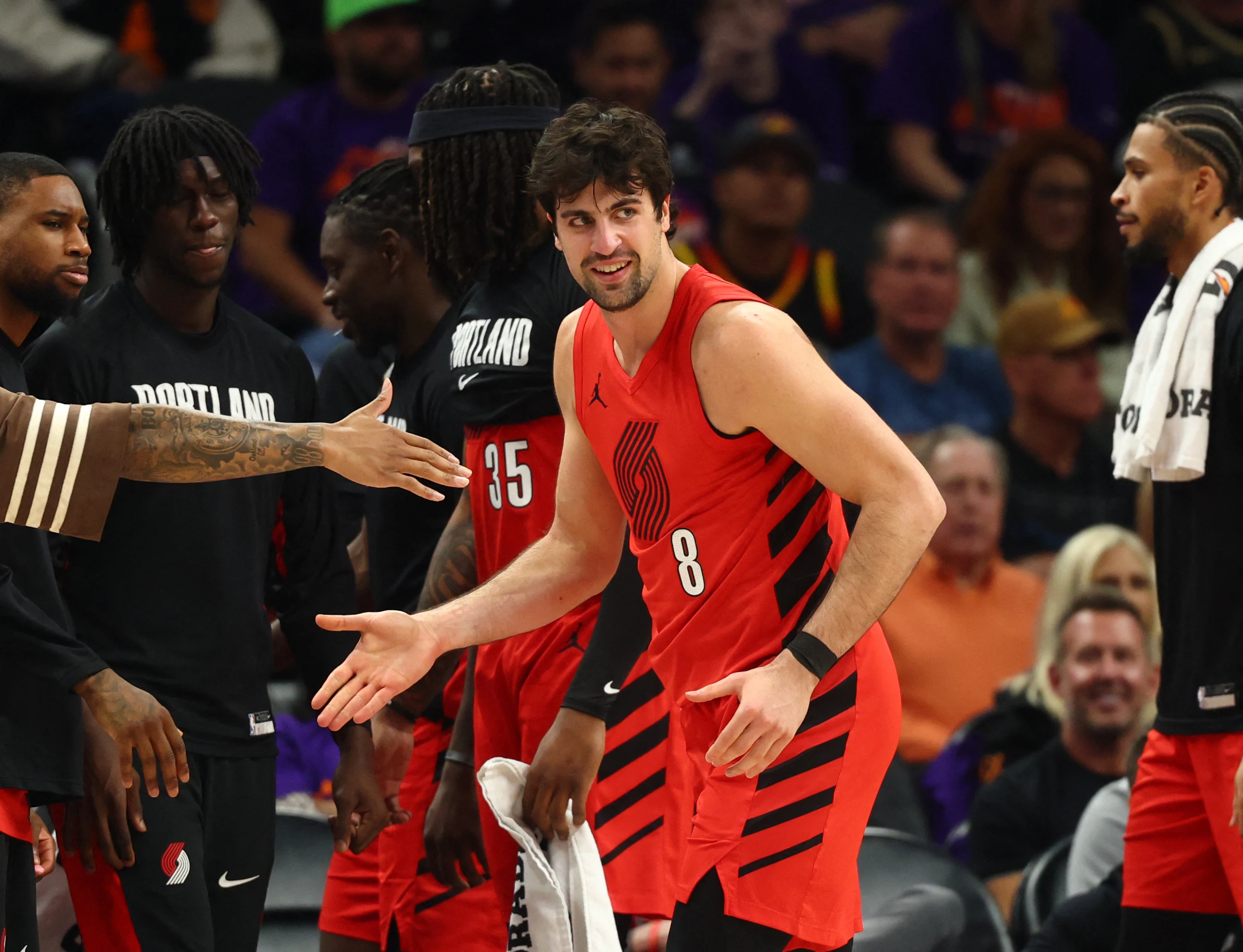
Last week, Israeli basketball player Deni Avdija, a Tel Aviv native, helped lead the Portland Trail Blazers to the No. 7 seed in the NBA Western Conference Playoffs.
According to the State of Israel’s official Instagram page, Avdija is the first Israeli to reach the NBA playoffs.
The Associated Press quoted Avdija as saying, “It’s the best thing that’s ever happened to me in my career so far.”
15 - First Direct Israel-Lebanon Talks in Decades
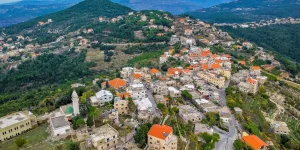
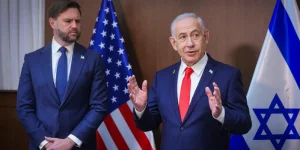
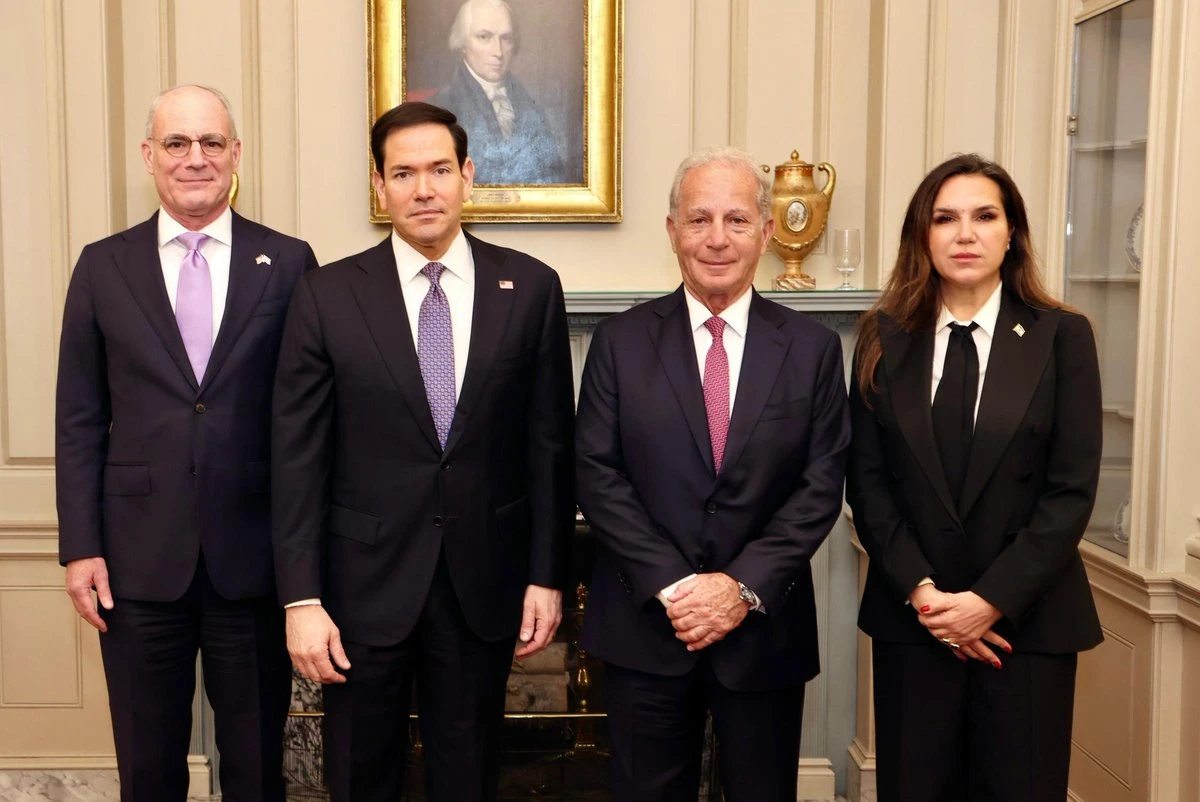
For the first time in more than 40 years, representatives of the State of Israel are speaking directly with representatives of Lebanon.
“The road to peace is still long, but we have begun it,” Netanyahu said.
The talks came amid pressure from Washington after weeks of Israel fighting Hezbollah in Lebanon. Although Israel and Lebanon signed a ceasefire in November 2024, Israel continued to carry out strikes against Hezbollah to prevent imminent threats.
A broader ground invasion was launched by the IDF against Hezbollah in Lebanon during Operation Roaring Lion, after the group joined Iran’s offensive and fired hundreds of missiles at Israel.
In a message on Friday, the prime minister announced a ceasefire agreement and said that although Israel has not finished the job against Hezbollah and a threat remains, the country is much safer from the terrorist organization than before. Netanyahu said the IDF created a deep security buffer zone along the entire northern border, from Mount Hermon through the Golan Heights and down to the Yarmouk River. He also said Israel destroyed 90% of the missile and rocket stockpiles that the late Hezbollah leader Hassan Nasrallah had built.
Nasrallah was assassinated by Israel on September 27, 2024, in an Israeli airstrike.
You might also like to read this: