‘We fire at any threat’: IDF keeps up high alert, continues to dismantle Hezbollah infrastructure amid Lebanon ceasefire
IDF keeps civilians out of buffer zone, hoping to avoid repeat of May 2000 security zone withdrawal




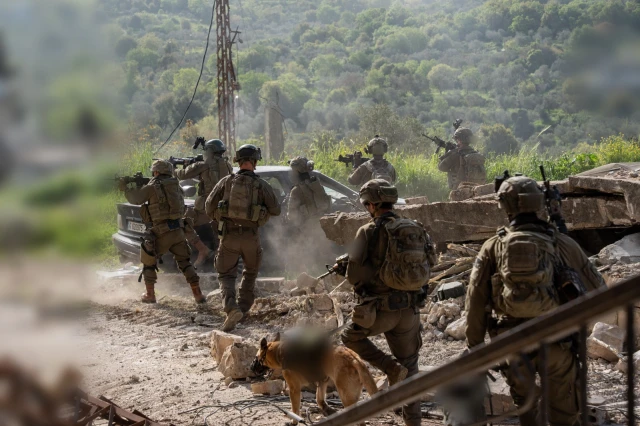
Following the declaration of a ceasefire, a tense quiet has settled over Israel’s northern border and the newly-created buffer zone, punctuated by sporadic sounds of explosions caused by either the destruction of remaining Hezbollah infrastructure or Israeli strikes on terrorists posing imminent threats.
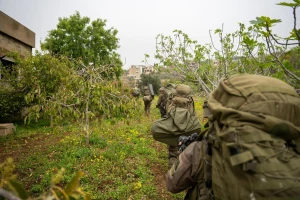
According to the IDF, five divisions, along with Navy forces, are deployed in the 8-10 km (5-6 mile) deep stretch of Lebanese territory on land and sea to “dismantle Hezbollah terror infrastructure sites and to prevent direct threats to communities in northern Israel.”
Under the ceasefire terms, Israel has the right to “take all necessary measures in self-defense, at any time, against planned, imminent, or ongoing attacks,” and Israeli troops have had to exercise that right on a near-daily basis.
On Monday, the Israeli military reported striking “a loaded and ready-to-fire launcher in the area of Qalaouiye in southern Lebanon” to prevent a “direct threat” overnight.
⭕️ REVEALED: The Forward Defense Line and the area in which IDF soldiers are operating, following the ceasefire agreement.
— Israel Defense Forces (@IDF) April 19, 2026
5 divisions are operating simultaneously south of the Forward Defense Line in southern Lebanon in order to dismantle Hezbollah terror infrastructure sites… pic.twitter.com/eibA2pgDHe
On Sunday, the IDF said soldiers “identified an armed terrorist who violated the ceasefire understandings by crossing the Forward Defense Line and approaching IDF soldiers… the soldiers eliminated the terrorist.”
With IDF forces now reported to be in control of a buffer zone that closely resembles the former “security zone” Israel withdrew from in May 2000, questions have resurfaced about how the military intends to avoid a repeat of a costly 18-year-long occupation marked by sustained conflict and a humiliating retreat that has left deep scars in Israel’s collective psyche.
In response to these questions, during a briefing with Israeli journalists who were permitted to enter the area over the weekend, IDF sources said they are aware of the risks involved.
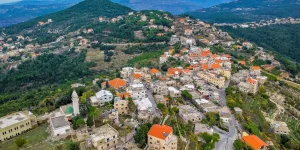
However, this time the zone has been cleared of its civilian population, who will not be allowed to return. This excludes the residents of three Christian villages in the area, who are now effectively cut off from the rest of their country.
This, in addition to the destruction of large portions of nearly 50 villages in the zone, precludes the possibility of a guerrilla campaign like the one that brought down the security zone in 2000.
In addition, IDF sources told The Jerusalem Post that it intends to keep a lighter footprint on the ground, relying on intelligence and precise air and artillery fire to eliminate terrorists while offering less obvious targets to Hezbollah attacks.
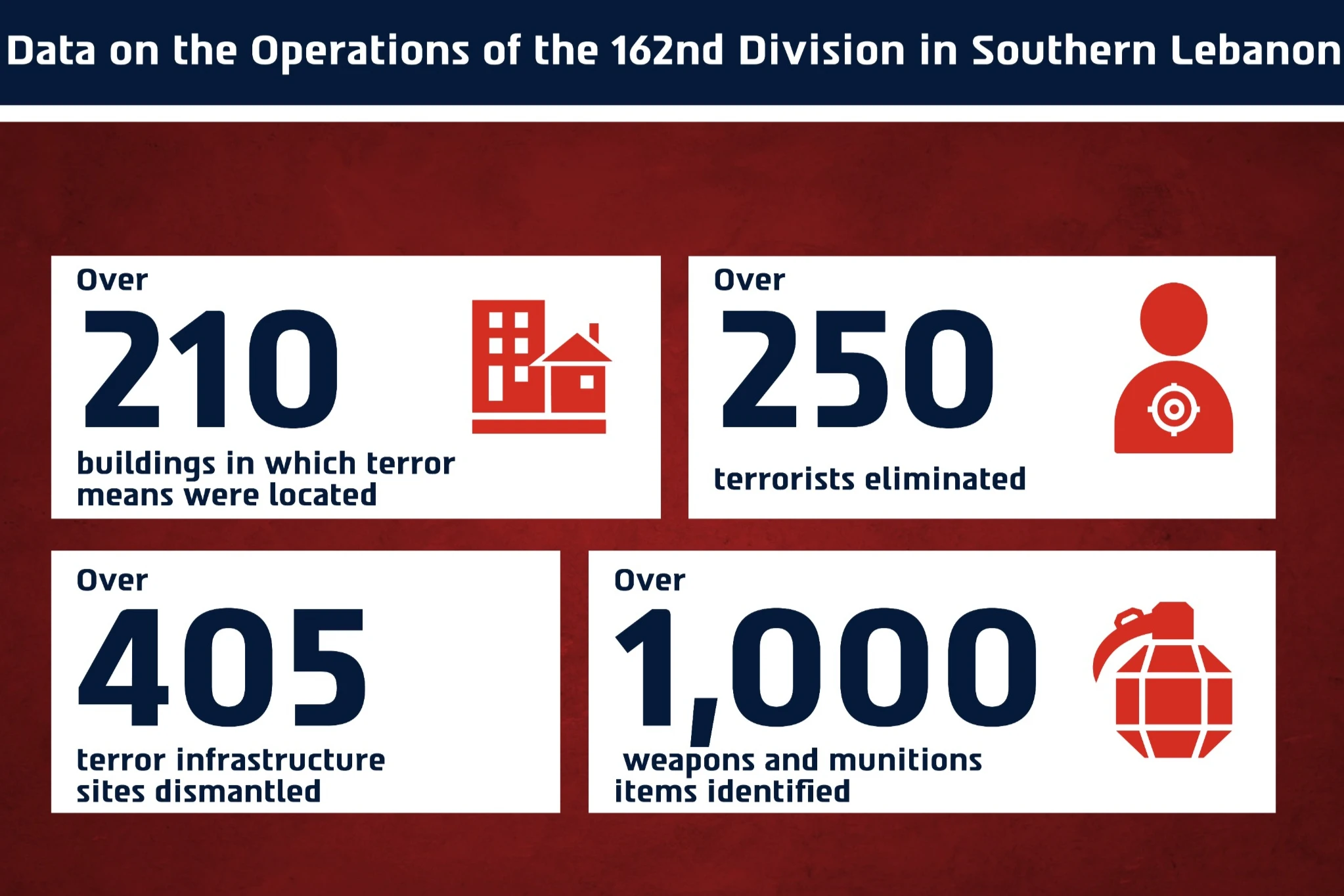
⭕️OPERATIONAL UPDATE: 250+ terrorists eliminated, 405+ terrorist infrastructure sites dismantled, and 1000+ weapons and munitions items located in the Forward Defense Area. Additionally, IDF troops located underground tunnel routes in the area. pic.twitter.com/8t0jnZgYg7
— Israel Defense Forces (@IDF) April 19, 2026
“Right now, any threat I identify that endangers the forces – we fire at it,” Col. Erez Moyal, commander of the Nahal Brigade, told Ynet News. “We’ve seen people moving around the area even without weapons, but the directive is clear: if there is a threat, we remove it. Even if we have to apologize afterward.”
Ensuring this operational clarity was another achievement brought by the evacuation of the civilian population.
“The soldier knows he is going on a mission and can use firepower, eliminate any enemy he encounters,” Moyal stressed. “He is not in a dilemma of a purple line, a yellow line – what is allowed, what is not. He has very, very clear rules of engagement: open fire, cease fire. The main thing is to avoid friendly fire, but any threatening figure he identifies here is, from our perspective, a terrorist.”
According to the IDF, the 162nd Division, under which Moyal’s unit has fought, killed over 250 terrorists in the central section of southern Lebanon where it operated. The troops have also dismantled over 405 terrorist infrastructures and located more than 1,000 weapons and munitions items.
“In the first days, we were under heavy barrages of missiles and drones,” a brigade officer recounted. “They exploited wooded and dense terrain, but our defense systems, like ‘Trophy,’ did their job.”
Col. Moyal summed it up: “There is a ceasefire, but the threat is still here. The fact that people are walking around here today without helmets is a kind of sense of victory – but we must not forget there is still much work to do.”
For now, the main goal is to find and dismantle the remaining infrastructure, including tunnels and weapon caches, while avoiding booby traps left behind. “We are advancing cautiously, with bulldozers and patience,” the brigade commander clarified.
You might also like to read this: