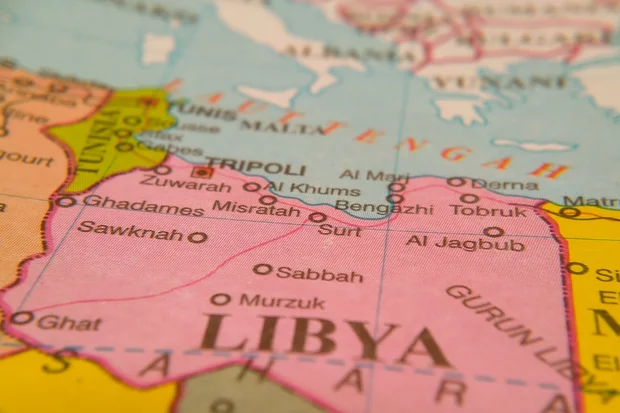









Too late? Cool reception in Washington, Jerusalem after Lebanese president offers direct negotiations with Israel for first time
US reportedly uninterested in helping Lebanon after gov't fails to disarm Hezbollah
.jpg/a19aedec35849f6705d0477f2c3e5528/649252574_1367654232057269_3121535971371429709_n-(1).webp "Too late? Cool reception in Washington, Jerusalem after Lebanese president offers direct negotiations with Israel for first time")
The President of Lebanon, Joseph Aoun, has offered to conduct direct negotiations with Israel for the first time, in a bid to end the intense air strikes and the so-far limited ground incursion by the Israeli military against Hezbollah.
However, responses from the U.S. and Israel were “cool and deeply skeptical,” sources told the news outlet Axios, and U.S. Ambassador to Syria, Tom Barrack, was even quoted as having retorted by calling Lebanon to “stop with the bullsh-t” on disarming Hezbollah.
“If it's not real action about Hezbollah's weapons, there's no point,” a source added.
The Lebanese government is, once again, caught between two more powerful forces that are fighting each other on its territory, and, despite having made unprecedented statements against Hezbollah, it has been hesitant to act on them.
After several days of staying on the sidelines, Hezbollah joined the war against Israel last week in support of its Iranian patron, triggering a massive wave of airstrikes against its infrastructure in southern Lebanon, the Bekaa Valley, and Beirut, and corresponding evacuation notices that have displaced hundreds of thousands.
This came after the Lebanese army had claimed to have completed its deployment in southern Lebanon and to have removed Hezbollah's presence there.
While blaming Israel, Aoun also slammed Hezbollah for its decision, telling the President of the European Council, António Costa, and the President of the European Commission, Ursula von der Leyen, in a phone call that this “was a trap and an ambush against Lebanon, the Lebanese state, and its citizens.”
“It was meant to force Lebanon to choose between two options: either enter into a direct confrontation with Israeli aggression, which would turn Lebanon into another Gaza Strip, or avoid such confrontation—thereby allowing that armed group to launch a populist campaign claiming the state is incapable of protecting its people. Whoever launched those rockets wanted to bring about the collapse of the Lebanese state.”
In the same conversation, Aoun laid out his initiative, which includes offering direct negotiations with Israel under international sponsorship in Cyprus.
Talks would focus on halting “Israeli attacks on Lebanon by land, air, and sea” and accelerating necessary logistical support to the Lebanese military before the Lebanese Armed Forces (LAF) would extend its control over the entire country, disarming Hezbollah and dismantling its infrastructure.
In recent days, Aoun’s government has already taken unprecedented steps by outlawing the terror group’s military activities and ordering the arrest and deportation of any members of Iran’s Islamic Revolutionary Guard Corps (IRGC) in the country.
Hezbollah’s unlawful activities, of which the blatant attack on Cyprus was one such manifestation, defy the will of the Lebanese government and people. We will not allow Lebanon to be turned into a platform for Iranian agendas.
— Youssef Raggi (@YoussefRaggi) March 8, 2026
IRGC officers are full members of Hezbollah’s highest leadership councils, and have reportedly been leading the group since the death of its former leader Hassan Nasrallah.
But despite the Lebanese government’s declarations, Lebanese Army Commander Gen. Rodolphe Haykal has reportedly pushed for his troops to oppose the Israeli military rather than deploy them against Hezbollah.
Current and former U.S. officials told Axios that this has caused considerable tensions in the government and drawn pressure from Washington to fire Haykal.
الرئيس جوزاف عون زار وزير الدفاع وقيادة الجيش في اليرزة:
— Lebanese Presidency (@LBpresidency) March 10, 2026
- الجيش مؤسسة وطنية تخدم مصلحة لبنان واللبنانيين، وما تعرّض له وقائده من حملات لن يترك أي أثر في أدائه.
- إذا تعرّض الجيش للاهتزاز، فالوطن بأسره سيتعرّض للخطر، وسأقف سدّاً منيعاً عند التعرّض لهذه المؤسسة العسكرية ومن هو… pic.twitter.com/QHy7GkSeju
However, Aoun demonstrated support for Haykal by visiting the army command on Monday, stating that “whatever campaigns it and its commander have faced will leave no impact on its performance.”
Meanwhile, the Trump administration is reportedly not interested in helping Lebanon at this time. “The Lebanese government was warned and warned and warned this would happen if they don't take action against Hezbollah,” a former U.S. official told Axios.
“There is no interest from the Trump administration to deal with Lebanon,” another source said.
Meanwhile, the Lebanese government received an offer of support from a surprising source, as Syrian President Ahmad al-Sharaa said he supported efforts to disarm the Iranian-backed terror group he himself has fought during the Syrian Civil War.
However, many Lebanese are deeply skeptical or reject any Syrian involvement outright, as the Assad regime occupied Lebanon for years.
Lebanese foreign minister, Youssef Raggi, said he had received a message from the Syrian government that recent troop movements along the border “are intended to strengthen border control, curb smuggling activities, and safeguard Syria’s internal security.”
Popular article:
interview Easter message of resurrection hope amid war at Jerusalem's Garden Tomb

biblical commentary Let my people go: a Passover message for today
4 IDF soldiers killed, 2 wounded in fighting in southern Lebanon, as Israel eliminates dozens of Hezbollah terrorists

Receive latest news & updates
A message from All Israel News
Help us educate Christians on a daily basis about what is happening in Israel & the Middle East and why it matters.
For as little as $10, you can support ALL ISRAEL NEWS, a non-profit media organization that is supported by readers like you.
Latest articles:
North American Jewish organizations to recruit 100 professionals to combat antisemitism
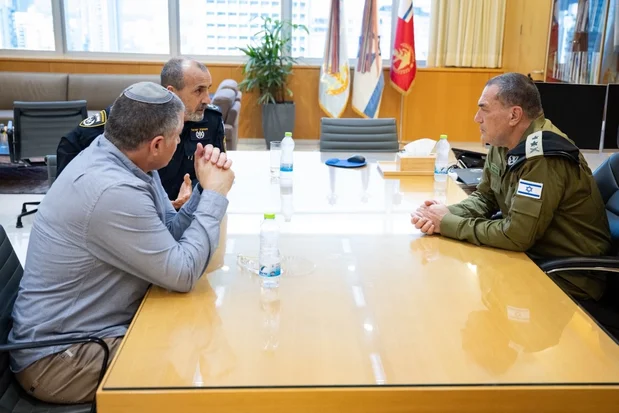
‘No need’ for pre-election Iran strike, IDF chief says as gov’t, opposition trade blame for potential escalation – report
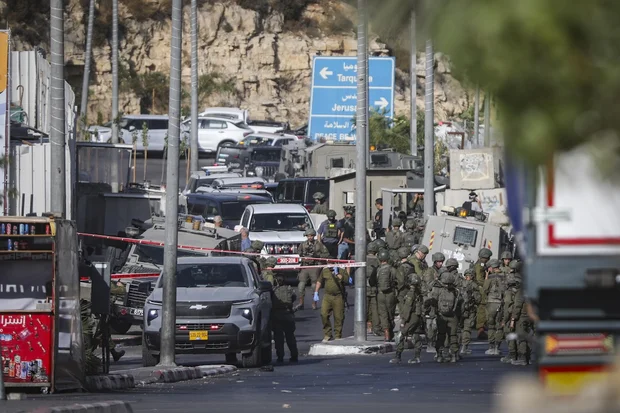
terror attack 2 Israeli soldiers killed, 2 terrorists eliminated in Hebron shooting; IDF says much larger attack was prevented
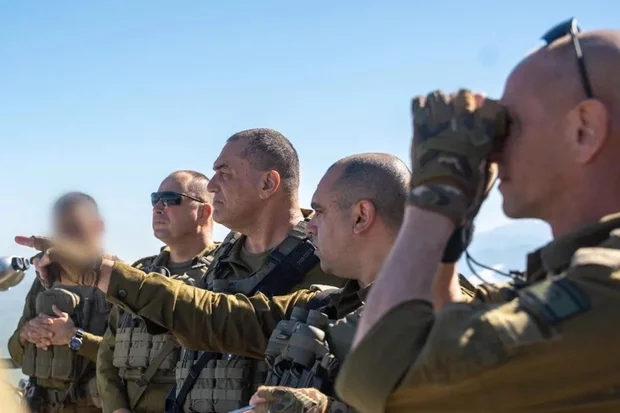
analysis A people dwelling securely? Israel’s strategic standing, 3 years after Oct 7
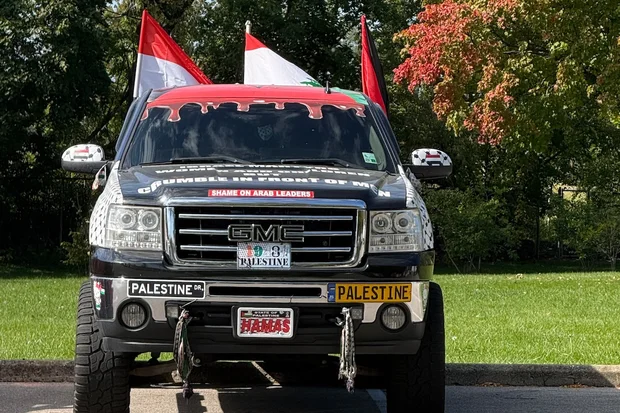
Hamas on wheels: What I found in Dearborn reveals a troubling history and a battle over Israel