Israel gears up for historic Oct. 7 trials as hundreds of terror suspects face justice




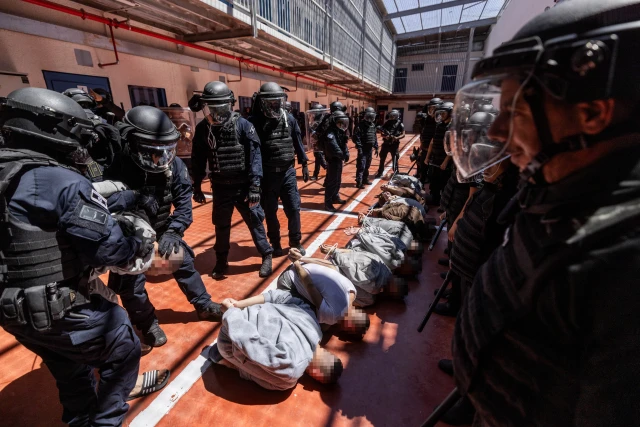
Israel is preparing for one of the most complex legal undertakings in its history – prosecuting hundreds of suspected terrorists accused of taking part in the Oct. 7, 2023, massacre, even as the broader war continues to unfold across multiple fronts.
The exact number of suspects in custody is not being released to the public, but reliable estimates by legal experts say it’s at least 350. Most are believed to be relatively low-level operatives who were following instructions they received from more senior members of Hamas and Palestinian Islamic Jihad.
Nevertheless, charges being prepared against these defendants include crimes against the Jewish people, crimes against humanity, war crimes, harm to state sovereignty, causing war, and aiding the enemy during wartime.
Legislation setting up a legal framework for these trials is currently working its way through the Knesset Constitution, Law and Justice Committee. It’s likely the proceedings will take place within a military court framework, as Israel’s civilian courts do not have the logistical capability to process the massive volume of evidence, including thousands of hours of testimony, surveillance videos, pictures, and other materials.
A military court in the city of Lod could perform many of these functions, but it will require significant preparation, as it has been inactive for years. The physical setting for the trials, however, is expected to be in Atarot, north of Jerusalem, where large aircraft hangars could be repurposed for proceedings of this scale.
The size of these facilities is considered essential – not only to accommodate the defendants and legal teams, but also to provide space for public viewing, as well as for video recording equipment and related broadcasting infrastructure.
While some details have been made public through the draft legislation, several steps remain in the legislative process. Lawmakers have warned that even after the bills pass, months of additional preparation will be required before the trials can begin.
Comparisons are already being drawn to historic proceedings such as the 1961 trial of Adolf Eichmann and the Nuremberg Trials held after World War II. While there are similarities, key differences remain – most notably the lack of a broad international consensus. Unlike the postwar trials of Nazi officials, Israeli officials expect potential diplomatic pushback and even public demonstrations in support of the accused in some Western cities.
Still, some lawmakers argue the trials could play an important public role.
“There is nothing better than a legal proceeding to tell the story," said MK Yulia Malinovsky during the committee meetings.
Others have taken a more hardline stance.
“I do not know whether it will be hundreds or dozens, but I believe anyone who was part of this event should be sentenced to death,” said committee chairman Simcha Rothman.
Not everyone is convinced the process will serve justice as intended. Some family members of victims have voiced concern that the trials could become a media spectacle, shifting the focus from accountability to competing narratives. Others worry that broader questions – such as the government’s responsibility for the failures leading up to Oct. 7 – could be overshadowed.
The proposed legislation also stipulates that defendants will not be represented by the public defender’s office. Rothman has argued that the cost of defense lawyers should not come from the state budget but instead be deducted from Palestinian Authority funds.
For many families of victims, however, the trials represent only one part of a broader search for accountability.
Palty Katzir said Israel is moving ahead with a massive legal mechanism against the terrorists, while no state commission of inquiry has yet been established into the failures that led to Oct. 7.
You might also like to read this: