Gaza border community turns to wellness to heal from Oct 7 trauma


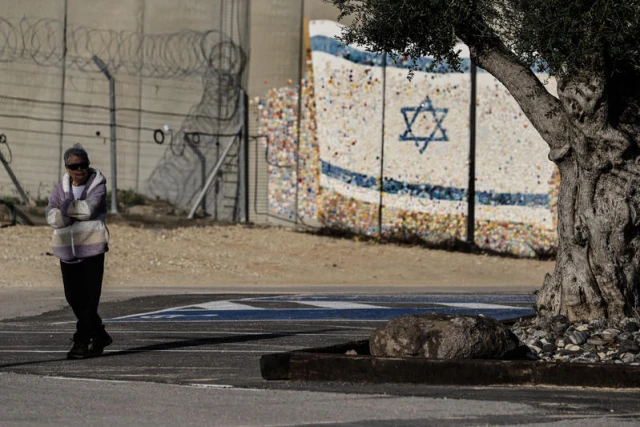
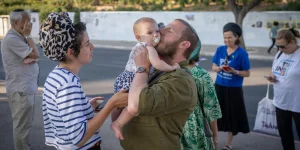
The Israeli rural community of Netiv HaAsara, located near the Gaza border, lost at least 20 residents in the Hamas attack on Oct. 7, 2023. Now, two and a half years later, it is working to heal and rebuild through innovative wellness programs, including workshops and ice baths, to strengthen resilience and address both physical and emotional wounds.
The project, named “Rise,” is the brainchild of Sara Menashe, a 49-year-old moshav member and farmer who is part of the local governing committee. She explained how her 'wellness' concept was born.
“We thought we would find residents in a much more resilient and stronger state after two and a half years, but unfortunately, the reality was different,” Menashe said. “August 2025 was the official date the army approved residents’ return. Some came back earlier, but most returned after that.”
“We thought the veteran members would hold us together,” she continued, emphasizing that the Gaza border community has experienced many military conflicts even before the Oct. 7 attack.
“We have been through many operations and periods of escalation. Usually, younger families would leave and return once things calmed down. Our founders, the older generation, never left – until October 7, and it was very hard for them," she said.
Menashe said, "After two and a half years, they found residents who had not taken care of themselves, especially those up to age 55, who were busy with children, businesses, work, and caring for parents. Many health issues began to surface."
The local farmer revealed that she attended lectures on the dangers of trauma and stress even before the Oct. 7 attack.
“I attended a lecture before October 7 about stress and trauma and what they do to us, and I said we must find a way to treat people before it becomes chronic,” Menashe explained. However, she concluded that Israel’s existing healthcare system was incapable of dealing with the large number of traumatized Israelis.
“Unfortunately, the health system in the south – and in general – is lacking, and getting an appointment with a specialist can mean waiting a year. That is something that needs fixing regardless of October 7. I spoke with Mooli Lahad, who founded the resilience center in Kiryat Shmona, and he told me: ‘Sarah, you need to start treating both the body and mind of residents,’” she recalled.
The Israeli mental health app “Rescue” is another local attempt to address the growing mental health crisis in the Jewish state following the Oct. 7 attack.
Menashe eventually presented her idea to Ichilov Well, part of the Ichilov Tel Aviv Sourasky Medical Center.
“We contacted Ichilov Well, sat down, understood our needs, and built a framework for residents. The goal was to give people a kind of reset, to get them to take care of themselves,” she said. “There are people here who were not checked at all during this period. At the end, each resident is supposed to receive a personalized annual plan.”
She explained how the new local wellness program works in practice.
“Each resident undergoes screening that includes medical and physiological tests – dermatology, vision, hearing – everything a person would normally need, all in one place in the moshav. They then receive comprehensive feedback from a doctor, including recommendations on nutrition, physical health and mental well-being. Throughout the month, we also offered workshops – rebirthing, breathing, sleep workshops. Unfortunately, many people here are not sleeping. At the end, we expect a summary showing how many residents suffer from sleep issues, nutritional deficiencies, or need mind-body treatment, so we can build a full program.”
She said the response has been largely positive. Looking ahead, Menashe hopes that her local wellness program can become a pilot inspiration for similar projects across Israel.
“My dream is to use the moshav as a pilot to show how important health is for communities that have experienced prolonged trauma and stress,” she explained. “It is critical to prevent illness so it does not burden a system that, unfortunately, focuses on treatment rather than prevention. Quality healthcare in the periphery is essential."
Many challenges remain for Israel’s war-torn southern Gaza border communities two and a half years after the Hamas atrocities. Yet signs of recovery are emerging: more than 90% of residents have returned home, according to a September 2025 report by the Tekuma Authority, which oversees the rehabilitation of Gaza border communities.
You might also like to read this: