








Israel surprised by Trump’s announcement that Iran deal is reached & could be signed this weekend
Iran claims that 60-day truce includes immediate and permanent ceasefire in Lebanon
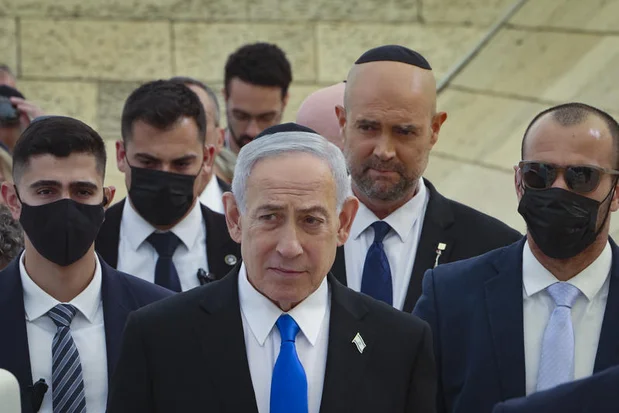
Israeli officials reportedly did not receive advance notice and were surprised by U.S. President Donald Trump’s announcement that a deal for a 60-day ceasefire had been reached with the Iranian regime, which came shortly after he had promised to carry out more military strikes in Iran.
According to multiple reports, the proposed agreement would establish a 60-day ceasefire, during which the United States would lift its naval blockade and provide limited sanctions relief. In return, Iran would reopen the Strait of Hormuz and make commitments related to its nuclear program.
Meanwhile, the sides would continue to negotiate a more permanent peace agreement.
edit: Israeli Prime Minister Benjamin Netanyahu so far only said that he spoke to Trump on Thursday evening, describing the agreement as a “memorandum of understanding (MOU) with Iran to enter into negotiations” and hinting that, so far, the regime had not committed to the demands most important to Israel.
“Even though Israel is not a party… the Prime Minister expressed his appreciation for President Trump's commitment that the final agreement at the conclusion of negotiations will include the removal of enriched material, the dismantling of enrichment infrastructure, limits on missile production, and the cessation of Iran's support for its terrorist proxies in the region,” Netanyahu’s office said.
Israeli media outlets reported that Israel had not been informed before Trump’s announcement on Truth Social. An Israeli official told Ynet News, “It seems Trump is eager for calm during the World Cup."
On Friday morning, Iran's Mehr news agency, citing a source close to the regime's negotiating team, reported that the MOU calls for an immediate and permanent ceasefire on all fronts, including Lebanon, a development expected to draw strong opposition in Israel.
Trump stated that due to the deal being approved by “the highest level of Iranian leadership,” he “cancelled the scheduled strikes and bombings.” According to NBC, the announcement came just three hours before the scheduled start of the military airstrikes.
“Discussions and final points have been, in both concept and great detail, approved by all parties involved, including the United States, Israel, Saudi Arabia, UAE, Qatar, Turkey, Pakistan, Bahrain, Kuwait, Jordan, Egypt, and others. The Naval Blockade will remain in full force and effect until this Transaction is finalized,” Trump wrote.
Later on Thursday, Trump told reporters in the Oval Office that a deal had been reached, “subject to finalization of documents,” adding that it could be signed by U.S. Vice President JD Vance in Europe over the weekend.
“It’s a very strong memorandum of understanding that is a little conceptual,” Trump said, explicitly stating that Iranian Supreme Leader Mojtaba Khamenei had given his approval.
However, Iranian media at first rejected Trump’s claims outright before its Foreign Ministry spokesman, Esmail Baghaei, noted that “claims which have been made regarding the agreement are speculative and nothing has been finalized.”
Trump’s latest sudden pivot reportedly came after he spoke to mediators from Pakistan, who reiterated that they “had a deal” with Tehran, according to The New York Times.
The news outlet Axios reported that key gaps had been closed the day before during talks between Iranian officials and Qatari mediators.
Mehr reported that the MOU also includes a provision calling for the withdrawal of U.S. forces from areas near Iran.
According to Trump, Iran agreed it would “not have a nuclear weapon,” though he did not specify what this would mean for its enrichment infrastructure or for any remaining highly-enriched uranium in the country.
Citing three informed sources, Axios said the sides reached an agreement on three key points: reopening the Strait of Hormuz during the 60-day ceasefire, outlining the nuclear talks during the ceasefire, and establishing a mechanism for releasing Iran's frozen funds.
“There is no set date for sanctions relief and it will be tied to the implementation of the deal,” an informed diplomat said.
Regarding Iran's nuclear ambitions, the regime would vow not to acquire a nuclear weapon in the future. Trump also agreed to the possibility that Iran could dilute its highly-enriched uranium inside the country under international supervision, a senior American official told Axios.
However, concrete steps would only be taken if the 60-day negotiation period results in a final agreement.
Nevertheless, the diplomat said the MOU “goes into details on all the nuclear issues” and “satisfies all U.S. requirements.”
Popular article:
interview Easter message of resurrection hope amid war at Jerusalem's Garden Tomb

biblical commentary Let my people go: a Passover message for today
4 IDF soldiers killed, 2 wounded in fighting in southern Lebanon, as Israel eliminates dozens of Hezbollah terrorists

Receive latest news & updates
A message from All Israel News
Help us educate Christians on a daily basis about what is happening in Israel & the Middle East and why it matters.
For as little as $10, you can support ALL ISRAEL NEWS, a non-profit media organization that is supported by readers like you.
Latest articles:
North American Jewish organizations to recruit 100 professionals to combat antisemitism
‘No need’ for pre-election Iran strike, IDF chief says as gov’t, opposition trade blame for potential escalation – report
terror attack 2 Israeli soldiers killed, 2 terrorists eliminated in Hebron shooting; IDF says much larger attack was prevented
analysis A people dwelling securely? Israel’s strategic standing, 3 years after Oct 7
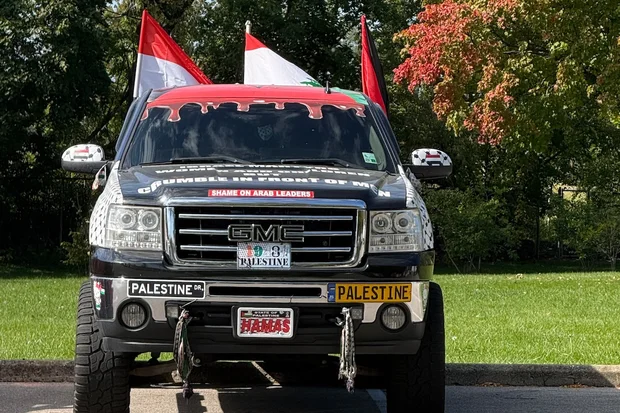
Hamas on wheels: What I found in Dearborn reveals a troubling history and a battle over Israel