









Iranian missile attacks have ripple effects throughout Israeli society and economy
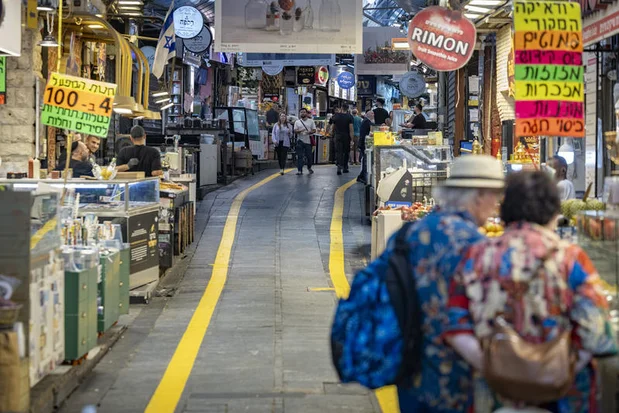
The Iranian missile attacks on Israel Sunday evening and into Monday morning had immediate ripple effects across Israeli society, disrupting air travel, closing schools, and forcing businesses and families to adjust to rapidly changing security conditions.
Although the exchange of fire was relatively brief – and Ben-Gurion International Airport remained open throughout the crisis – several airlines suspended service to Israel while schools across much of the country remained closed on Monday.
In response to the attacks, Hungarian low-cost carrier Wizz Air and Austrian Airlines announced they would temporarily suspend flights to and from Israel. The move came despite the short duration of hostilities.
“The safety and security of our passengers and crew remains the airline’s highest priority,” Wizz Air said in a statement. “Wizz Air continues to closely monitor the evolving situation in coordination with relevant authorities and will adjust our operations accordingly.”
However, several other European airlines continued their regular flight operations at Ben-Gurion Airport through Monday and into Tuesday, including Aegean, LOT, Iberia and Air France.
According to the Israel Airports Authority, approximately 58,000 passengers were expected to travel through the airport on 370 flights by Monday night.
Not all travelers were reassured by the airport's continued operations.
“Many of our customers are panicking about what will happen to air travel and if Israel’s airspace will remain open in the coming days and towards the weekend,” Mark Feldman, CEO of Ziontours Jerusalem, told The Times of Israel.
“At this stage, it is impossible to predict whether the situation will continue or accelerate, and there are travelers who don’t want to fly out of fear that they are going to be stranded abroad or leave their families behind,” Feldman said.
El Al, Israel’s national air carrier, announced on Monday that it was easing rules for ticket changes and cancellations “in light of the current security situation and the ongoing uncertainty.”
Budget airline Arkia said it was offering customers similar arrangements.
The attacks also disrupted Israel’s education system. School children were given the day off on Monday, although classes resumed on Tuesday. Some schools continued to use distance learning after the Education Ministry initially announced that “frontal learning” would resume only on Tuesday.
Later on Monday afternoon, however, authorities eased some of the restrictions after both Israel and Iran signaled that they would refrain from further strikes unless attacked first.
In northern Israel, schools are still required to operate near protected spaces, and restrictions on public gatherings remain in effect because of ongoing hostilities with Hezbollah.
The disruptions also highlighted a longstanding infrastructure challenge. According to a recent report by the State Comptroller, 40% of schools in Israel lack protected spaces where students and teachers can take shelter during an attack.
Most workplaces, in contrast, do have protected areas, helping explain the government's decision to close schools while allowing much of the economy to continue operating. Critics, however, argued that the policy placed many parents in a difficult position as they scrambled to find childcare while still reporting to work.
Popular article:

interview Easter message of resurrection hope amid war at Jerusalem's Garden Tomb

biblical commentary Let my people go: a Passover message for today
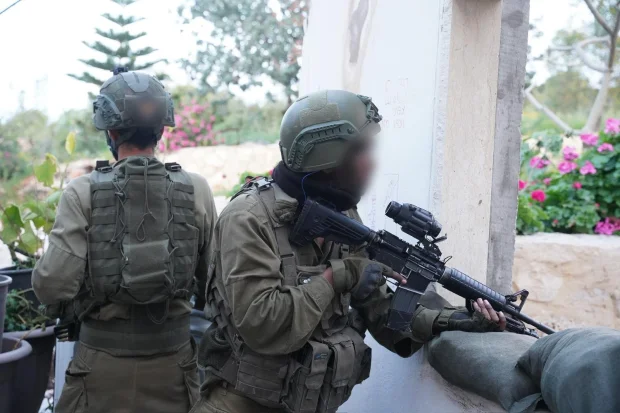
4 IDF soldiers killed, 2 wounded in fighting in southern Lebanon, as Israel eliminates dozens of Hezbollah terrorists

Receive latest news & updates
A message from All Israel News
Help us educate Christians on a daily basis about what is happening in Israel & the Middle East and why it matters.
For as little as $10, you can support ALL ISRAEL NEWS, a non-profit media organization that is supported by readers like you.
Latest articles:

More than 1,300 antisemitic posts blame Israel, Jews for French riots – report
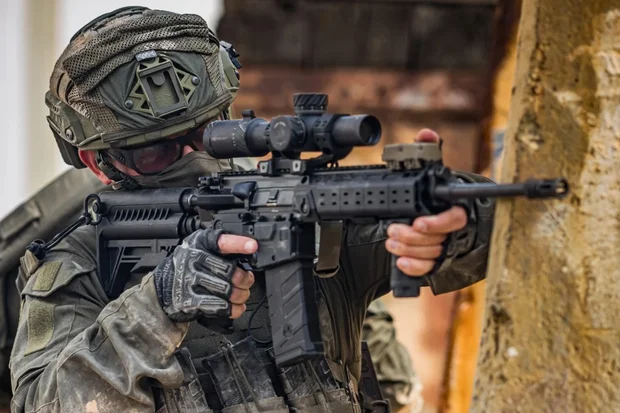
Thailand turns to Israeli anti-drone technology to counter growing battlefield threat
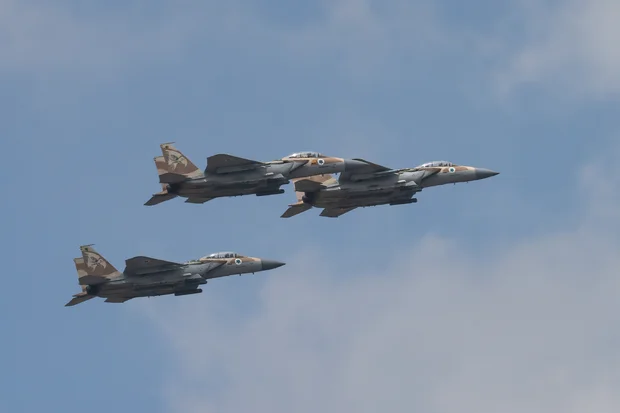
Israeli fighter jets flew to Iranian border in ‘power projection,’ deterrence exercise ahead of elections next week
Israel targets nuclear fusion leadership as AI drives soaring energy demand

Israel's Sheba Medical Center climbs to 6th in global smart-hospital rankings