Fmr Crown Prince Pahlavi calls on Iranians to have ‘greater faith, not despair’ after ceasefire leaves regime in power
Regime split over ceasefire, as IRGC takes over most wartime decisions





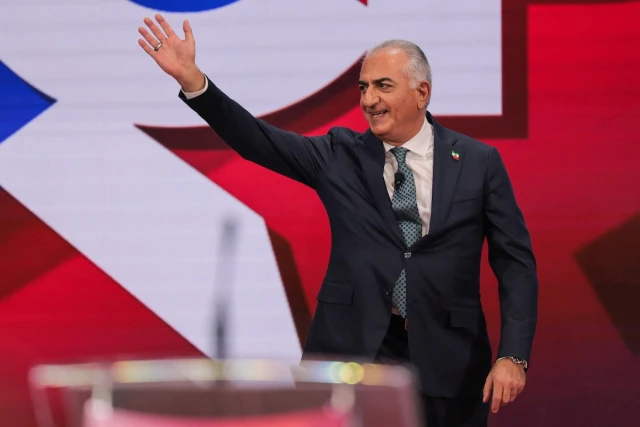
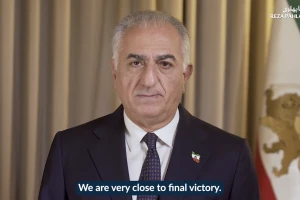
Reza Pahlavi, the exiled crown prince of Iran, called on Iranians not to be “disheartened” by the ceasefire, stressing that, despite the regime staying in power for now, the blows it suffered during the war were “unprecedented and irreparable.”
“Today is not a time for despair, but for greater faith in victory,” Pahlavi said in a statement after the U.S., Israel and Iran agreed on a two-week ceasefire while Washington and Tehran continue to negotiate over a final end to the war.
Pahlavi particularly noted that “The elimination of Ali Khamenei, the killer of tens of thousands of brave Iranians, is in itself a historic achievement for our nation. Beyond him, dozens of commanders and key perpetrators of repression in the IRGC, Basij, and the regime's intelligence apparatus have also been removed.”
هممیهنان عزیزم،
— Reza Pahlavi (@PahlaviReza) April 8, 2026
ملت بزرگ ایران،
به همه شما که در این ۱۰۰ روز برای آزادی و بازپسگیری ایران ایستادید؛ با فداکاری در برابر گلولهها سینه سپر کردید و در ۴۰ روز گذشته خطر بمباران را به جان خریدید، درود میفرستم.
میدانم خبر آتشبس دوهفتهای میان جمهوری اسلامی با آمریکا و اسرائیل،… pic.twitter.com/Ml8Blgmrhv
Listing the accomplishments of the joint U.S.-Israel campaign, Pahlavi said that “Thousands of repressive forces have been annihilated. The command-and-control structure for repression has been paralyzed and shattered. Military infrastructure – not built to defend Iran, but to export terrorism and instability – has been destroyed. The regime's financial resources for domestic repression and overseas terrorism have been severely curtailed.”
“The Islamic Republic is more isolated and despised in the region and the world today than ever before,” he emphasized.
Meanwhile in Iran, the regime has portrayed the ceasefire as a victory and called on its supporters to celebrate in the streets. The truce is “the fruit of the blood of the martyred great leader Khamenei and the achievement of the presence of all people on the scene,” President Massoud Pezeshkian said.
According to the internet monitoring group NetBlocks, the nationwide internet blackout in Iran has now lasted for over 41 days, a measure “unprecedented in scale and duration for a connected society [and that] continues to violate Iranians' rights to communicate and stay informed.”
⚠️ Update: It's now day 41 of #Iran's internet blackout, with the regime's ban on access to global networks continuing past 960 hours. The measure, unprecedented in scale and duration for a connected society, continues to violate Iranians' rights to communicate and stay informed. pic.twitter.com/kZdUGvMDIl
— NetBlocks (@netblocks) April 9, 2026
In his speech, Pahlavi noted that the regime had “suffered a harsh defeat in the field of reality, yet, by cutting off the internet to 90 million Iranians and through its machinery of lies, still strikes poses of victory and chants boasts.”
However, behind the scenes, the regime is reportedly split over the ceasefire, with the opposition-aligned outlet Iran International reporting that Iran's President Masoud Pezeshkian, who has largely been sidelined during the war despite his nominal position, clashed with senior Revolutionary Guard (IRGC) commanders.
Citing two sources close to the presidential office, the outlet said that Pezeshkian and Hossein Taeb, a powerful figure seen as close to Supreme Leader Mojtaba Khamenei, clashed in a highly charged manner several days ago.
Pezeshkian reportedly accused IRGC commander Ahmad Vahidi and Ali Abdollahi, the new commander of the Khatam al-Anbiya Central Headquarters, the armed forces' unified command, of destroying chances for the much-needed ceasefire through unilateral decisions to attack regional countries.
The IRGC’s policies were driving the country directly toward “a huge catastrophe,” Pezeshkian is said to have charged, warning that a full economic collapse was inevitable without a truce.
Mourners attend a ceremony marking 40 days since Iran's former Supreme Leader Ali Khamenei was killed in US-Israeli strikes in Tehran. pic.twitter.com/JkAk8NHH0W
— Iran International English (@IranIntl_En) April 9, 2026
The report further noted that the clash highlighted the widening rifts between the nominal government, headed by Pezeshkian, the clerical order, and the IRGC-led military and intelligence networks.
Another reports by the outlet said that Pezeshkian’s attempt to appoint a new intelligence minister was blocked by IRGC commander Ahmad Vahidi, who insisted that all key wartime positions be chosen by the IRGC. Accordingly, the appointment of Mohammad Bagher Zolghadr as new secretary of the Supreme National Security Council was reportedly pushed through despite Pezeshkian’s misgivings.
Concluding his message to Iranians, Pahlavi reiterated that the Iranian people must be the ones to “deliver the final blow to this weakened regime and bring it down.”
He stressed that despite the war, the regime's “capacity for repression has not been entirely eliminated. My sole aim is for the final action to topple the Islamic Republic to come at the least possible human cost… so, I ask you to remain patient, protect yourselves, and, with faith in victory and full readiness, await the decisive moment.”
“In the meantime, I and all our compatriots abroad will, with all our strength, raise your demand—the end of the Islamic Republic – as our rallying cry,” he concluded.
You might also like to read this: