Yom HaShoah: Israel remembers life and loss

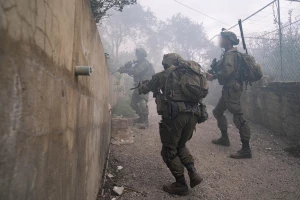
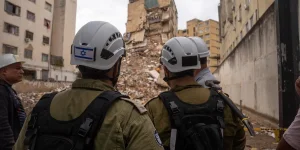
During Israel’s defensive war against the weakening Islamic Regime, sirens frequently pierce the air. These alarms send civilians rushing to safe rooms and bomb shelters as missiles target population centers from Iran and its proxies in Lebanon. For many Israelis, these shelters have become temporary living spaces where families gather to sleep, eat, and endure together.
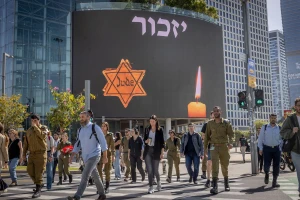
On April 14, Israelis recognized a different kind of siren. It was the solemn, familiar sound that marks Yom HaShoah. At that moment, the entire nation stood still for two minutes of silence. Traffic stopped. Pedestrians paused. Businesses closed. Across the country, daily life halted as Israel remembered one of history’s darkest chapters.
Yom HaShoah, Holocaust and Heroism Remembrance Day, is one of four national days established since Israel’s founding in 1948. Alongside Memorial Day, Independence Day, and Jerusalem Day, it reflects both the sorrow and strength of the Jewish people.
Israel’s calendar moves quickly from mourning to celebration. Yom HaShoah follows Passover and is soon followed by Memorial Day and Independence Day. In a matter of days, the nation remembers deliverance from slavery, grieves the Holocaust, honors fallen soldiers, and celebrates statehood. This rhythm of sorrow and joy defines Israel’s national identity.
For Holocaust survivors living in Israel, this season carries profound emotional weight. They have endured the horrors of Nazi persecution, the trauma of the October 7 attacks, and now the constant threat of missile fire. These overlapping experiences reopen deep wounds that have never fully healed.
Some survivors describe trembling, freezing, or feeling transported back to childhood moments of terror. The sounds of sirens and explosions can trigger memories of hiding, fleeing, or being separated from loved ones. Many say that watching their children and grandchildren experience fear today intensifies the pain, reinforcing a legacy of intergenerational trauma.
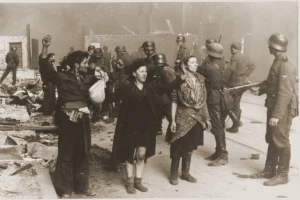
The Holocaust was not simply a war. It was a systematic attempt to annihilate an entire people. Six million Jewish men, women, and children were murdered. Families were destroyed, and survivors carried lifelong scars. Genocide is defined as the deliberate destruction of a national, ethnic, racial, or religious group. That reality underscores the seriousness of modern threats against Israel. Calls for destruction are not symbolic. They reflect intent.
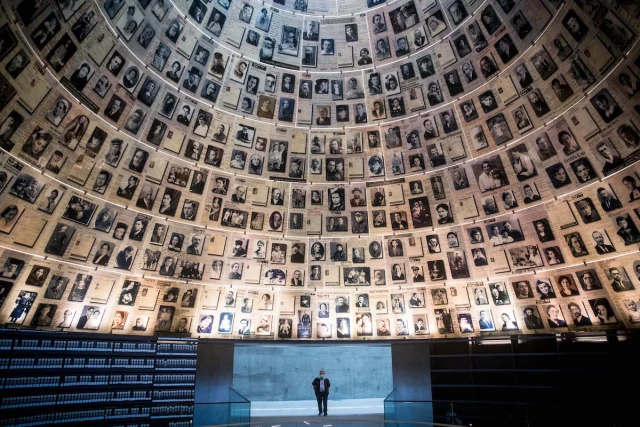
At the Yad Vashem Holocaust memorial in Jerusalem, the annual ceremony brings remembrance into focus. Survivor testimonies are read, honoring both unimaginable suffering and remarkable endurance. In 2026, an estimated 110,000 to 112,000 Holocaust survivors live in Israel. All are at least 80 years old, and more than a quarter are over 90.
Each year, six survivors light six torches in memory of the six million. The ceremony takes place in an outdoor plaza, where the flames rise as symbols of remembrance and resilience. Yad Vashem itself is named from Isaiah 56:5, which speaks of a memorial and a name that will endure forever.
The six torch lighters this year include Saadia Bahat, Miriam Bar Lev, Ilana Fallach, Moshe Harari, Avigdor Neumann, and Michael Sidko. Their lives span communities from Lithuania, the Netherlands, Poland, Hungary, Libya, and Ukraine. Together they reflect the theme of this year’s remembrance, the Jewish family during the Holocaust.
Saadia Bahat was born in Lithuania in 1928. His parents were murdered during the Holocaust. He endured six labor camps, starvation, and harsh conditions. At one point, after his shoes fell apart, he walked barefoot in the snow. Liberated by Soviet forces, he immigrated to Israel in 1946, joined the Haganah, and later served in the Israel Defense Forces. He built a long career at RAFAEL, contributing to Israel’s defense, and received the Israel Defense Prize. He has said that his work became a responsibility to future generations. Today, his family includes children, grandchildren, and great grandchildren.
Miriam Bar Lev, also known as Daisy, was born in Tel Aviv in 1936 and later moved to the Netherlands. Under Nazi occupation, her family went into hiding before being captured and sent to Bergen Belsen. Her father died there. She and her mother endured forced marches, transport in cattle cars, disease, and starvation. Liberated in 1945, they returned to Israel the following year. Miriam served in the military, became a nurse, and helped build the country’s health system. She raised a family that continues her legacy.
Their stories represent only a fraction of what survivors endured. Yet they also testify to resilience, rebuilding, and hope. Many survivors went on to serve in Israel’s defense and contribute to the nation’s growth.
Today, as the remaining survivors enter their final decades, their memories take on even greater urgency. They are living witnesses to history. Their voices remind the world not only of what was lost, but of what must never be repeated.
This article originally appeared here and is reposted with permission.
You might also like to read this: