Strait of Hormuz shutdown triggers $25 billion global economic loss - report




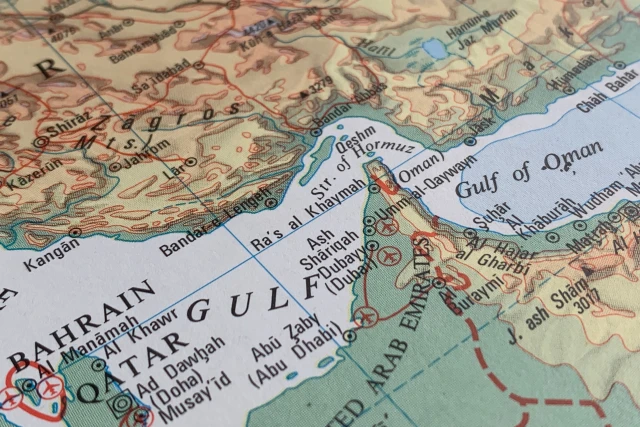
The global economy has suffered around $US25 billion in direct losses due to the shutdown of maritime traffic through the Strait of Hormuz, Reuters reported on Monday. Losses are expected to rise sharply and could reach as much as a quarter of a trillion dollars by the end of the calendar year.
The report was based on statements from 279 international corporations across multiple industries and of varying sizes since the outbreak of the conflict with Iran on Feb. 28. Nearly all had already cut payroll or scaled back operations due to tightening economic conditions resulting from the war. Many had also raised prices for goods and services, while some sought various forms of assistance from governments. Several have also reduced shareholder dividends while increasing fees for routine services.
The companies listed in the report include large energy firms like Exxon, British Petroleum and Chevron, but also consumer companies, including McDonald's and ACE Hardware, which have reported a sharp decline in sales as many working-class households become increasingly cautious about spending in the current economic climate.
Israeli consumers were informed that the government will raise taxes and cut services to pay for the war, which has been going on for two and a half years now. Drivers are paying the equivalent of more than NIS 30 (USD $10) for a gallon of fuel, while the prices of many other household items, groceries and rent have all sharply increased this year.
The main pressure on the global economy stems from a sharp tightening in the supply of petroleum, natural gas and other key commodities produced in the Persian Gulf and exported to global markets via the Strait of Hormuz. While Saudi Arabia, the United Arab Emirates, Iraq and Iran have redirected some crude exports through alternative routes, mainly pipelines, shipments of refined products such as jet fuel and kerosene have largely come to a halt.
Liquefied natural gas flows have also fallen to a fraction of previous levels, while exports of aluminum and helium – both critical for advanced manufacturing, including semiconductors – have reportedly stopped entirely.
Some analysts warn of a major disruption in the global supply of components used to produce agricultural fertilizers. According to the World Food Programme, nearly 30% of the global population is already facing food insecurity, with almost 500 million individuals at acute risk of starvation. They caution that fertilizer shortages could lead to reduced harvests in many regions as early as this autumn, raising concerns about a potential global food crisis.
Oil production has increased in several countries, including the United States, Venezuela and Canada, but the shortfall has pushed up prices and reduced global availability. Meanwhile, the UAE has accelerated construction of another pipeline that will transport crude oil to an export terminal south of the Persian Gulf, bypassing the Hormuz. The project is expected to expand export capacity, but is only scheduled for completion toward the end of 2027 at the earliest.
Recent statements by U.S. President Donald Trump warning that he is preparing to reinitiate hostilities against the Islamic Republic if it does not agree to a deal on his terms in the near future have pushed oil prices higher, with Brent crude reaching $111 a barrel in early Monday trading, and West Texas Intermediate rising to $107. Reports of drone attacks on Saudi Arabia and the UAE over the weekend have also added upward pressure on prices.
Meanwhile, global petroleum reserves are reportedly beginning to decline, with no clear end to the crisis in sight.
You might also like to read this: