How the biblical 'Feast of Trumpets' came to be known as Rosh Hashanah
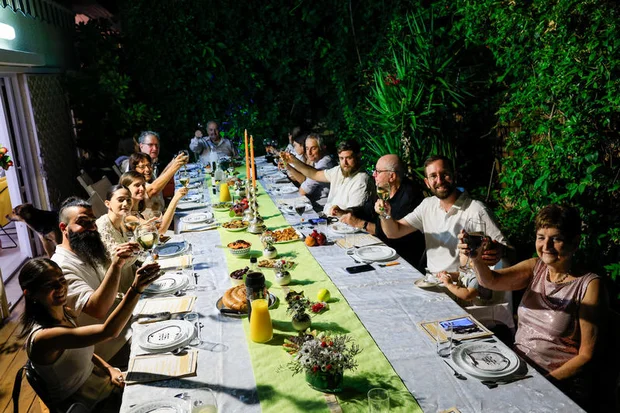
The Feast of Trumpets in the Bible is called “Yom Teruah” in Hebrew, which means something like, “Day of making loud noises!" Teruah is one of the three verbs used to describe the trumpet blast of a shofar and refers to a long, insistent call.
In Israel today, and throughout the Jewish world, the holiday has become known as Rosh Hashanah, which means “Head of the Year.” Quite different. Entirely different, really – one is referring to the original mandate to blow the shofar and the other is linked to a new year’s celebration. How did this come about?
The Feast of Trumpets, as we'll call it, sticking to the biblical name, falls on the first day of Tishrei, the seventh month in the Jewish calendar. Yet another significant detail: it’s not even close to the beginning of the biblical year, according to God’s calendar. The morphing of the Feast of Trumpets into Rosh Hashanah is thought to have been established during the Babylonian exile, when the feast fell at the time of the Babylonian New Year festival, “Akitu.”
The biblical calendar, however, starts in the Spring. The first month, according to God, is the month of Passover, now known as Nisan.
“This month shall be for you the beginning of months. It shall be the first month of the year for you.” (Exodus 12:2)
The Feast of Passover arrives in that first month – and the first day of the first month is at the opposite end of the calendar to Rosh Hashanah on the first of Tishrei. It must be said, though, that the idea of the year coming to an end in the fall is not entirely unscriptural.
Sukkot, also known as the Feast of Ingathering or Harvest, is described twice in the Bible as being at the end of the year:
“You shall keep the Feast of Harvest, of the firstfruits of your labor, of what you sow in the field. You shall keep the Feast of Ingathering at the end of the year, when you gather in from the field the fruit of your labor.” (Exodus 23:16)
“You shall observe the Feast of Weeks [Shavuot], the firstfruits of wheat harvest, and the Feast of Ingathering at the year’s end.” (Exodus 34:22)
If the year is thought to end in the fall, it makes sense that it starts in some sense at that point too – at least agriculturally. We could say with some justification that although the ceremonial head of the year – the first calendar month – is in the spring, the civil or agricultural new year takes place in the fall.
It’s traditional to wish one another a good and sweet new year, with many sweet foods like apples, honey and chocolate to emphasize the point.
Rabbinically, Rosh Hashanah, the Feast of Trumpets, is the day that God is thought to have created the universe. It’s the start of the “Ten Days of Awe” leading up to Yom Kippur, the Day of Atonement. During these days, it is believed that God is opening His Book of Judgment and weighing our deeds, ready to write our name in the Book of Life if all is well on Yom Kippur.
It’s a time of introspection and repentance, when people seek forgiveness and absolution from God and one another.
However, in the Bible, we see that God designed it somewhat differently. In the Law of Moses, which the trumpet blast is supposed to stir back to our remembrance, Yom Kippur is a day when God unilaterally forgives His people based on sacrifices and scapegoats. The God of Israel is the only One in the world to take the initiative to completely wipe out the sin of His people in one day. When we hear the sound of the shofar on the Day of Trumpets, let’s remember that.
The Lord passed before him and proclaimed, “The Lord, the Lord, a God merciful and gracious, slow to anger, and abounding in steadfast love and faithfulness, keeping steadfast love for thousands, forgiving iniquity and transgression and sin, but who will by no means clear the guilty, visiting the iniquity of the fathers on the children and the children's children, to the third and the fourth generation.” And Moses quickly bowed his head toward the earth and worshiped. (Exodus 34:6-8)
Popular article:

interview Easter message of resurrection hope amid war at Jerusalem's Garden Tomb

biblical commentary Let my people go: a Passover message for today

4 IDF soldiers killed, 2 wounded in fighting in southern Lebanon, as Israel eliminates dozens of Hezbollah terrorists

Receive latest news & updates
A message from All Israel News
Help us educate Christians on a daily basis about what is happening in Israel & the Middle East and why it matters.
For as little as $10, you can support ALL ISRAEL NEWS, a non-profit media organization that is supported by readers like you.
Latest articles:
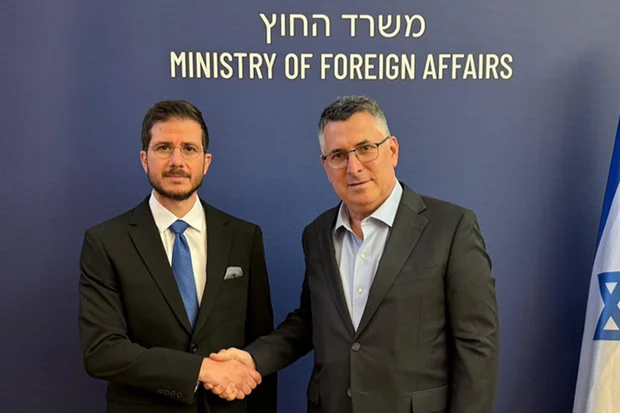
Israel's Christian ambassador warns against support for Muslim Brotherhood candidates
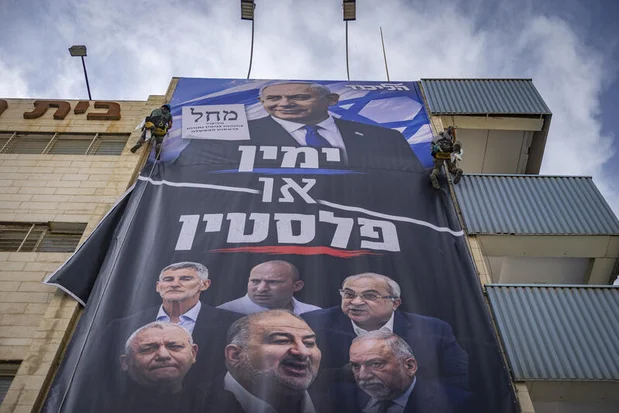
Eisenkot slams Likud for ‘malicious attempt to deny election results’ amid foreign interference probe
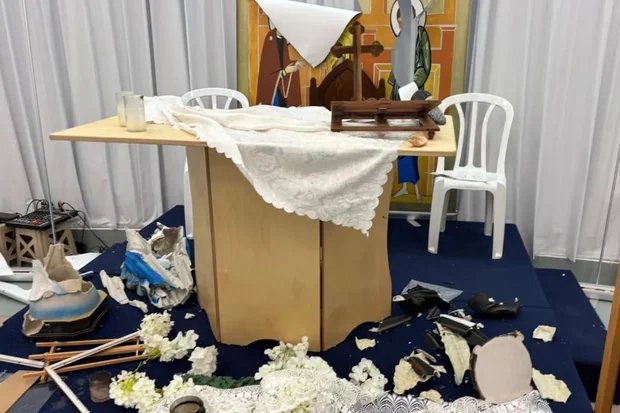
Maronite community forgives vandals who targeted historic church in Nahariya
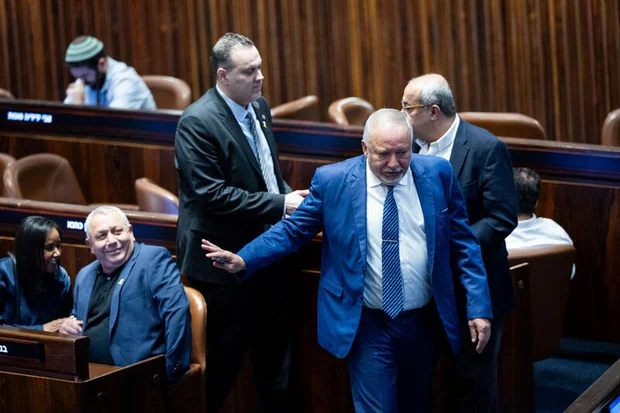
‘Change Bloc’ in disarray: Liberman refuses Eisenkot endorsement as Pres Herzog weighs first candidate to establish new gov’t
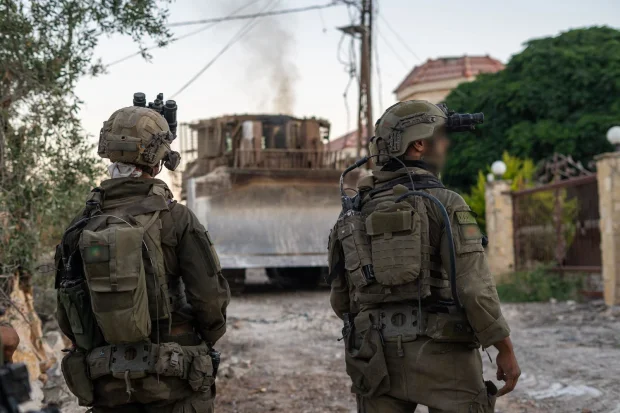
IDF expands academic benefits for reservists, career soldiers after years of wartime service