









all israel edu Where is Gilgal? Searching for Israel’s first foothold in the Promised Land
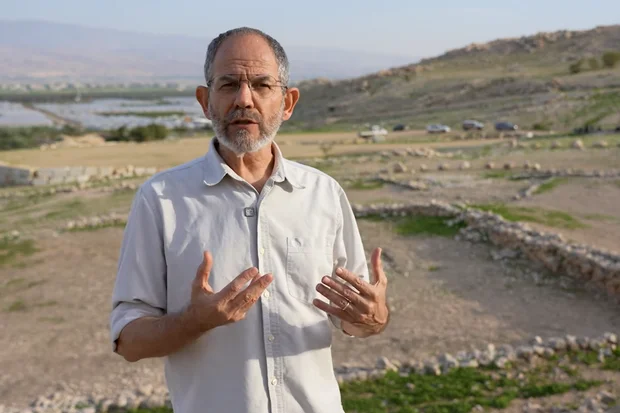
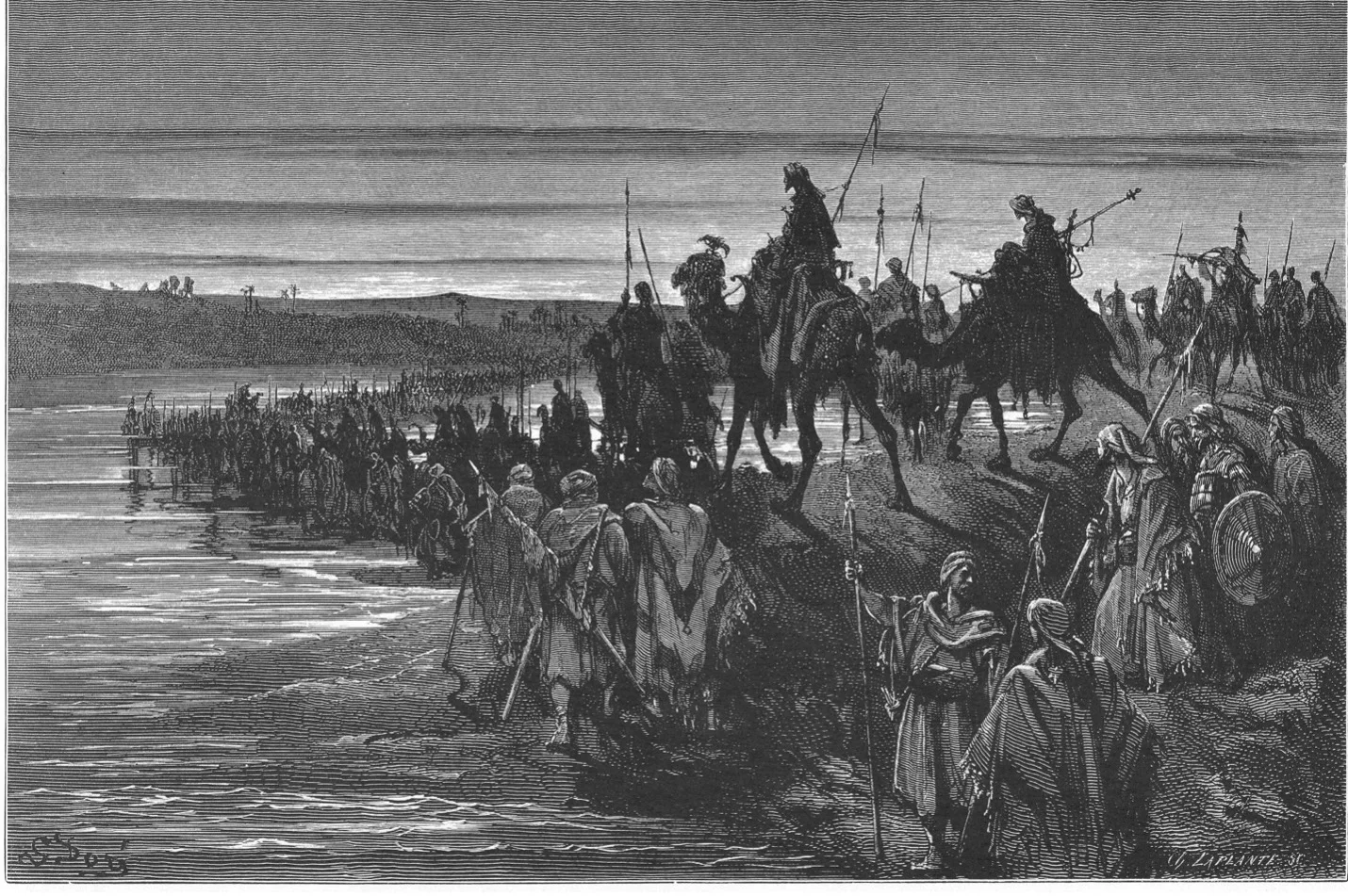
For Bible readers, Gilgal is a name synonymous with new beginnings. It was at Gilgal that the sons of Israel first camped after the miraculous crossing of the Jordan River – where the 12 stones taken from the riverbed were set up as a lasting memorial of God’s faithfulness. It was here that the "reproach of Egypt" was rolled away through the covenant of circumcision.
In Hebrew, the word Gilgal could refer to Galal – a cycle, or Gal – a pile of stones. Despite its prominence – mentioned 39 times in the Bible – the exact location of Gilgal remains an intriguing challenge for biblical archaeology.
The Jericho anchor: A search for the first camp
The "anchor" for identifying Gilgal is found in the Book of Joshua, which places the site on the eastern border of Jericho, between the city and the Jordan River. Most scholars agree that this was the primary location during the period of the conquest.
The Evidence: There is a strong linguistic connection to a site called Tel Jaljul, located about three kilometers east of Jericho, which seems to preserve the ancient name.
The Conflict: Despite this promising name, archaeologists have yet to find or identify the Gilgal of Jericho. Excavations near Jericho have not revealed a distinct cultic site that matches the biblical description of the early Israelite camp.
One Gilgal or many?
Because the name "Gilgal" is almost always preceded by the definite article – HaGilgal (the Gilgal) – many scholars believe it was not the name of a specific city, but a toponym referring to a "circle" or a "pile of stones." This has led to a major debate: Was there only one Gilgal, or were there many?
Some scholars suggest there were at least three to five different locations bearing this name. This theory helps resolve several geographical "riddles" in the text:
The Northern Gilgal: Deuteronomy 11:30 mentions a Gilgal near Mount Ebal and Mount Gerizim, which is far north of Jericho.
The Mountain Gilgal: Joshua 15:7 describes a Gilgal on the border of Judah and Benjamin, "facing the Pass of Adummim," which suggests a location in the mountains rather than the Jordan Valley.
The Elisha Paradox: In 2 Kings 2:1-2, Elijah and Elisha are described as "going down" from Gilgal to Bethel. Topographically, if one starts in the Jordan Valley (the Jericho Gilgal), they would need to travel uphill to reach Bethel, not down.
However, other traditionalists argue there was only one primary site near Jericho, suggesting that other mentions might be the result of scribal errors or misinterpretations.
The footsteps of God: A new archaeological theory
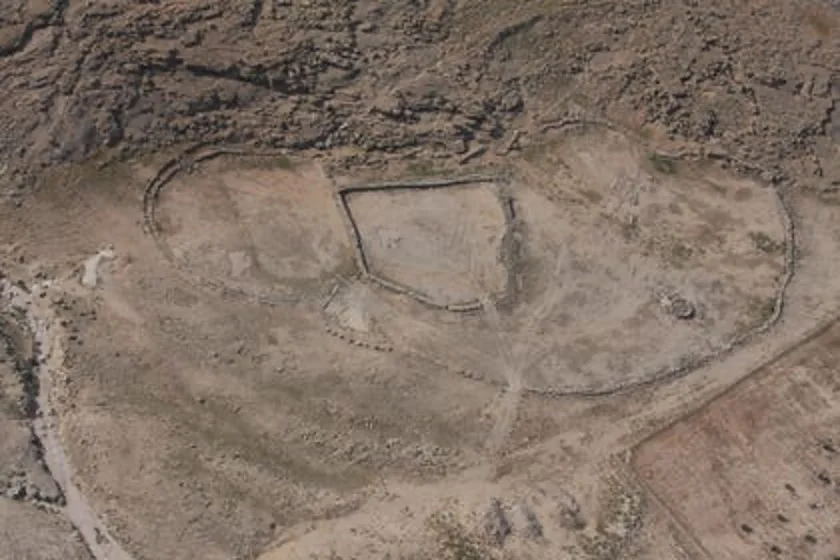
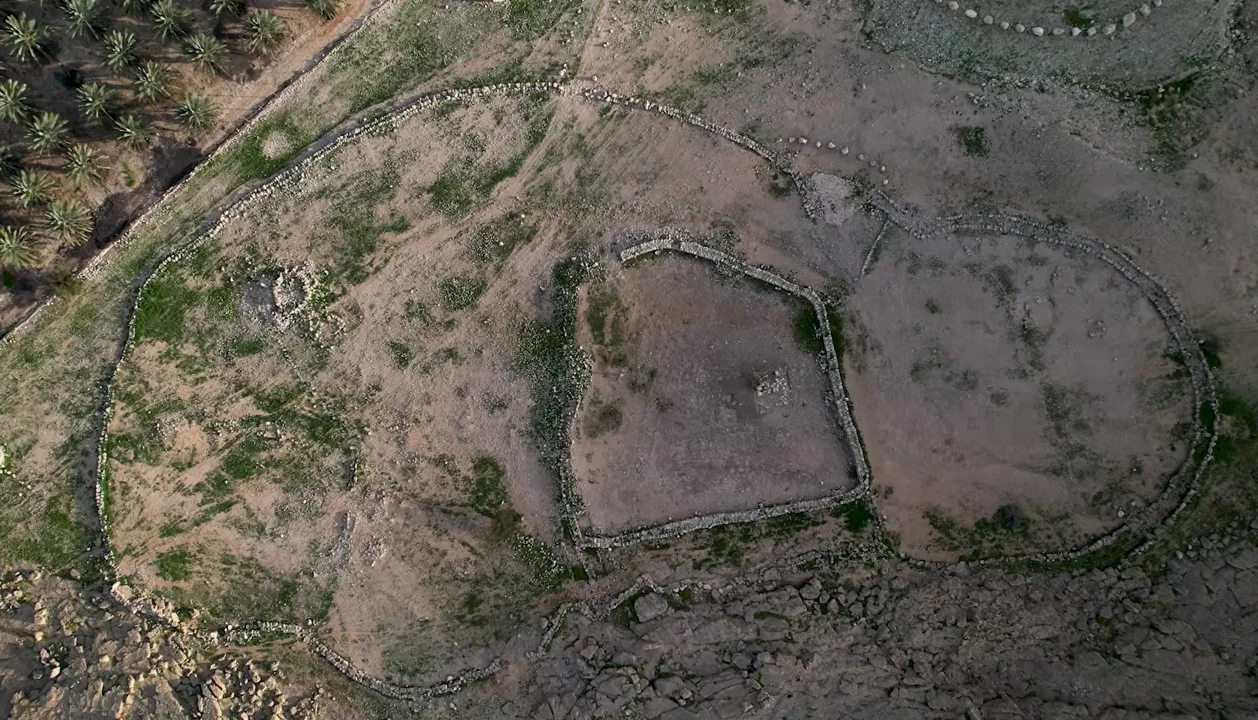
A fascinating third option emerged through the work of the late archaeologist Adam Zertal. During surveys of the Jordan Valley and the mountains of Manasseh, Zertal discovered six unique elliptic stone enclosures. Remarkably, these structures were built in the shape of a human foot.
Zertal proposed that these "footprints" were the biblical Gilgals – cultic sites used for gathering in the pre-monarchial period, before the central temple was established in Jerusalem. He connected this to the Hebrew term for pilgrimage festivals, regalim (Exodus 23:14), which literally means "feet."
This theory aligns with the biblical promise that "every place where the sole of your foot steps will be yours" (Deuteronomy 11:24). While these sites date to the correct period (Iron-1), the theory remains controversial because the Bible does not explicitly describe Gilgal as being foot-shaped.
Why can we not yet decide
Ultimately, it is impossible to definitively decide on a single location for Gilgal for several reasons. First, the term itself may refer to a topographic expanse rather than a pinpointed settlement, making it difficult to find "ruins" of a site that was essentially a seasonal gathering place.
Second, the archaeological record is silent near Jericho, where the Bible is most specific about its location.
Third, the conflicting geographical data – such as "going down" to Bethel – suggests that the biblical writers may have been referring to different sites that shared the same functional name.
The story of the search for Gilgal is an example of how archaeology cannot always support everything written in the Bible, but it may shed new light on what the author of the Bible did not tell us.
Though we may never discover Joshua’s Gilgal, the Bible gives us the assurance that it was a real place. Adam Zertal's discovery of the foot shapes, on the other hand, though not referenced in the Bible, was a real find, regardless of what purpose they served.
Is All Israel News’ faith-based reporting important to you? Be part of it—help us continue by becoming a $5/month supporting partner.
Popular article:
interview Easter message of resurrection hope amid war at Jerusalem's Garden Tomb
biblical commentary Let my people go: a Passover message for today

4 IDF soldiers killed, 2 wounded in fighting in southern Lebanon, as Israel eliminates dozens of Hezbollah terrorists
Receive latest news & updates
A message from All Israel News
Help us educate Christians on a daily basis about what is happening in Israel & the Middle East and why it matters.
For as little as $10, you can support ALL ISRAEL NEWS, a non-profit media organization that is supported by readers like you.
Latest articles:

all israel edu Israeli fighter jets flew to Iranian border in ‘power projection,’ deterrence exercise ahead of elections next week

all israel edu Israeli intel chief Zini travels to France to give counterterrorism advice amid violent riots – report

all israel edu Founding trustee of Oxford’s Islamic studies department believed Muslims should ‘continue the work of Hitler’

all israel edu 'Peaceful dialogue is not a crime:' Petition urges Lebanon to abolish its Israel Boycott Law

all israel edu Israeli defense companies expand global reach with new deals in Cyprus, Germany and Canada