Israel set to reinstate death penalty for terrorism, murder amid legal and religious debate



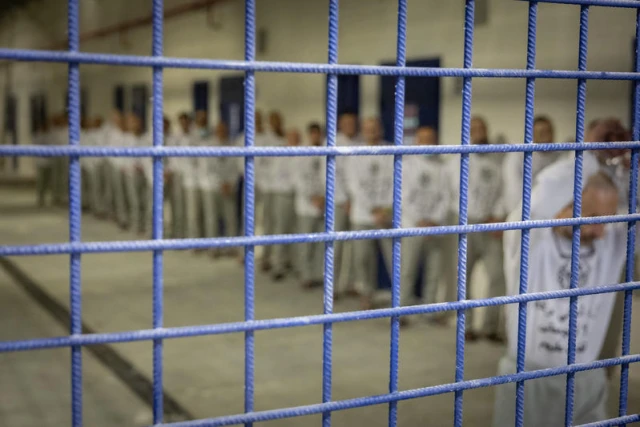
The Knesset is expected to pass legislation this week that would reinstate the death penalty for certain cases of terrorism and murder, marking a significant shift in Israeli law. The proposed law includes judicial oversight and an appeals process, while also distinguishing between attacks carried out in Judea and Samaria (West Bank) and elsewhere in Israel. It would also prevent the release of those sentenced to death in exchange for Israeli hostages.
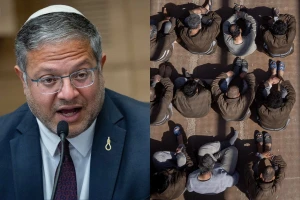
The original bill, championed by Itamar Ben Gvir, mandated the death penalty for terrorist acts without any possibility of appeal or sentence reduction. Ben Gvir argued that this approach was both morally just and necessary to deter terrorism. However, Prime Minister Benjamin Netanyahu intervened, amending the legislation to include judicial oversight, an appeals process, and distinctions between attacks in the West Bank and elsewhere in Israel. The amended law reflects Netanyahu’s efforts to address legal concerns while retaining the bill’s security objectives.
Supporters of the amended measure argue it is necessary to address security threats and deter terrorist acts, while critics have raised legal, religious, and international concerns. Opposition lawmaker Gilad Kariv said that “no serious evidence has been presented showing that the death penalty increases deterrence.”
Idan Ben Yitzhak, legal advisor to the Knesset’s National Security Committee, warned that “the absence of any possibility of clemency… may conflict with international conventions and create legal challenges.”
European allies, including the UK, France, and Germany, have also expressed concern over the legislation.
Proponents, including the chairman of the National Security Committee, Zvika Fogel, have defended the bill, stating, “In an exceptional reality like ours, exceptional tools are required to fight terrorism. Anyone who comes to murder Jews out of terrorism bears responsibility for their own fate.”
Israel has a complex history with capital punishment, shaped by the legacy of the Holocaust. While death sentences were included in the British Mandate-era legal code, most were abolished by 1954 and have only been applied in extreme cases, such as treason, genocide, crimes against humanity, or crimes against the Jewish people during wartime.
The most notable execution in Israeli history was that of Nazi war criminal Adolf Eichmann, who was hanged at Ramla prison on June 1, 1962. Another early execution took place on June 30, 1948, when IDF officer Meir Tobianski was wrongly executed for allegedly passing information to the Jordanian Army; he was posthumously exonerated, and the case influenced Israeli judicial reluctance toward the death penalty.
In 1988, John Demjanjuk (born Ivan Mykolayovych Demjanjuk), a guard at Sobibor and two other extermination camps, was sentenced to death for participation in crimes against humanity. His sentence was overturned in 1993, and no death sentences have been issued by Israeli courts since.
The upcoming legislation is expected to pass though it is likely to face legal challenges in the courts.
You might also like to read this: