Hurry up and wrap up this war


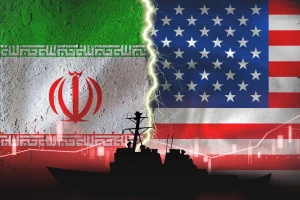
In the midst of an exceedingly complex war with Iran, where so many factors have to be weighed up, as to the best and most effective way to proceed, President Trump has expressed his frustration and disgust with Democratic leaders who are pressuring him to get out of the war now.
The rush into a bad deal, furiously being pushed by Senate Minority Leader, Chuck Schumer, drew the following brusque reaction from the president:
“We can’t let traitors like Schumer put pressure on us, where they say, ‘we want out.’ Think how bad that is! I’m negotiating with these people, and they’re telling us, ‘we have to get out now, we have to get out now, we have to get out now.’ They shouldn’t be saying that when we’re in the middle of a negotiation, because it does hurt us somewhat. It gives the other side some hope, and I don’t want them to have hope.”
President Trump is correct to feel a great sense of frustration, because, as stated by White House press secretary, Karoline Leavitt, “He doesn’t care about anything, except doing what’s in the best interest of the country.”
Now, if he would only apply that same principle to Israel! How many times have we had the enemy on the run, making great strides and on the verge of complete victory, only to be told by our American friends, “That’s enough. No more fighting!”
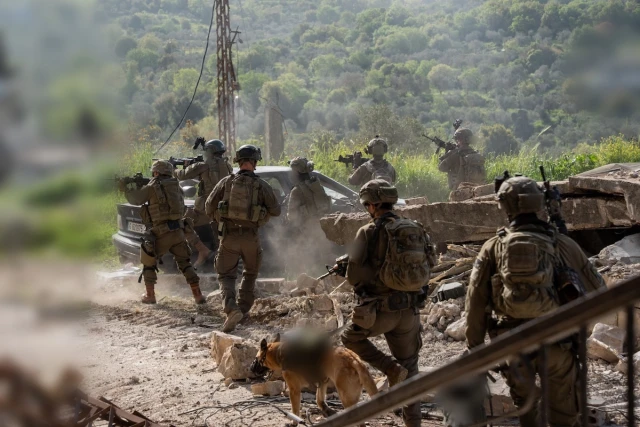
It happened just recently as our IDF soldiers in Lebanon were in the midst of fighting a fierce battle with what remains of the terror group Hezbollah. After weeks of constant enemy rocket fire, into our northern communities, giving residents no rest, the order came by President Trump, himself, to immediately stop our defense so that he could broker a peace deal without any hindrance.
Naturally, we complied, despite that demand not being in the best interest of Israel. But what else could we do? Like obedient and grateful allies, we did what we were told.
In the end, not only was no peace deal forthcoming, but the Iranians never even had any intention of sitting at the negotiating table with the U.S. In short, the only thing that came of it, was our lost valuable time and momentum in continuing a fight that must be finished.
Sadly, this is our history. In return for the great benefit of being helped by a superpower, that has the ability to provide whatever is lacking in the Jewish State, there are conditions to that assistance, often accompanied by the imperative to stop fighting, just as we are on the road to winning.
Frustrating? You bet! Because we know that each time we are asked to wind down or completely halt our operations, the reality is that we will have to resume where we left off, at a later date.
There is much to be said for finishing a job that was started. In the case of war, it’s even more urgent, since it involves the difference between life and death.
In the Middle East, power and strength is the only language that everyone understands. To be seen as those who lay down their weapons, when told to do so by someone else, emits a weakness and, as Trump rightly said, gives the enemy a sense of hope which then serves to empower them.
How is it that it’s so clear to him when it relates to the U.S. but not so much when it comes to Israel, the only democracy in this region? The dubious peace deals, which are not even worth the paper upon which they’re written, are meant, by the enemy, to simply buy some extra time. That is all! And as clear as that is, it never seems to be understood by the U.S., which strictly operates on the basis of political expedience.
For them, being able to proudly declare peace, gives them that coveted feather in their cap, where they can boast accomplishments that others before them were unable to achieve. It’s the stuff of self-aggrandizement, because if the agreement doesn’t hold for more than a few months, what was really gained? Just the momentary pat on the back!
If we look back to June, 2025, we were told that those bomb busters, dropped on the nuclear facilities, was the magic pill that would set Iran’s ambitions back by many years to come? So why are they now saying that Iran was on the very precipice of finally developing nuclear capabilities?
Perhaps, it can be chalked up to the fact that the war, back then, ended prematurely, all for the sake of not following in the footsteps of engaging in the “forever wars” which became an unacceptable template to be repeated.
Ironically, the ones who were the most critical about when a war should be finished, were the same characters who had waged those 20-year wars. But when another party does it, who pays attention?
The moment it’s advantageous to them to find fault with the opposing administration, it becomes their “go-to” disparagement, blaming the Trump administration for not getting the job done fast enough. That kind of pressure works, not only because it comes from the opposition, but also because it often ends up being a self-imposed deadline.
The more criticism that is hurled at you, the faster you want to wrap up – just to show them that you are more adept and skillful in your ability to bring peace and foster relations between individuals who could have never, otherwise, reached an agreement.
But the one big difference between the U.S. and Israel is that while the U.S. makes many of its decisions, based on political considerations, Israel does not have the luxury to do so, since it is constantly fighting existential wars, knowing that each one could be their last.
It means that we must do our best to make sure that the enemy, which is set on finishing us off, gets taken down by us first. And that can’t always be accomplished within a few days or even weeks.
Consequently, Israel finds herself caught in this vicious cycle of inflicting some damage upon the enemy but never being allowed to complete the job. Maybe President Trump will finally be able to internalize what we’re up against, after having been forced to experience it himself!
You might also like to read this: