Preparing the way: JNF launches tree planting initiative bringing life back to Gaza Envelope



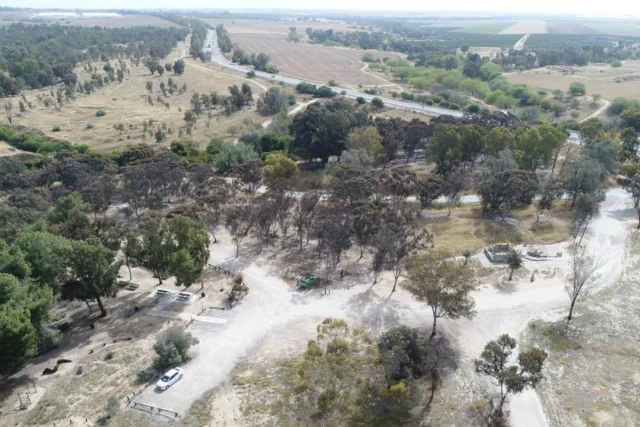
A new initiative by the Jewish National Fund to populate 12,000 acres of land near the Gaza border with trees is underway, in an effort to bring life and hope back to the region.
Swathes of land around the Gaza envelope seem devoid of life, still holding the memories of the Oct. 7 massacre. Now Keren Kayemeth LeIsrael-Jewish National Fund (KKL-JNF) has begun replanting trees in earnest as part of a restoration project in the area, according to Ynet News.
As an organization, KKL-JNF has been working for over a century to develop the land of Israel and strengthen the bond between the Jewish people and their homeland, facilitating the planting of over 250 million trees. Israel was one of the few countries in the world entering the second millennium with a net increase in trees as a result, in contrast with the deforestation so common around the globe.
Ynet reports that to mark 125 years since their establishment in 1901, KKL-JNF has launched an initiative to plant trees at Kibbutz Re’im, situated just four kilometers (less than three miles) from the Nova site at Be’eri.
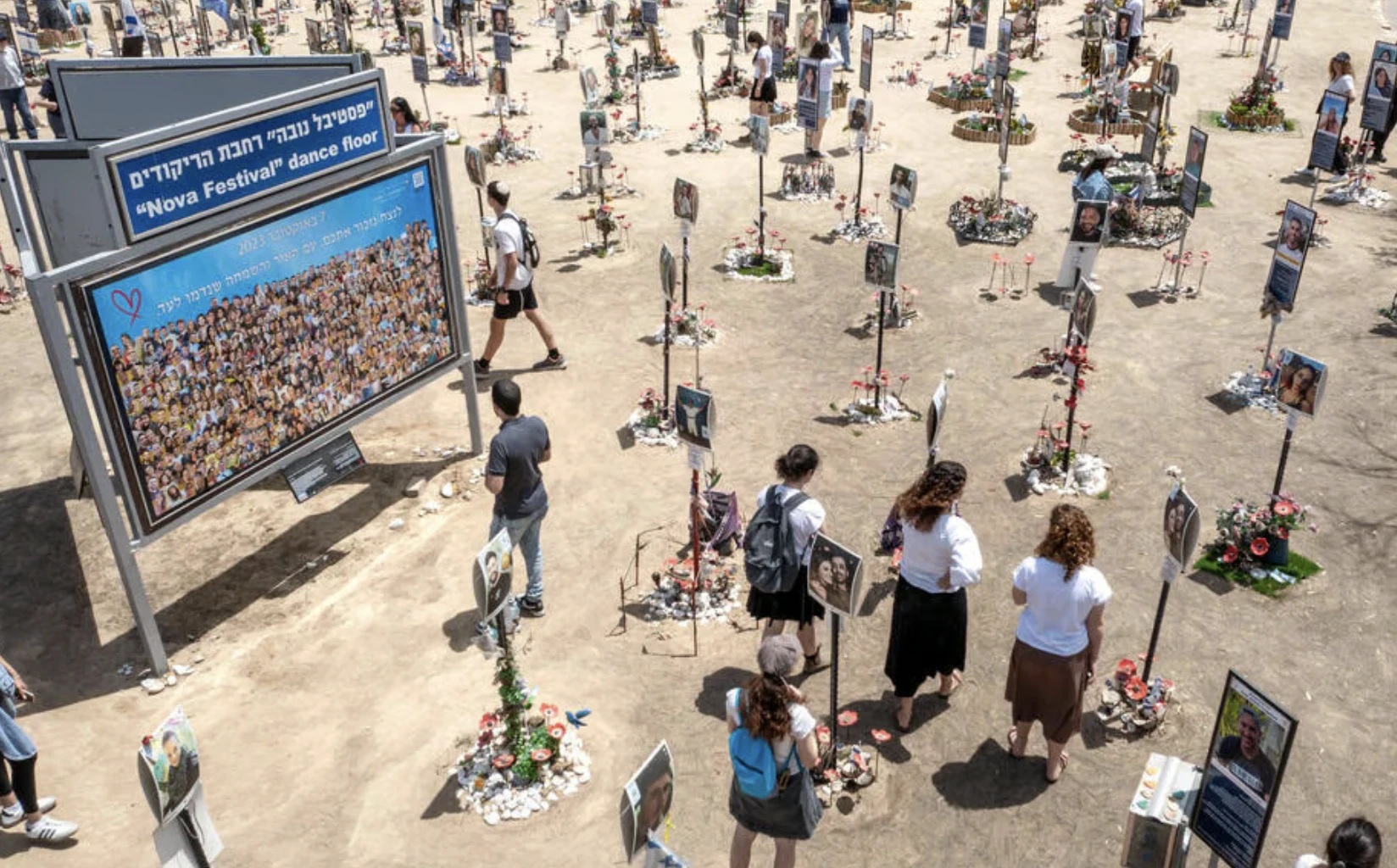
Last year on Tu B’Shvat, Israel’s Arbor Day, hundreds of trees were planted at the Be’eri site, one for each life lost, along with an array of memorials and displays commemorating the dead. Now KKL-JNF has raised funds to develop the nearby site at Re’im, where visitors are flocking to pay their respects.
According to Ynet, the new developments will make the site safe, dignified, and meaningful with accessible pathways and facilities such as parking and bathrooms. Much thought has been invested in making the area suitable for visitors, with the planned provision of fresh drinking water stations and land irrigation, shaded seating areas, on-site staff and security cameras, together with more permanent information about each victim to replace temporary signs and displays.
Much of the landscape around the Gaza Strip has been torched time and time again as incendiary devices were hurled into the forests and fields from Gaza. In an effort to restore the area, saplings of all kinds of trees, including acacias, eucalyptus, sycamores, jujube trees, and tamarisks, are being planted throughout 620 dunams (about 153 acres) of land.
“This war was a real trauma – not only for the people who were killed or kidnapped, but also for nature itself. Because this is a desert environment, the forest cannot regenerate naturally. Every tree that is lost is truly lost, and replacing it requires planting a new one,” said KKL-JNF Forest Engineer Dr. Michael Sprintsin.
Planting a tree is not merely practical and environmentally beneficial, preventing soil erosion and paving the way for new ecosystems to develop – it is also an act of hope. It takes years for trees to grow, so planting them is an expression of faith for the future. This idea is deeply ingrained in Jewish thought, and planting trees has been a faith-filled activity of claiming ground and preparing the way for a fruitful future since biblical times.
“Abraham planted a tamarisk tree in Beersheba and called there on the name of the Lord, the Everlasting God” (Genesis 21:33).
“Each tree is a tribute, a seed of a better future rooted in sacred ground. Each tree is a promise those lost will never be forgotten,” the fundraising page states.
The “Rooting for the Future” project aims to develop a new wooded area, the “Iron Swords Forest,” to honor the memory of those lost on Oct. 7 and in the war that followed.
“I believe this says a great deal about the people of Israel – that even after tragedy, bloodshed and suffering, there is an ability to heal, both through nature and as a nation,” Sprintsin said.
You might also like to read this: