Does archaeology confirm biblical prophecy?





Introduction: A bridge between faith and evidence
For generations, believers have cherished the Bible not only as sacred scripture but also as a profound historical record. Yet, critics have often questioned whether its prophetic claims could possibly be genuine. How could ancient prophets foresee events that unfolded centuries later?
Here’s the surprising truth: modern archaeology is helping to answer that question – offering compelling evidence that supports not just biblical history but biblical prophecy.
While many view archaeology as a science of bones and bricks, in the service of scripture, it becomes something much more powerful – a tool that uncovers physical proof of the Bible’s divine inspiration. Astonishing discoveries in Jerusalem and beyond are validating names, events, and even prophetic predictions once dismissed as religious myth.
Prophecy under fire: The skeptical view
The biblical prophets claimed to speak the very words of God – foretelling future kingdoms, destructions and restorations. Yet, many modern scholars argue these prophecies were written after the fact, essentially making them historical fiction disguised as divine foresight.
Below are three prominent examples of how critics challenge prophetic authenticity:
1. The Book of Daniel: A postdated prophecy?
Skeptics argue that the Book of Daniel wasn’t written during the 5th century B.C., as traditionally believed, but centuries later, during the Hellenistic era in the 2nd century B.C. Why? Because Daniel describes – with uncanny accuracy – events that would take place long after his time. To critics, that level of precision can’t be prophecy – it must be hindsight posing as foresight.
2. The Book of Isaiah: One prophet or many?
Isaiah’s first 39 chapters reflect the 8th century B.C., during the time of the Kingdom of Judah. But chapters 40-66 describe the return from the Babylonian exile and even mention King Cyrus of Persia by name – a ruler born over a century later. As a result, many scholars insist the later chapters were written by a different author whom they call “Second Isaiah,” or even a third.
3. The Book of Jeremiah: After-the-fact editing?
Jeremiah predicted the fall of Jerusalem and the exile of Judah – both of which came to pass in shocking detail. But critics suggest that the book must have been edited after the events occurred, inserting prophecies to make Jeremiah appear more accurate than he was.
Admittedly, it’s difficult to counter these claims through manuscript evidence alone. We don’t possess the original prophetic scrolls – only later copies. However, the earth itself is beginning to tell a different story.
Archaeology to the rescue: Unearthing truth from stone
Nowhere is the intersection of prophecy and archaeology more vivid than in the Book of Jeremiah. Jeremiah names a remarkable number of real people – officials, scribes, and nobles.
For centuries, these individuals were known only through scripture. But recent archaeological findings are changing that.
What are bullae and why do they matter?
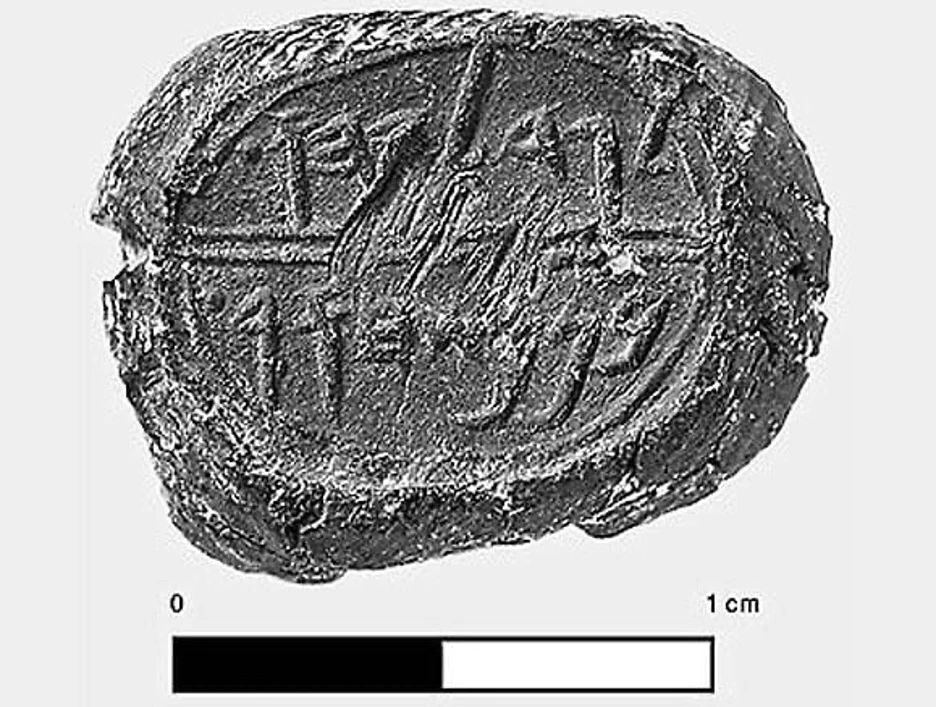
A bulla is a clay seal impression – used in ancient times to secure documents and letters, much like a wax seal. If genuine, a bulla that bears someone’s name serves as a powerful witness to their historical existence.
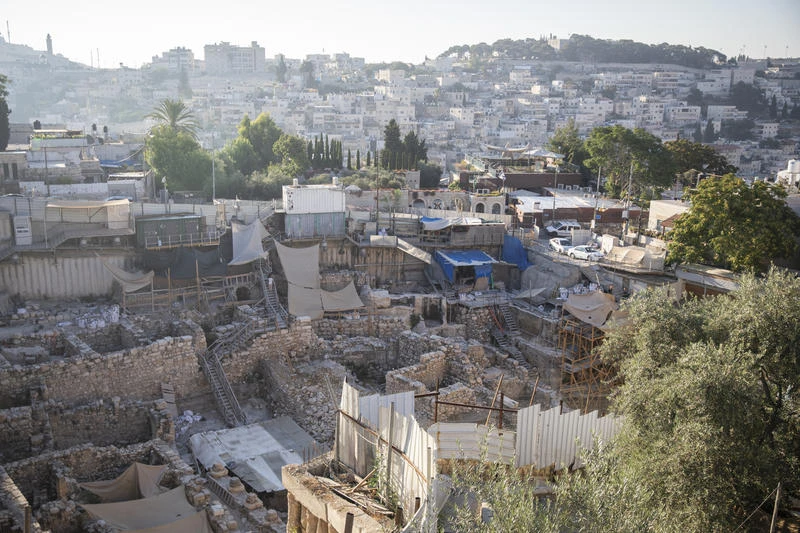
And in the heart of ancient Jerusalem, dozens of these seals have been found – bearing the exact names of figures listed in the Book of Jeremiah.
Case Study: The Book of Jeremiah vindicated by Archaeology
Gemariah, son of Shaphan
In 1982, the Israeli professor Yigal Shiloh discovered a collection of 51 bullae in the City of David, in ashes from the destruction of Jerusalem by the Babylonians. One bore the name Gemariah, son of Shaphan, a royal scribe during the reign of the last kings of Judah. His family is frequently mentioned in Jeremiah’s writings, and Gemariah himself appears in chapter 36, where he hears the prophet’s words and tries to protect the scroll. Eventually, King Jehoyakim puts his hands on the scroll and burned it in the fire. This seal, which was found in the ashes, strongly supports the authenticity of the prophecies.
Gedaliah, son of Pashhur
Discovered in 2008, his bulla bears the same name as one of the officials who pushed for Jeremiah’s execution (Jeremiah 38). This individual, once known only through the biblical text, is now confirmed by an archaeological find.
Jehucal (Jucal), son of Shelemiah
Also found in 2008 near the ruins of an ancient royal palace, Jehucal is another official listed among those who conspired against the prophet Jeremiah. His name appears on a separate seal, further grounding the biblical narrative in history.
Baruch, son of Neriah
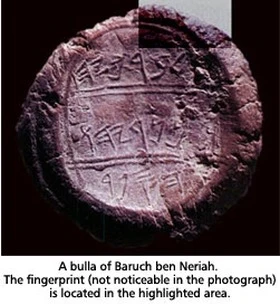
Perhaps the most exciting find – a seal inscribed with “Berechiah son of Neriah the scribe” – was brought to archaeologist Nahman Avigad in 1979. This is widely believed to be the personal seal of Baruch, Jeremiah’s scribe and close companion. Though acquired from antiquities dealers, it is considered authentic and serves as a remarkable confirmation of scripture.
What can we conclude?
These discoveries form a growing body of evidence that the individuals, events, and political structures described in the Book of Jeremiah are rooted in historical reality.
The book's case for authenticity is significantly strengthened by these findings. It is highly unlikely the book was written retroactively after the destruction, because it contains accurate references to real people from Jeremiah’s lifetime – some of whom tried to kill him, others who aided him.
Archaeology doesn’t just support the history of the Bible – it lends powerful credibility to the genuineness of prophecies. It turns out the stones do cry out. They testify not only to the past but to the divine hand that revealed the future before it came to pass.
Is All Israel News’ faith-based reporting important to you? Be part of it—help us continue by becoming a $5/month supporting partner.
You might also like to read this: