'Living Desert' – The awakening landscape of winter in Israel's arid south





In 1953, the documentary film The Living Desert was released in the United States. It was the first full-length nature documentary produced by Walt Disney Studios and portrayed the lives of animals inhabiting the arid regions of Arizona.
Revolutionary for its time, the film employed innovative wildlife cinematography techniques that had never before been used on such a scale. Among its most memorable scenes were a roadrunner preying on a snake, clashes between rival male tortoises, and a dramatic confrontation between a tarantula and a rattlesnake.
The film exceeded all expectations at the box office, becoming a major commercial success. It went on to win an Academy Award, a Golden Globe, and several international prizes.
In its closing moments, a violent flash flood surges across the parched landscape, revitalizing the terrain and awakening dormant plant life. This transformation culminates in a breathtaking sequence of cactus flowers blooming at astonishing speed, achieved through the then-revolutionary time-lapse technique.
Rather than filming continuous motion, the crew used specialized cameras that captured single frames at fixed intervals – sometimes minutes or even hours apart. When projected at standard speed, this technique compressed hours-long natural processes into seconds, revealing hidden rhythms of life in dry environments.
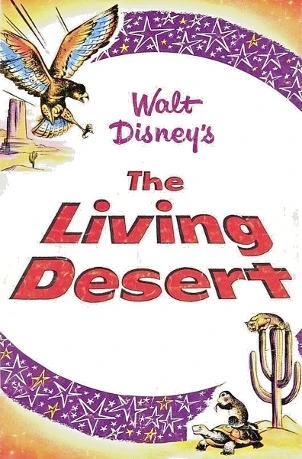
During my childhood, our home held a book filled with still images from The Living Desert. I adored it. Even before I could read, I was captivated by the photographs that accompanied the text. Visiting Israel’s southern expanses this year felt like stepping directly into the world portrayed in that film.
Israel’s southern region is largely arid, characterized by scarce rainfall and sparse vegetation. These areas are naturally less populated than the country’s fertile zones, yet they draw adventurous travelers in search of dramatic scenery and wide-open spaces.
Every few years, however, an unusually wet winter transforms the Israeli deserts into a vibrant ecosystem. Rainy seasons in the south are not always mirrored by heavy precipitation in the north. This year, for instance, Israel’s southern and eastern dry regions experienced exceptional rainfall early in the winter, even as the Galilee and the Golan Heights saw only average conditions.
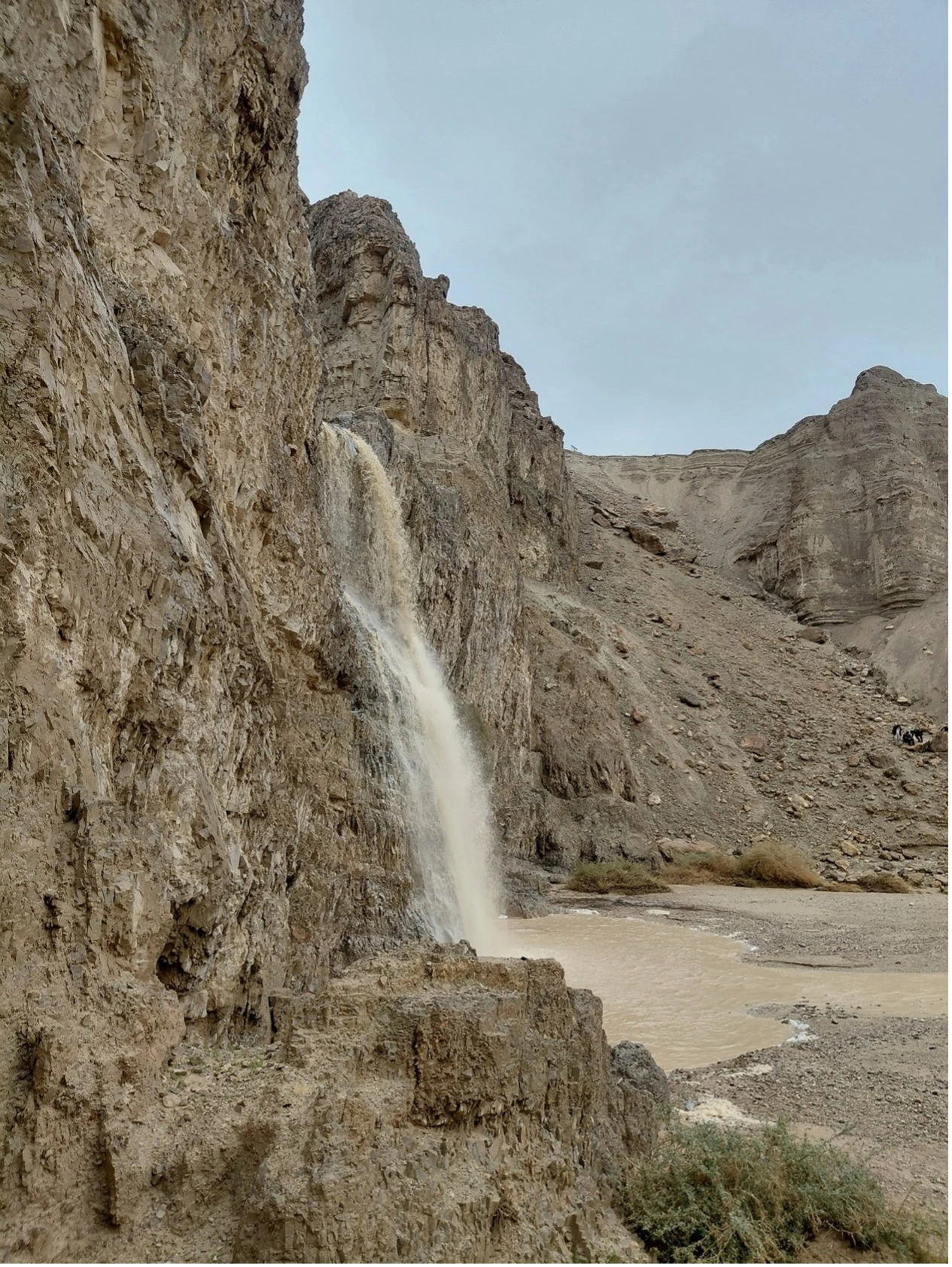
As a result, once-barren ground is now blanketed in greenery and blooming flowers. Across the country, people are heading south to witness this rare transformation and to enjoy the pools of water left behind by flash floods.
In the middle of winter, these arid regions are literally in spring. This blossoming season lasts no more than two months, during which the hills are covered in green and flowers. When spring arrives in the north of the country, all the greenery and blossoms in the south would already be behind us, and it would have returned to the grip of a long, scorching summer.
Winter, therefore, is the ideal time to travel south and experience a spectacle that appears only once every few years. Sometimes, many years pass before such scenes can be seen again. The winter of 2025-2026 is one such rare season – a year in which the desert awakens and reveals sights unseen for a long time.
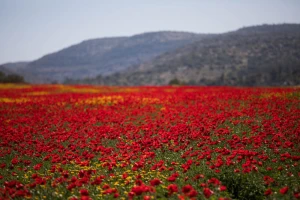
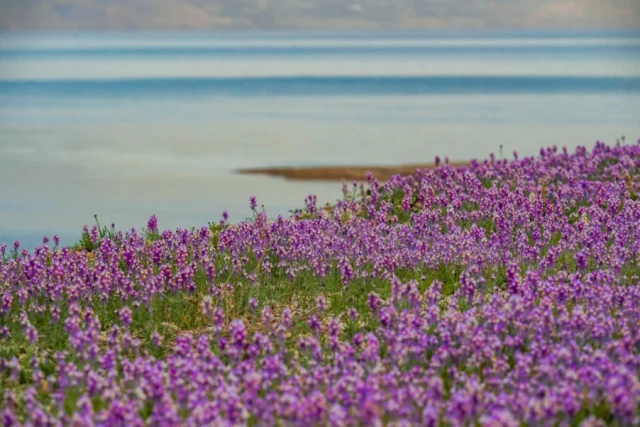
Anyone descending from Jerusalem toward Jericho can currently see once-barren hills draped in a vivid green blanket. Within another month, these slopes will also be covered with red buttercup flowers. By April, however, the greenery and blossoms will have vanished. Even along the shores of the Dead Sea by the dry Judean Desert, carpets of flowers emerge, easily mistaken for scenes from another country.
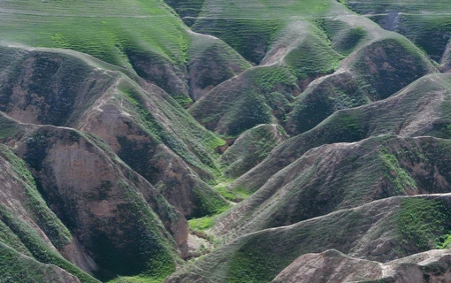
This is the time to go south: to walk the open spaces, to admire the scenery, and to photograph it. Like many Israelis, I too am heading out this year to experience the awakening landscape. For a brief moment, it offers its beauty to anyone willing to travel through its vast expanses – and then, just as quickly, it falls silent once more.
You might also like to read this: