Israel boosts security nationwide as Ramadan begins amid regional and internal tensions





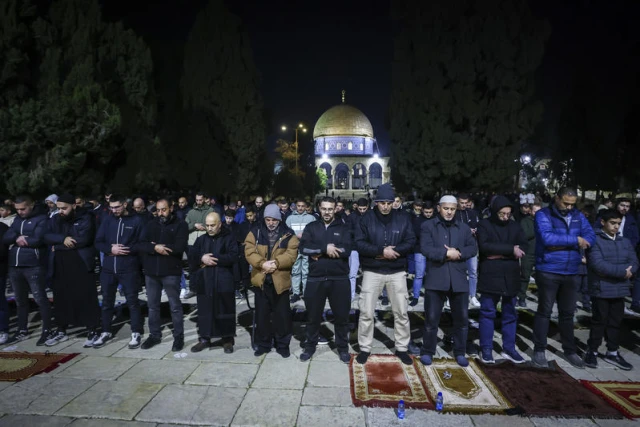
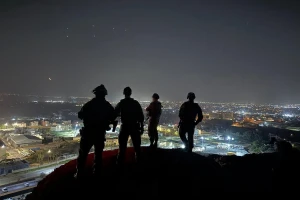
The month of Ramadan began this morning in Israel under heightened security across the country. Authorities have boosted readiness in Jerusalem, reinforced the Commando Brigade in Judea and Samaria [the West Bank], and deployed a significant strengthening of forces along the seam line, while the IDF remains on alert amid tensions with Iran and the possibility of regional escalation.
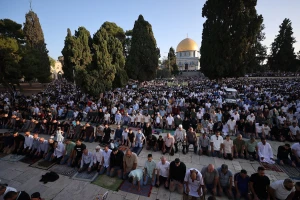
Israel’s political echelon approved a recommendation from the security establishment to allow 10,000 Palestinian worshippers onto the Temple Mount for Friday Ramadan prayers, following a security assessment. Entry will be limited to men 55 and older, women 50 and older, and children up to 12 accompanied by a first‑degree relative.
Permits for Temple Mount access will require prior security clearance from the Israeli security establishment. In addition, worshippers returning to Judea and Samaria after Friday prayers must undergo digital documentation at checkpoints.
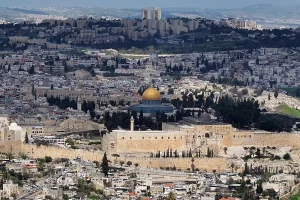
Ramadan has begun amid an ongoing war and heightened security tension in Judea and Samaria. Authorities are also concerned about potential clashes at flashpoints in Jerusalem, including around the Old City and Temple Mount.
Security officials have warned that “the working assumption is a severe one, and preparations are being made for the worst-case scenario.” Thousands of police and Border Police officers will deploy across Jerusalem, with special emphasis on Old City gates, major roads, and the Temple Mount area.
A central point of contention is the worshipper's entry from Judea and Samaria into Jerusalem. Officials have recommended quotas and age limits, primarily on Fridays, when tens of thousands are expected to arrive at the Temple Mount.
At the same time, proactive security measures have been taken, including arrests on suspicion of incitement, monitoring of social media, and the operation of an awareness command center to detect calls for violence or attempts to organize unusual gatherings.
Managing unauthorized residents is also a priority. In the past week, authorities blocked roads near the northern Jerusalem security barrier to curb uncontrolled entries, while the IDF has bolstered the seam line and intensified counter‑terror operations in Judea and Samaria, deploying significant forces including the Commando Brigade to key friction areas.
The most sensitive issue is Jewish access to the Temple Mount during the last ten days of Ramadan, a particularly volatile period. In previous years, temporary limits were imposed on such visits to reduce friction. At this time, no decision has yet been made on whether that policy will continue.
Meanwhile, Israel’s security establishment is also on alert on the northern and regional fronts as part of internal preparations.
The IDF is simultaneously maintaining high readiness amid tensions with Iran. While diplomatic talks continue and media leaks have surfaced from both sides, Israel is also preparing for a possible escalation or sudden military development.
Security officials have emphasized that the combination of religious sensitivities, internal security pressures, and regional threats requires comprehensive, multi‑front readiness.
You might also like to read this: