Jerusalem ranks as worst Israeli city to live in, with worst quality of life, new report finds
Rehovot, Ramat Gan and surprise winner ranked as Top 3 Israeli cities to live in




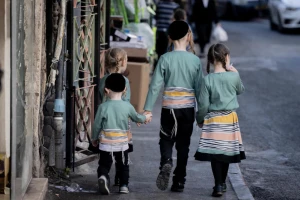
Israel’s Central Bureau of Statistics (CBS) has been collecting data on the quality of life experienced by people across the country. In results released this week, and to some surprise, Jerusalem ranked last among the 16 cities surveyed.
Israeli cities with over 100,000 residents were divided into three groups – above average, mid-range, and below average – based on 52 indices measuring well-being and quality of life.
Cities ranked as above average were Kfar Saba, Rehovot, Ramat Gan, Rishon LeZion, Beersheba and Tel Aviv.
The mid-range group included Holon, Netanya, Petah Tikva and Haifa, while Beit Shemesh, Ashkelon, Ashdod, Bnei Brak, Bat Yam and Jerusalem were all categorized as below average, with Jerusalem coming in at the bottom of the heap.
The assessments were based on indicators such as the cost and availability of housing, health, safety and wellbeing, local facilities, employment prospects, along with survey responses on experiences of depression, loneliness and discrimination among residents.
While Jerusalem has the best water quality in the nation and the lowest numbers of malignant tumors among the general population, other indicators – such as the high cost of housing, high unemployment, economic hardship, and social friction – resulted in the overall low score.
Ranking No. 1 on the list was Kfar Saba – earning the top spot by scoring higher than the national average in 39 of the 52 indicators measured by the CBS and lower than average in only 10 – followed by Rehovot and Ramat Gan, all of which are located in central Israel.
Kfar Saba ranked highest for job satisfaction, life expectancy, satisfaction with parks and green spaces near residences, and also had the lowest reports of external noise disturbances. The city has just over 110,000 residents, and the friendly community feel resulted in a high score for general trust in others.
There were no fatal road accidents recorded in Kfar Saba in 2024, adding to the sense of safety, and with an almost exclusively Jewish population, potential issues like discrimination barely feature on the radar.
Other cities with mixed populations, like Israel’s third-largest city, Haifa, have navigated the challenges of a pluralistic city while maintaining social cohesion, but tensions between the different populations generally remain high in Jerusalem.
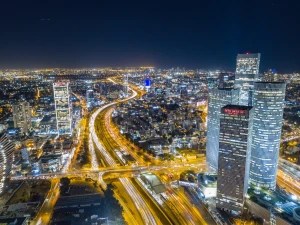
Tel Aviv ranked highest for job opportunities, the share of schoolchildren earning matriculation certificates, and access to computers, but scored poorly on home prices and rents, work-life balance, neighborhood security, and water quality, according to Globes.
The metropolitan city is known for its nightlife and beaches, but has consistently ranked among the world’s most expensive cities for housing. Tel Aviv also recorded the highest share of residents spending 30% or more of their income on housing (46.4%, compared with the average 29.5%) and reported low levels of trust in government.
The Times of Israel highlighted Petah Tikva as having the lowest share of residents reporting loneliness, depression, and discrimination, and Haifa as having the highest share satisfied with housing costs.
Somewhat surprisingly, given all this data, 96% of Jewish residents in Jerusalem said that they felt satisfied with their lives overall. The percentage of Arab residents who felt the same was lower at 75%, showing a significant gap in experience, but despite all the strikes against the city, it seems the vast majority of Jerusalemites, both Jews and Arabs, still enjoy their lives in Israel’s capital.
You might also like to read this: