Powerful winter storm batters Israel, bringing heavy rain, flooding and snow, with more to come







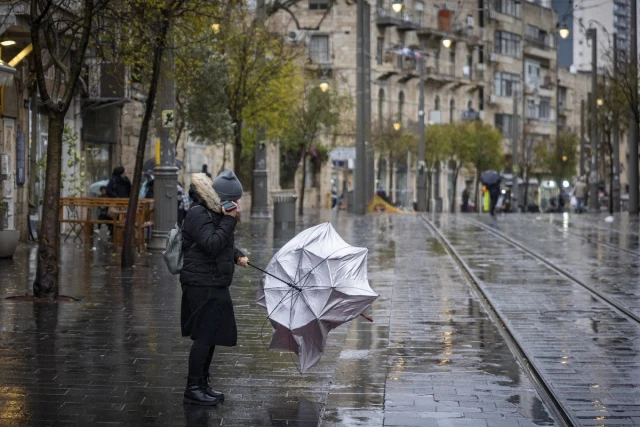
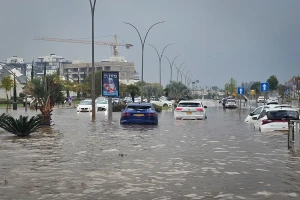
Israel faced a powerful winter storm on Sunday, bringing heavy rains across the country from the Galilee in the north to the northern Negev in the south. Snowfall was expected in the Mount Hermon region. The storm was forecast to peak on Monday, with flooding expected in several areas, including central Israel, the Judean Desert, and riverbeds in the southern Dead Sea region.
Firefighters in the southern district rescued a family with a child who were trapped in their vehicle on Route 80 due to extreme flooding. The family was evacuated for medical examination and appeared to be in good condition.
“Do not enter flooded roads. This is a real danger to life,” Fire and Rescue Services urged the public.
Israeli weather authorities forecast 25 to 35 mm (1 to 1.3 in) of rainfall in Jerusalem and Beersheva. Tel Aviv and Ashdod were expected to receive between 15 and 25 mm (0.6 to 1 in), while the northern coastal region around Haifa was forecast to see between 5 and 15 mm (up to 1 inch). The highest rainfall was recorded in the Druze town of Majdal Shams in the Golan Heights, which received 61 mm (2.4 in). Israel receives most of its irregular annual rainfall during the short winter season.
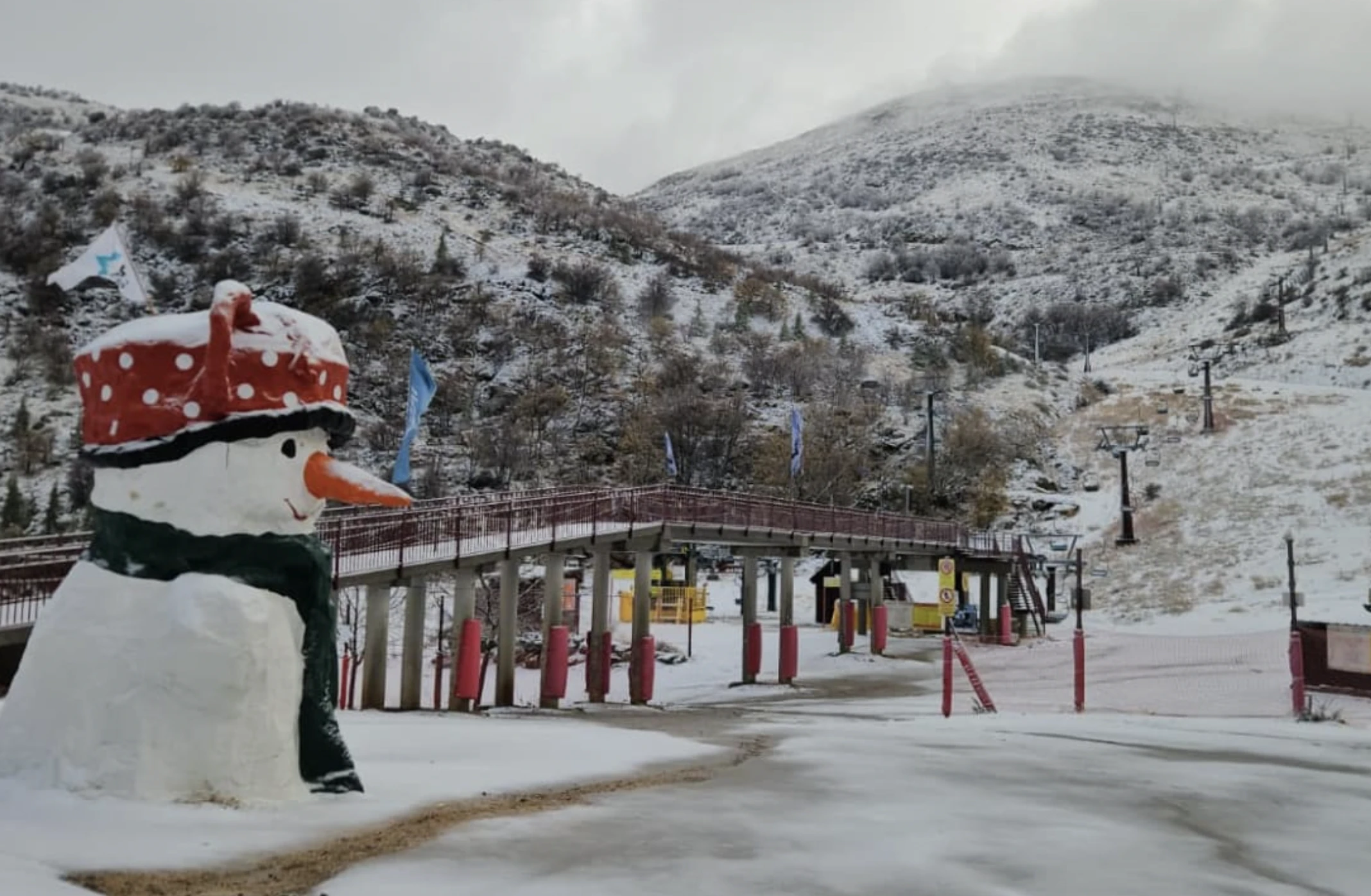
The winter storm was also expected to bring a drop in temperatures, with the lowest readings in northern Israel and Jerusalem.
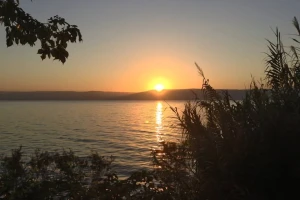
Israel’s Water Authority noted that, despite the heavy rainfall, the Sea of Galilee’s water level rose by only one cm (0.4 in) during the past 25 hours. The lake’s water level remains 41.5 cm (over 16 in) below the lower red line and 4.62 meters (more than 15 ft) below its maximum water capacity. In comparison, the water level stood 2.06 meters (more than 15 ft) higher in December 2024.
The Sea of Galilee, or Lake Kinneret, which features prominently in biblical accounts of Jesus, is Israel’s most important natural freshwater reservoir. In November, Israel became the first country in the world to pump desalinated water into the lake in an effort to reverse its declining water levels. If successful, the initiative could serve as a model for other regions facing irregular and generally insufficient rainfall throughout much of the year.
Local authorities expressed concern about potential urban flooding, as another round of severe winter weather is expected on Thursday.
Earlier this month, Storm Byron slammed Israel with heavy rains and caused flooding across the country. At the time, many locations across Israel received over 10 cm (nearly 4 in) of rain.
You might also like to read this: