Inside UK media coverage of Israel: CAMERA UK highlights distortions, bias and omissions


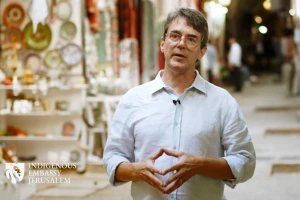
In a wide-ranging interview with Christian journalist Paul Calvert, Adam Levick, the managing editor of CAMERA UK, explains how major British media outlets are covering Israel, arguing that recurring patterns of distortion, omission, and ideological framing are shaping public understanding of the current war, Operation Roaring Lion, and of antisemitism itself.
CAMERA UK is a media monitoring and research organization focused on promoting what it views as fair, accurate and balanced coverage of Israel in the British media. It challenges reporting that it considers inaccurate or biased and engages with journalists and editors to correct misleading claims about Israel.
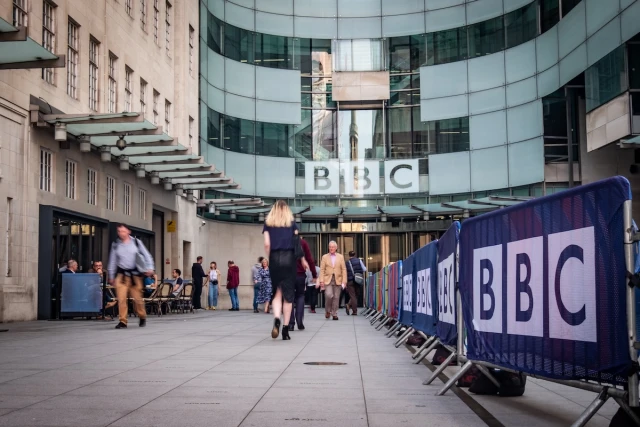
Drawing on examples from various news outlets, including The Times, The Guardian and the BBC, Levick asserts that some of the most serious journalistic failures have come not from fringe voices but from respected platforms that help normalize false or extremist narratives.
One of Levick's strongest criticisms focuses on reporting about acts of sexual violence by Hamas on and after the Oct. 7 terror attack in southern Israel.
“I mean, typically, the rape denial narrative is promoted by pro-Palestinian extremists. But this was, you know, this is obviously a mainstream outlet that, you know, isn't even usually as bad as outlets like The Guardian or the BBC.”
He pointed to a case in which women’s rights representative Ruth Halperin- Kaddari, who had been interviewed by The Times, objected to how her comments had been handled.
“And after the article was published, she publicly condemned The Times and the co-authors of the piece for misquoting her, for taking her words out of context, in order to advance the desired narrative. The narrative being that, you know, questions remain over whether or not Hamas used rape as a weapon of war.”
Levick argues that these problems are not isolated mistakes but part of a broader mindset affecting coverage of Israel and antisemitic violence.
Referring to reporting on attacks connected to anti-Zionist activism, he explains, “This is one of the problems with coverage of antisemitic attacks that are motivated by anti-Zionist extremism – is that, very often, journalists go out of their way to give the pro-Palestinian movement a pass.”
In his view, that same reluctance to confront ideological extremism also appears in media coverage of terrorist attacks in Australia, in reporting that minimizes Hamas’ violent actions in Gaza, and in other outlandish types of stories that amplify conspiracy claims, such as linking Jeffrey Epstein to Mossad without solid evidence.
Levick told Calvert that many journalists fail to acknowledge the nature of the anti-Zionist movement itself. As he puts it, “There's this general inability of mainstream media journalists to wrap their mind around the fact that the anti-Zionist movement is a hate movement, that those who wish for the destruction of Israel are by nature anti-Jewish, and that it results in attacks on Jews.”
For Levick, the media response immediately after the massacre remains especially revealing.
“Even I was shocked on October 8th and October 9th and October 10th, by the degree to which the mainstream media in the UK and elsewhere immediately pivoted from the worst anti-Semitic massacre since the Holocaust to Israel's, ‘quote-unquote,’ disproportionate attack.”
The full interview offers a detailed and insightful look at why Levick believes media accountability matters deeply in a time of war, propaganda, and moral confusion, especially in coverage of Israel. He encourages the public to examine how narratives are shaped and why scrutiny of reporting is more important than ever.
Click below to listen to the full interview.
You might also like to read this: