Hezbollah condemns expulsion of Iranian ambassador, clashes with Lebanese FM


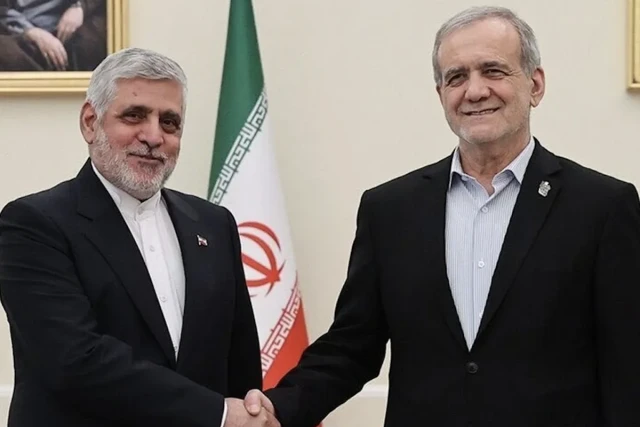
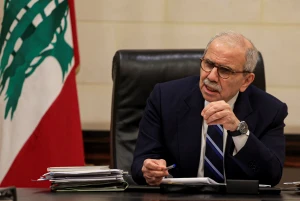
The Iran-backed terrorist militia Hezbollah is at odds with Lebanese Foreign Minister Youssef Raggi's decision to expel Iranian ambassador Mohammad Reza Sheibani from the country earlier this week. The Lebanese government has condemned Tehran’s influence in the country through its proxy, Hezbollah.
Hezbollah blasted Beirut’s decision to expel Sheibani from Lebanon, announcing, “A reckless and humiliating step. It does not serve Lebanon’s supreme national interests, its sovereignty, or its national unity.”
“This is a clear submission to external pressures and dictates. The foreign minister has chosen to align himself with a position that, through his words and actions, serves only the enemy,” Hezbollah continued, referring to Israel and the United States.
The terror group argued that Raggi is weakening Lebanon and that he is “pushing for further concessions to the enemy and paving the way for placing Lebanon under American-Israeli tutelage.”
However, Hezbollah did not address the position of the Lebanese government and segments of the population who oppose what they describe as Iranian influence in the country, including through Hezbollah.
Hezbollah leaders said the decision to expel Sheibani was “a major national and strategic mistake” and insisted it places Lebanon on “a highly dangerous path of dependency, weakness and vulnerability.”
Raggi is no stranger to clashes with the powerful Tehran-backed Hezbollah proxy. Last March, he accused Hezbollah of provoking Israeli military strikes with its aggression toward Israel and unwillingness to disarm as stipulated in the 2024 U.S.-brokered ceasefire.
“The one who gives the excuse to Israel is not the foreign minister or the state of Lebanon, but the one who clings to his weapon and divides roles between himself and Israel,” the Lebanese Foreign Ministry stated, referring to Hezbollah.
Raggi is part of the new Lebanese government led by President Joseph Aoun and Prime Minister Nawaf Salam, who both oppose the Iranian regime’s influence in Lebanon.
Last November, Raggi clashed with Iranian Foreign Minister Abbas Araghchi on social media.
“Dear Iranian Foreign Minister Abbas Araghchi, I was truly inclined to believe your claim that Iran does not interfere in Lebanon’s internal affairs – until your supreme leader’s adviser appeared to tell us what really matters in Lebanon and warned us of the consequences of disarming Hezbollah,” he wrote on 𝕏 at the time.
His remark was a reference to late Iranian Supreme Leader Ali Khamenei, who, at the time, was quoted as stating that Hezbollah’s position had become “more important to Lebanon than bread and water.”
After Hezbollah joined the Iran war by attacking Israel earlier this month, Lebanon announced that it would outlaw Hezbollah’s military activity, accusing the terror group of dragging the country into a war with Israel.
“Regardless of who is behind it, the rocket fire from southern Lebanon is an irresponsible and suspicious act that jeopardizes Lebanon's security and safety and provides Israel with pretexts to continue its aggression,” Lebanese Prime Minister Nawaf Salam posted on 𝕏.
“We will not allow the country to be dragged into new adventures, and we will take all necessary measures to apprehend the perpetrators and protect the Lebanese people,” he added.
The Lebanese Foreign Ministry attempted to lower the tensions by stressing it had not severed relations with Iran.
“Revoking the Iranian ambassador’s approval does not constitute a severing of diplomatic relations with Iran and resulted from his violation of diplomatic norms and obligations. He made statements that interfered in our internal politics and government decisions.”
You might also like to read this: