Trump’s delayed learning curve


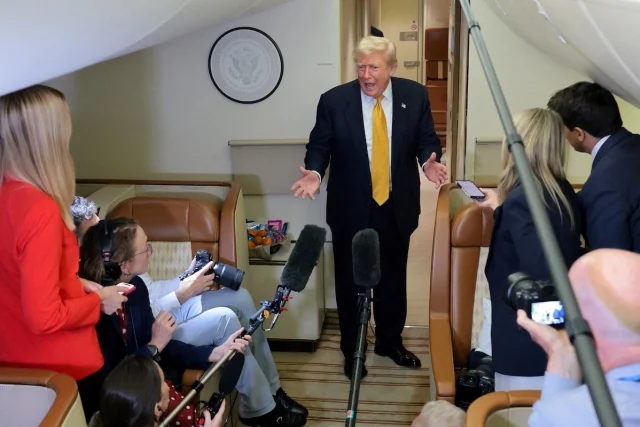
What so many of us saw months and months ago, has finally become reality for Trump, who now admits that Iran’s leaders are “liars, cheats and sick people.”
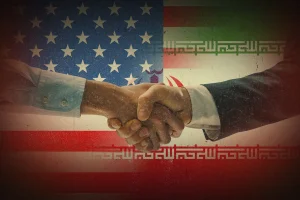
He now concludes that the negotiations between Iran and the U.S., always described as going “very well” are now over.
What should have been an obvious learning curve, based on past experience with the Iranians, became a lengthy exercise in second, third, fourth and fifth undeserved chances, given to a regime that never had any intention of falling in line and following the plan put forth by the U.S. administration.
Instead, they reverted back to their default position of playing the long game by buying more time without ever committing to anything. In this case, they bought themselves nearly an extra four months since Trump’s first March 21 deadline, when he gave them a 48-hour ultimatum to open the Strait of Hormuz.
But rather than strike them militarily, more extensions were granted, as he repeatedly told us all, how desperate they were to come to an agreement. The learning curve ended up taking a great deal of time before Trump became fed up, finally realizing that he was being played by world-class tacticians and strategists who took advantage of a golden opportunity to hoodwink a staunch believer in peaceful negotiations.
How does one continue to believe peace can be achieved after the slaughter of 30-40,000 Iranian citizens has taken place? Who thinks that cold-blooded killers are capable of honoring their word?
Nonetheless, Trump acts surprised, almost bewildered that these same people who agree to a deal, immediately deny it or walk away from their commitments. That’s the learning curve which missed the deliberate strategy, designed “for domestic optics, maximum leverage and navigating internal regime factions., creating a ‘fog of peace’ where both sides spin narratives.”
Nearly every week, we were hearing that a deal was imminent – even within a 24-hour period. One such report came from Reuters on June 13th, when it was disclosed by the White House that a deal would be coming within the next day, causing Trump to cancel planned strikes.
And that’s how it kept going ever since a decision was made by the U.S. that war was not going to be their chosen path. Regrettably, it took these four months for the Trump administration to figure out that not only was progress NOT being made but commercial vessels, seeking to go through the Strait of Hormuz were still unable to do so.
Was it all as simple as stated in the July 9 Jerusalem Post op-ed, claiming to be “good for oil markets, bad for Israel, sufficient for shipping in the Strait of Hormuz, useful for Lebanon or convenient for a White House that wanted the war to end?”
But that all stopped on Tuesday morning when Iran attacked a Qatari vessel with natural gas and two other ships from Saudi Arabia and Liberia. In response, the U.S. launched strikes against Iran for violating the ceasefire.
Now, the Strait is, once again, closed. But did anyone really believe that ships would be given free access to this international waterway? Only those who believed the lies of the IRGC.
One of the most effective ways to speed up the learning process, is to gain valuable insight from mentors whose practical experience can fill in the missing blanks, but that only happens when one is willing to admit they don’t have all the answers.
That is where Trump failed. By thinking he knew better than those familiar with the mindset of the Middle East, he wasted four months, naively believing that a leopard can change its spots. Even his best negotiators and most enticing offers didn’t move the needle at all.
Mosab Hassan Yousef, known as Son of Hamas, could have gotten him up to speed in record time. Coming from the world that made terrorism an art form, Mosab has always known that the only way to win is through the use of force and not at the negotiating table.
In an X post, he called the deal between Iran and the U.S. blackmail. He said, “After a humiliating strategic failure, the US is now preparing to release $6 billion in frozen Iranian funds, because Iran is threatening to close the Strait of Hormuz. This is what ‘sinning’ looks like. Paying ransom to the regime you just failed to defeat. The humiliation is complete.”
In another post, he said, “The revolution is dead. The protesters have been forgotten. We replaced one Ayatollah with IRGC hardliners, lost our leverage and they are now closer to the bomb than ever while still controlling the Strait of Hormoz. This is the result of underestimating the enemy, poor prioritization and going to war on a schedule. Decision makers should admit this strategic failure instead of trying to convince the public they are winning.”
It’s unlikely that Trump will turn to someone like Mosab, at this point, because the last thing that the administration wants is to be perceived as having been wrong by falsely thinking they could make a deal with evil men who needed to be eliminated from the start rather than considered as reasonable peace partners.
The Iranian learning curve has proven to be beyond the understanding of Westerners and best left to those who know their strategies and can utterly defeat them, since they’re also familiar with their weaknesses.
Sadly, these four extra months have probably brought the enemy one step closer to achieving their nuclear goal, despite everyone being told that the needed materials are buried so deep underground that no one can access them.
In the meantime, Israel has paid the price for the four-month delay by having to put their own military strategies on hold, per Trump’s demand. We have lost respect in the eyes of other nations who have been told that “we know who the boss is.”
Most of all, we have surrendered our sovereignty to an American administration that is too entrenched in obtaining an impossible peace deal that no one can achieve. In their great quest to declare the end of conflict in the Middle East, they forgot that this is a war that can never end until one side no longer exists.
What they still don’t get is that side won’t be us. Sadly, that’s part of the learning curve that he has yet to get right
You might also like to read this: