US reportedly prepares for extended military operations against Iran




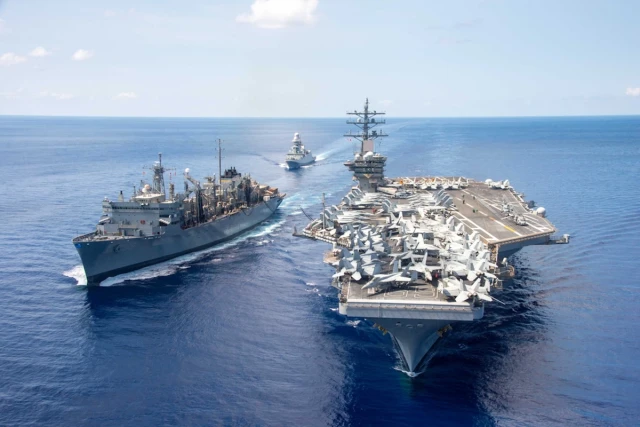
The United States has directed its military forces in the Middle East to prepare for potentially extended operations against Iran, positioning them for action should President Donald Trump order strikes on the Islamic Republic.
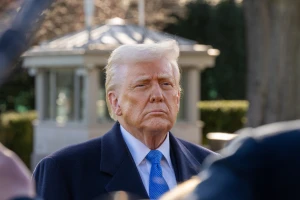
It remains unclear whether Trump will pursue a diplomatic solution or move toward military action against the Iranian regime. Speaking to U.S. forces at a base in North Carolina on Friday, Trump said it has "been difficult to make a deal."
"Sometimes you have to have fear. That's the only thing that really will get the situation taken care of," Trump told the U.S. troops.
White House Spokesperson Anna Kelly addressed the issue of a potentially sustained U.S. military operation against Iran, saying, "President Trump has all options on the table with regard to Iran."
"He listens to a variety of perspectives on any given issue, but makes the final decision based on what is best for our country and national security," she said.
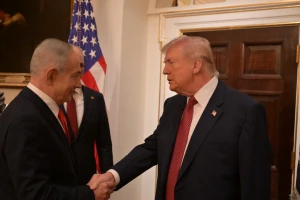
The U.S. military is reportedly getting ready for military action against Iran that could be far more extensive than previously assessed, however, Trump recently told Israeli Prime Minister Benjamin Netanyahu that he still prefers a negotiated solution with the ayatollah regime.
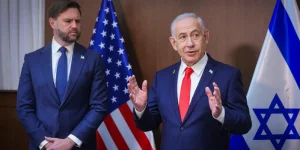
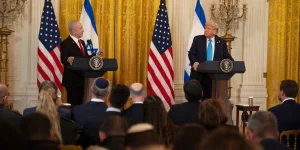
“I have just finished meeting with Prime Minister Netanyahu, of Israel, and various of his Representatives,” Trump wrote on his social media platform Truth Social. He added, “There was nothing definitive reached other than I insisted that negotiations with Iran continue to see whether or not a Deal can be consummated.”
“If it can, I let the Prime Minister know that that will be a preference. If it cannot, we will just have to see what the outcome will be,” the president wrote without elaborating.
It remains unclear whether Trump intends to continue pursuing negotiations or whether diplomatic efforts could precede potential military action, as occurred prior to Israel’s large-scale strike on Iran’s missile, military and nuclear facilities in June 2025, known as Operation Rising Lion.
The United States later joined the conflict in Operation Midnight Hammer, during which U.S. bombers struck Iran’s nuclear sites at Fordo, Isfahan and Natanz. According to Pentagon estimates, the combined U.S. and Israeli strikes set back Iran’s nuclear program by at least one to two years. Trump has said that Iran’s nuclear weapons program was “obliterated.”
Some pundits who advocate a diplomatic solution have suggested that Trump is using the growing U.S. military presence in the Middle East as leverage in the negotiations with the regime.
Senior U.S. and Iranian regime officials met in Oman in an effort to find a diplomatic solution to the standoff.
Iran’s leadership has so far declined to halt uranium enrichment, limit its ballistic missile program, or end its financial and military support for regional armed groups, including Hezbollah in Lebanon, the Houthis in Yemen, and Hamas.
Israeli officials have expressed concern that any negotiations with Iran may not address the country’s extensive missile arsenal, which Israel has described as a significant security threat.
Israel has reportedly informed the U.S. that it could take unilateral military action against Iran if other efforts fail to address what it views as a growing security threat.
You might also like to read this: