Since 1980, Trump has been sounding the alarm on Iran

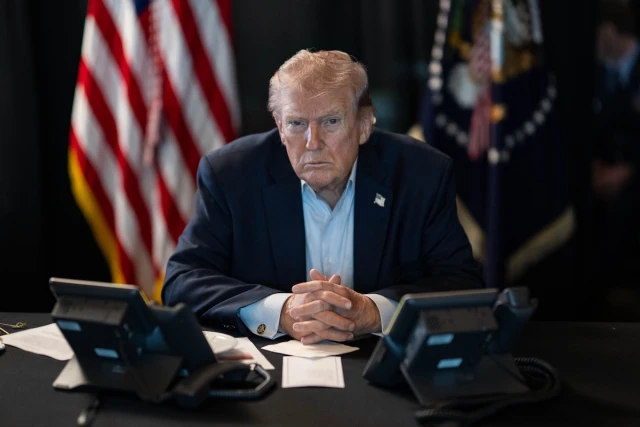
It should come as no surprise that President Trump gave the go-ahead this past weekend to unleash the fury of America’s military might against Iran. Despite grumblings from a vocal minority of his MAGA base that the president was not adhering to what he campaigned on regarding foreign policy doctrine, Trump has been extremely consistent.
In 1980, a 34-year-old Donald Trump gave an interview to ABC News and called the ongoing Iranian hostage crisis "totally ridiculous,” and when asked by interviewer Rona Barrett whether the U.S. should have sent troops to rescue the hostages, he didn’t hedge: “I absolutely feel that, yes. … I think right now we’d be an oil-rich nation, and I believe that we should have done it, and I’m very disappointed that we didn’t do it.”
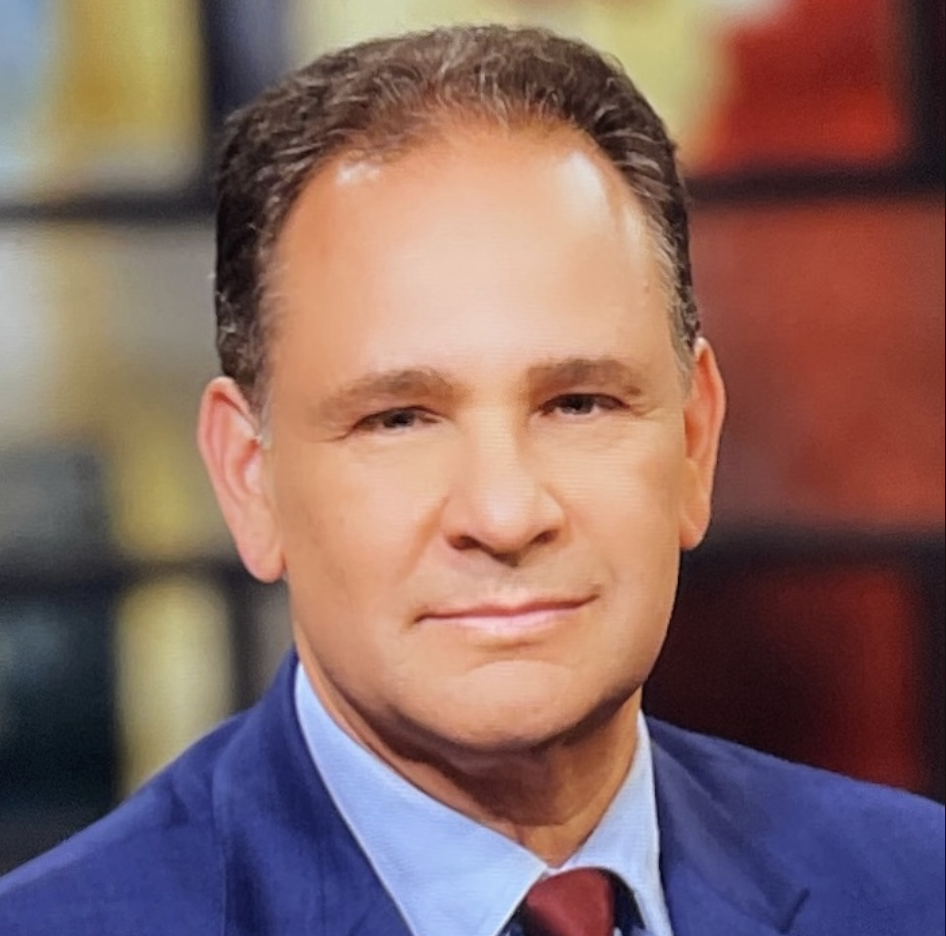
“Trump has long been consistent on the threat Iran poses to the US and the West,” CNN Analyst Scott Jennings told ALL ISRAEL NEWS. “He has never wavered on it. Not one time. The vast majority of Republicans trust the commander in chief and they ought to, as his instincts and operational management of foreign policy and military affairs has been nothing short of brilliant.”
Jennings is correct. Fast forward to his 2016 presidential run. The Trump campaign at the time stated clearly that Iran cannot be allowed to have a nuclear weapon. As president during his first term, he continually explained that Iran’s pursuit of nuclear capabilities and support for terror networks was unacceptable, and that the U.S. wouldn’t tolerate it.
In the 2024 campaign for president, Trump kept the same theme: he criticized Iran’s nuclear ambitions, underscored the threat it poses to U.S. security, and repeatedly said diplomacy was always his first preference, not war. But he also warned that peace through weakness has never worked and that if Iran refuses a deal, strength and pressure would be the fallback.
Yet despite consistency on the issue, some within MAGA are very angry. Tucker Carlson called the president’s decision on Iran “disgusting and evil.” Former Congresswoman Marjorie Taylor Greene went on an epic rant on social media, writing, “I did not campaign for this. I did not donate money for this...This is not what we thought MAGA was supposed to be. Shame!”
However, Greene, Carlson and other loud and influential voices on the right don’t represent the main pulse of MAGA. It’s estimated that this “America Only” crowd makes up possibly 25% or so of the MAGA base. They want to be pretty much disengaged from international conflicts and have a strong resistance to overseas military involvement.
While the majority of the MAGA base does believe the U.S. should focus more on domestic problems, they also think the United States should engage overseas when American interests and lives are directly threatened. Trump fits neatly in that same camp: America First but not America Only. “President Trump has shown in both Operation Midnight Hammer and the extraction of Maduro that he can achieve US national security objectives in an America First way,” former White House Secretary Sean Spicer told ALL ISRAEL NEWS.
This has been part of Trump’s trademark approach and rhetoric as commander in chief. And he’s been very consistent with both. He doesn’t start with boots on the ground and endless occupation – he starts with negotiation and deals. Then he pairs that with an overwhelming deterrent force if diplomacy fails. It’s a framework he’s articulated repeatedly: “talk first, defend second, and crush only if necessary.” That’s true whether it’s the Middle East, China, tariffs, or trade policy in general.
Speaking of trade, Trump’s consistency in that area is equally noteworthy. Long before he became president, he criticized unfair trade deals and the loss of manufacturing jobs throughout the 1980s and 1990s. In the late ’80s, he warned about trade imbalances with Japan and questioned the way other countries treated American producers.
He stuck with that theme during the 2016, 2020, and 2024 election cycles – advocating tariffs, fair trade, and economic leverage as tools to put America first. That continuity – from Manhattan real-estate mogul to Oval Office is well-documented. One thing about Trump: he’s pretty consistent.
The loud minority inside MAGA think the president’s actions will lead to exactly what Trump promised he would not partake in: that is, “forever wars.” Trump has always said he wanted to avoid endless entanglements – and he has consistently advocated against ground invasions or lingering deployments. But he’s also repeatedly said that if negotiation and pressure don’t work, America cannot stand idly by while a hostile power develops nuclear weapons or sponsors terror. That’s not inconsistent; that’s a peace through strength approach.
You also see this same pattern in how he approaches global leadership: he pushes for peace but prepares for conflict and then seeks the best possible outcome short of open, drawn-out occupation. That was true with North Korea in his first term, true in discussions about the Middle East, and true in his posture toward trade deals and tariffs. It’s remarkably consistent with an underlying theme: don’t be passive. Engage, negotiate, and if that fails, apply overwhelming American strength with a clear, narrow objective and an exit plan.
In the case of Iran, it goes without saying that any military engagement carries danger, and if a conflict drags into a protracted quagmire, Trump will have to deal with the consequences of his actions. But at least the action didn’t come out of the blue: it’s what Trump has believed and how he’s operated all along.
In the end, the record starting in 1980 through today's events with Iran shows a consistent throughline: Trump prioritizes negotiation and peace first, but also has shown he is willing to use forceful deterrence when diplomacy reaches its limits. That consistency in style – whether it’s Iran, trade, or broader foreign policy – is authentic as can be and classic Trump.
You might also like to read this: