








Israel-Hezbollah ceasefire tested as rocket fire prompts Israeli response
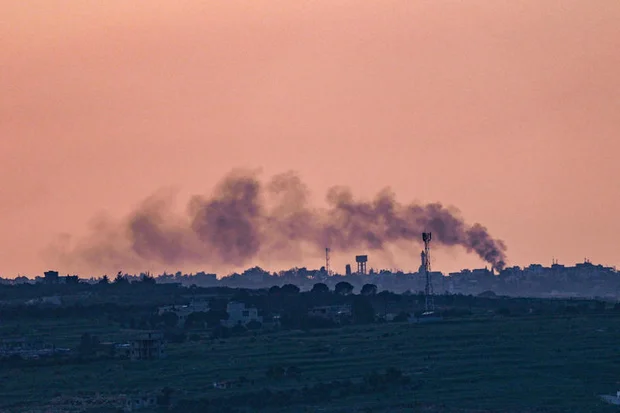
The ceasefire between Israel and Hezbollah came under renewed strain over the weekend as the Lebanese militant group fired dozens of rockets and drones at Israeli targets, prompting Prime Minister Benjamin Netanyahu to order the IDF to “strike Hezbollah targets in Lebanon by force.”
“The Hezbollah terror organization has again blatantly violated the ceasefire agreement,” the military said in a statement, as field reports indicated the group fired several barrages on Saturday morning, causing no casualties and only light damage to IDF troops and Galilee communities.
Troops also reported some new developments, including the use by Hezbollah of small first-person view (FPV) drones, sometimes guided by a spool of fiber optic cable, making them almost impossible to jam.
These tactics and technology were pioneered by Ukrainian forces and have been highly effective in their battle against the Russian army. Now it seems other forces around the world are copying them, including terror militias.
The IDF has also struck Hezbollah with air and artillery fire, with reports over the weekend that several operatives were killed. In a statement, the military detailed several such strikes, saying the Hezbollah fighters it targeted “posed a threat to IDF troops operating in southern Lebanon.” It added that buildings used by Hezbollah for training and logistics were also hit “to remove a threat to IDF soldiers and Israeli civilians.”
Rocket launchers were also struck in the villages of Deir ez-Zahrani, Kfar Reman, and Sammaaiyeh, all north of the IDF-held security zone.
All of this activity followed U.S. President Donald Trump’s announcement Thursday evening that the “ceasefire” in Lebanon had been extended by three weeks. He added that Israel is authorized to carry out strikes in self-defense and in response to immediate threats.
Since the initial ceasefire went into effect on April 17, Hezbollah has fired hundreds of rockets and drones at IDF troops deployed in the security zone in southern Lebanon, with occasional fire also being directed over the border into Israeli territory.
They say they are “responding” to Israeli violations of the ceasefire, while also ignoring the attempts by the internationally recognized government of Lebanon to negotiate a long-term ceasefire with Israel.
For its part, the IDF says it has eliminated at least 30 Hezbollah operatives and struck dozens of targets since April 17, although activity by both sides has been carried out at a noticeably lower pace and intensity.
Meanwhile, diplomats from Israel and Lebanon’s internationally recognized government have continued to meet, mostly in Washington, issuing a steady stream of statements condemning Hezbollah for dragging the country into a war that other factions in the “Land of the Cedars” no longer support.
One unnamed Lebanese official told American journalists this past week that there is “almost no difference” between the future plans of Lebanon and Israel, adding that the two countries are ready to pursue mutually beneficial trade, economic, and diplomatic ties if Hezbollah steps aside.
On Friday, Israeli Prime Minister Benjamin Netanyahu added that “We have begun a process to achieve a historic peace between Israel and Lebanon, and it is clear to us that Hezbollah is trying to sabotage this. We are maintaining full freedom of action against any threat, including emerging threats. We struck yesterday, and we struck today. We are determined to restore security to the residents of the north.”
Popular article:
interview Easter message of resurrection hope amid war at Jerusalem's Garden Tomb

biblical commentary Let my people go: a Passover message for today
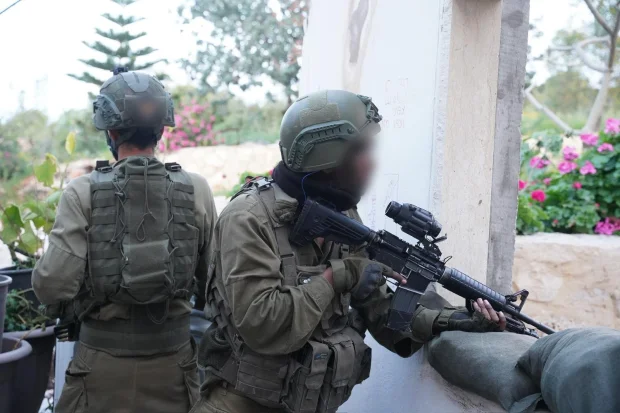
4 IDF soldiers killed, 2 wounded in fighting in southern Lebanon, as Israel eliminates dozens of Hezbollah terrorists

Receive latest news & updates
A message from All Israel News
Help us educate Christians on a daily basis about what is happening in Israel & the Middle East and why it matters.
For as little as $10, you can support ALL ISRAEL NEWS, a non-profit media organization that is supported by readers like you.
Latest articles:
North American Jewish organizations to recruit 100 professionals to combat antisemitism

‘No need’ for pre-election Iran strike, IDF chief says as gov’t, opposition trade blame for potential escalation – report
terror attack 2 Israeli soldiers killed, 2 terrorists eliminated in Hebron shooting; IDF says much larger attack was prevented
analysis A people dwelling securely? Israel’s strategic standing, 3 years after Oct 7
Hamas on wheels: What I found in Dearborn reveals a troubling history and a battle over Israel