IDF units still rely on private donations for equipment 3 years into war – report



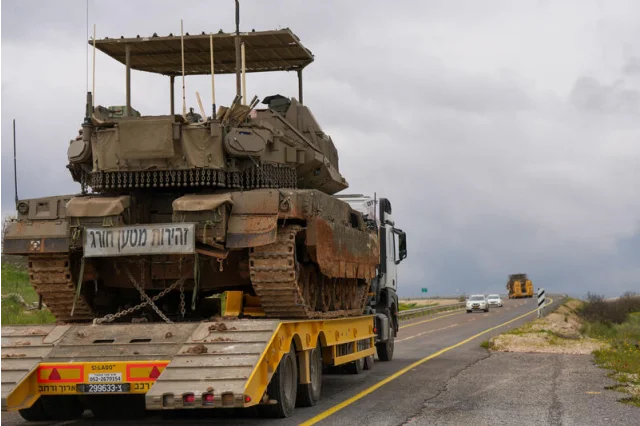
As the third anniversary of the Oct. 7, 2023, Hamas massacre approaches, the Association for Israel’s Soldiers said that individual IDF units are still relying on private donations to purchase needed equipment and replace gear damaged in combat or worn out due to use
The Association for Israel’s Soldiers (UFIS), which is authorized to accept and distribute donations to the IDF following its 2016 merger with Friends of Libi, told Ynet News that more than NIS 1.2 billion ($394 million) has been donated to the IDF by Israelis and supporters abroad since the Iron Swords War began.
The funds have been used to supplement the Israeli military's own budgets for ancillary equipment and infrastructure improvements, including equipment for military bases, as well as assistance for individual soldiers and their families. It is unclear whether the figures include private donations made directly to individual soldiers and units through charities and nonprofit organizations in Israel.
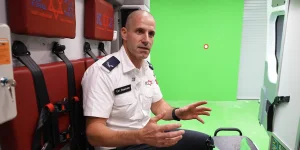
Christian nonprofit organizations, such as The Joshua Fund, FIRM, Vision for Israel, Joseph Project, Bridges for Peace, and others, along with Israeli Messianic Jewish congregations, have also provided support, raising funds for equipment, bomb shelters in communities under rocket fire and emergency medical services, including Magen David Adom.
According to UFIS' breakdown, approximately NIS 134 million ($44 million) was allocated for aid and equipment purchases at the start of the war. Another NIS 64 million (about $21 million) was used to provide assistance vouchers to individual soldiers for purchases including sleeping bags, first-aid kits, groceries and household items for their families. In addition, NIS 104 million (about $34 million) went toward the purchase of 160 ambulances, tens of thousands of winter kits, hygiene products and underwear for male and female combat troops serving on the front lines.
Other donations funded airline tickets for more than 4,000 lone soldiers to visit their families abroad, as well as therapy sessions for soldiers suffering from PTSD and support for families of soldiers killed in combat.
The large outpouring of support for the IDF came in part in response to numerous appeals, many made through social media, from families of soldiers mobilized in the immediate aftermath of the Oct. 7 attack. Some soldiers arrived at their units reporting shortages of ancillary equipment and poor infrastructure at military bases.
Reservists asked friends and family to purchase items ranging from personal hygiene products, headlamps and knee pads to more expensive equipment such as combat helmets, boots and body armor. The IDF maintained that it had adequate supplies of such equipment, while some soldiers argued that the military’s definition of “adequate” did not reflect conditions on the ground.
The Ynet News report included anecdotal accounts indicating that some units and individual soldiers continue to obtain equipment through private fundraising, often using their own social media accounts.
“We organized the uniforms, the shoes, the helmets ourselves,” one reservist said. “Everything came from donations that we collect, and we are continuing to raise money so we can have functioning sights for our weapons or replace old, low-quality operational equipment.”
The continued reliance on donations comes amid a dispute between the Finance and Defense ministries over their budgets for the upcoming fiscal year.
You might also like to read this: